
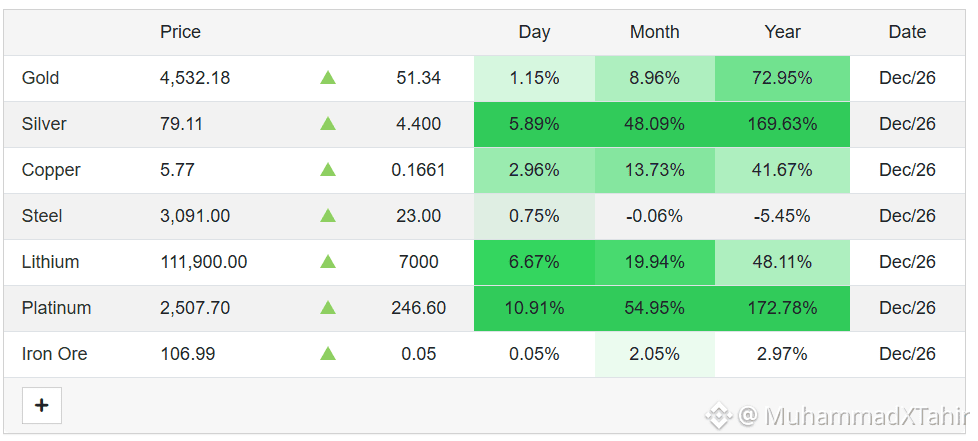
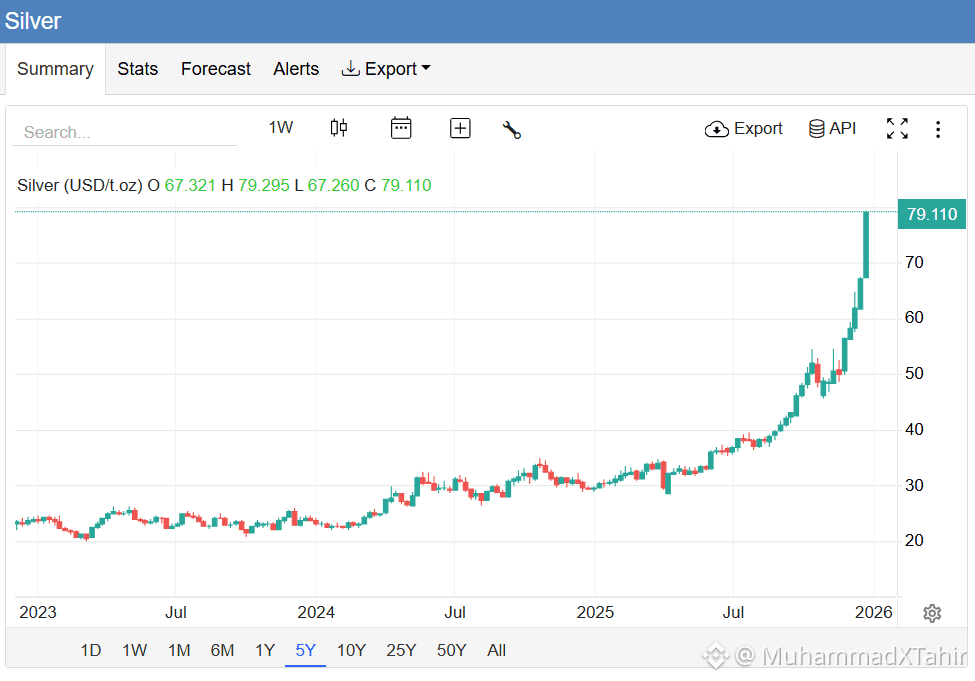
In a year defined by macro uncertainty and shifting monetary policy, silver has emerged as one of the standout performers in global markets. The precious metal recently topped $76 per ounce, a level not seen before, and surged roughly 169% year-to-date.
This price action isn’t random. A blend of geopolitical tensions, expectations of U.S. interest rate cuts, industrial demand strength, and tight supplies has propelled silver into the spotlight both for investors seeking a hedge and for industries depending on the metal’s unique properties. In this post, we’ll break down what’s behind silver’s powerful rally, what it means for investors, and the risks to watch in the months ahead.
1. Geopolitical Risks and Safe-Haven Demand
One of the clearest catalysts for silver’s rally has been escalating geopolitical tensions around the world. Markets hate uncertainty, and when risk rises, whether from military conflicts, oil supply disruptions, or political frictions, investors tend to move capital into safe-haven assets like precious metals.
Silver has benefited alongside gold as protective demand climbed. In late 2025, markets saw heightened geopolitical risks push both metals to fresh highs, reinforcing the narrative that silver isn’t just an industrial metal but also a store of value in turbulent times.
This flight to quality often happens when equities wobble or when global trade threats loom, and for silver, the effect has been amplified due to its smaller market size compared with gold, meaning price moves can be sharper and more pronounced.
2. U.S. Federal Reserve Rate Cuts Boost Appeal
A major backdrop to #silver’s #silver’srise has been expectations of interest rate cuts by the U.S. Federal Reserve in 2026. As markets increasingly priced in Fed easing, the attractiveness of non-yielding assets like silver strengthened. Investing.com
Here’s why that matters:
Lower interest rates reduce the opportunity cost of holding precious metals, which don’t pay interest or dividends.
Bond yields tend to fall, making alternatives like metals and real assets more appealing in portfolio allocations.
A weaker U.S. dollar, often a side effect of rate cuts, makes dollar-priced commodities cheaper for global buyers, supporting demand across regions.
In essence, when investors see looser monetary policy ahead, silver’s profile as both a store of value and an alternative asset rises.
3. Industrial Demand: The Dual Nature of Silver
Unlike gold, which is almost purely an investment and store-of-value asset, silver has massive industrial applications. Its electrical conductivity and reflectivity make it indispensable in:
Solar panels and renewable energy technologies
Electric vehicles and advanced electronics
Data centers and AI infrastructure components
Medical devices and specialty coatings
Industrial demand accounts for a large portion of total silver consumption, and this structural factor helps support prices even when investment flows fluctuate. According to market analysis, the world continues to push into energy transition technologies that consume silver, such as solar photovoltaic panels, reinforcing long-term demand.
This dual character, precious metal and industrial commodity, gives silver a unique investment proposition. It can benefit from both safe-haven flows in stressed markets and real economic growth in technology and green energy sectors.
4. Supply Constraints and Ongoing Deficits
Silver’s supply dynamics also help explain its strong performance. For years, the market has experienced structural supply deficits, meaning demand consistently outpaces mine production and recycled supply.
Several factors contribute to this:
Silver is often a by-product of other mining operations (like copper or lead), so miners don’t ramp up production solely for silver even when prices rise.
Inventories in major trading hubs have been shrinking as physical take-ups rise.
Industrial users often secure long-term contracts, removing metal from the open market.
This imbalance between supply and demand can create tighter markets where small increases in buying pressure result in outsized price moves, especially when speculative and investment inflows are also strong.
5. ETF Inflows and Central Bank Behavior
Another driver behind silver’s momentum has been steady inflows into exchange-traded products (ETPs) that hold silver. These funds are a proxy for institutional and retail investor interest, and their growing assets under management indicates confidence in silver’s price trajectory.
While central banks traditionally focus on gold in reserves, the wider trend of diversifying away from fiat currencies has pushed portfolio managers and sovereign wealth funds to consider precious metals more broadly, including silver.
6. Risks and What to Watch Next
No market rally climbs forever, and silver’s surge comes with inherent risks and volatility:
Silver’s price moves tend to be more volatile than gold due to lower liquidity and higher industrial exposure. Wikipedia
Periods of profit-taking or consolidation often follow sharp rallies, especially around year-end.
Monetary policy can shift quickly if inflation trends change or economic data surprises on the upside.
Industrial demand, while growing, is cyclical and tied to broader global growth.
Understanding these dynamics is crucial for investors. Silver can be a powerful component of a diversified strategy, but it also demands careful risk management, particularly in leveraged or futures trading.
A Historic Rally with Structural Support
Silver’s move above $76 per ounce in late 2025 marks one of the most noteworthy commodity rallies in recent memory. The metal’s blend of industrial relevance and safe-haven appeal, combined with monetary policy expectations and supply tightness, has reshaped market perceptions.
For traders and investors watching 2026, silver remains a compelling market, but one that rewards both strategic patience and a clear understanding of macroeconomic forces. Whether you’re allocating a portion of your portfolio to precious metals or actively trading market swings, silver’s recent performance highlights the importance of staying informed and adaptable in a rapidly evolving economic landscape.
