


—And Less When You’re Winning
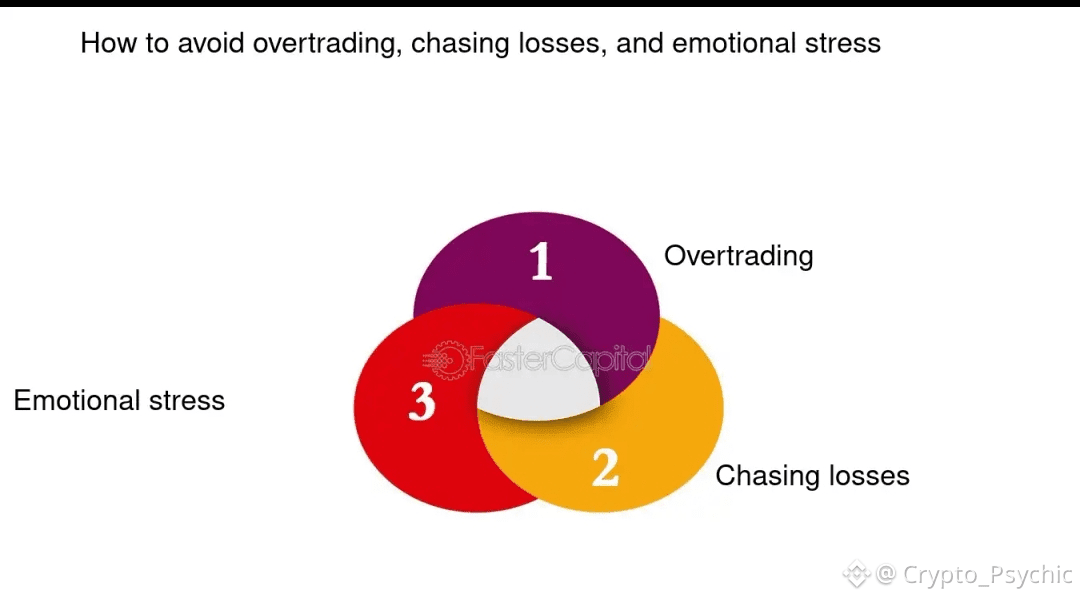
If you look closely at your trading history, you’ll notice a strange pattern:
After losses — you trade more.
After wins — you slow down or disappear.
This isn’t random.
It’s psychological.
Let’s break down why this behavior keeps traders stuck 👇
🔸 1. Losses Trigger Urgency
After a losing trade, your brain panics.
It wants relief.
It wants to “fix” the pain.
It wants to get back to green immediately.
So you trade again — fast.
Not because you see a setup,
but because you want emotional relief.
That urgency destroys objectivity.
🔸 2. Winning Feels Fragile
After a win, you feel exposed.
You think:
“I don’t want to give this back.”
“Better stop while I’m ahead.”
So you hesitate.
You reduce activity.
Ironically, this is the moment you’re often trading best —
but fear of losing gains freezes you.
🔸 3. You Trade to Repair Ego, Not Strategy
Losses hurt your self-image.
So you trade more to prove:
“I’m not bad at this.”
“I can fix this.”
“I just had bad luck.”
This turns trading into emotional repair work —
and that never ends well.
🔸 4. Overtrading After Losses Is a Form of Revenge
Even if you don’t realize it, revenge trading shows up as:
jumping into marginal setups
increasing size
lowering entry standards
trading without waiting
ignoring your plan
You’re not trading the market —
you’re fighting your last result.

🔸 5. This Pattern Creates Inverted Performance
Your best decision-making happens when you’re calm.
But your highest activity happens when you’re emotional.
That’s the worst possible combination.
You trade most when you should trade least,
and least when you should trade most.
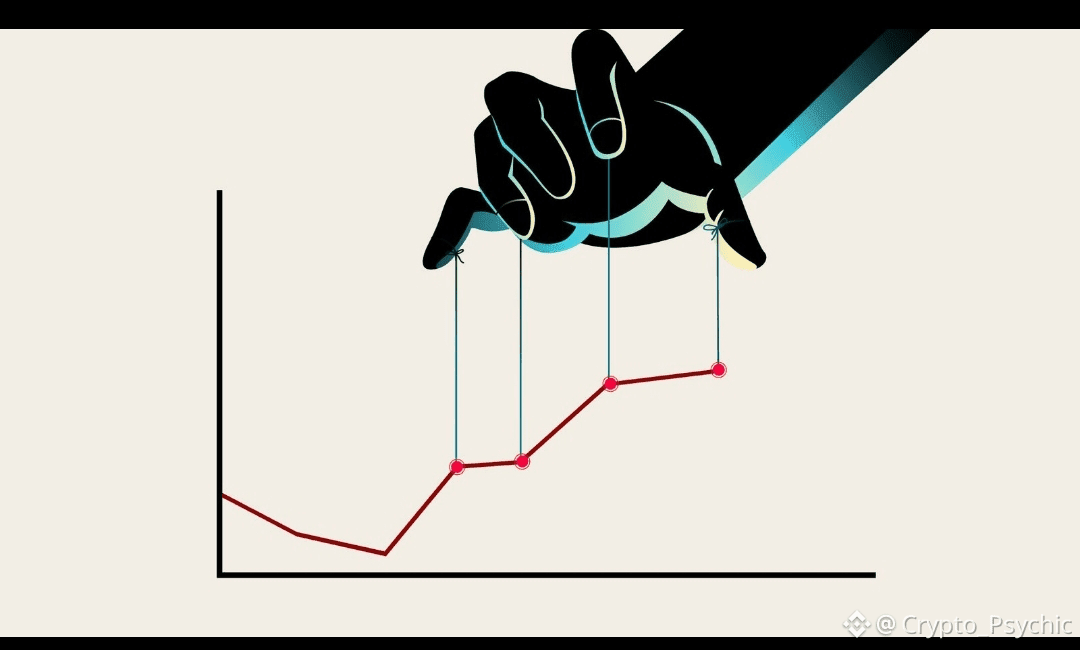
🔸 6. The Market Exploits Emotional Timing
Markets thrive on emotional behavior.
When traders feel urgency,
they enter late.
When traders feel fear,
they exit early.
Your emotional timing gives the market liquidity —
not profit.
So How Do You Fix This Pattern?
Here’s the professional approach:
✔ 1. Force a break after losses
One loss → step away.
No exceptions.
✔ 2. Trade smaller after losing
Smaller size = calmer decisions.
✔ 3. Predefine max trades per session
This prevents emotional spirals.
✔ 4. Journal what triggered your urgency
You’ll see patterns immediately.
✔ 5. Treat every trade as independent
Your last result has nothing to do with the next setup.
A Question That Reveals Everything
If you reversed your behavior…
Trade less after losses and more after wins…
Would your results improve?
Most traders already know the answer.
Control your emotions,
and your execution will follow.
Educational content. Not financial advice.