
2025 was a monumental year for #bitcoin . From the very start of the year, #BTC was not just moving on price charts, but shifting narratives about what a digital asset could mean for mainstream and institutional finance. The year kicked off with renewed investor optimism as Bitcoin steadily climbed and early volatility gave way to broader participation beyond retail traders.
One of Bitcoin’s biggest stories of the year was institutional engagement and ETF participation. Spot Bitcoin exchange-traded funds (ETFs), particularly in the United States, became a major driver of demand. Throughout 2025, these ETFs attracted massive institutional capital, with inflows estimated in the tens of billions of dollars. BlackRock’s iShares Bitcoin Trust (IBIT) led many of these flows, becoming one of the largest holders and liquidity providers in the space. Overall, net ETF inflows added significant buying pressure, pushing Bitcoin into broader financial portfolios and cementing its role as a bridge between traditional finance and digital assets.
The flows were not just institutional. In early October, Bitcoin recorded a record week of institutional net inflows — about $3.55 billion — highlighting unprecedented confidence from large investors. This influx helped fuel major price momentum later in the year and showed that digital asset markets were no longer confined to small niche corners of financial speculation.
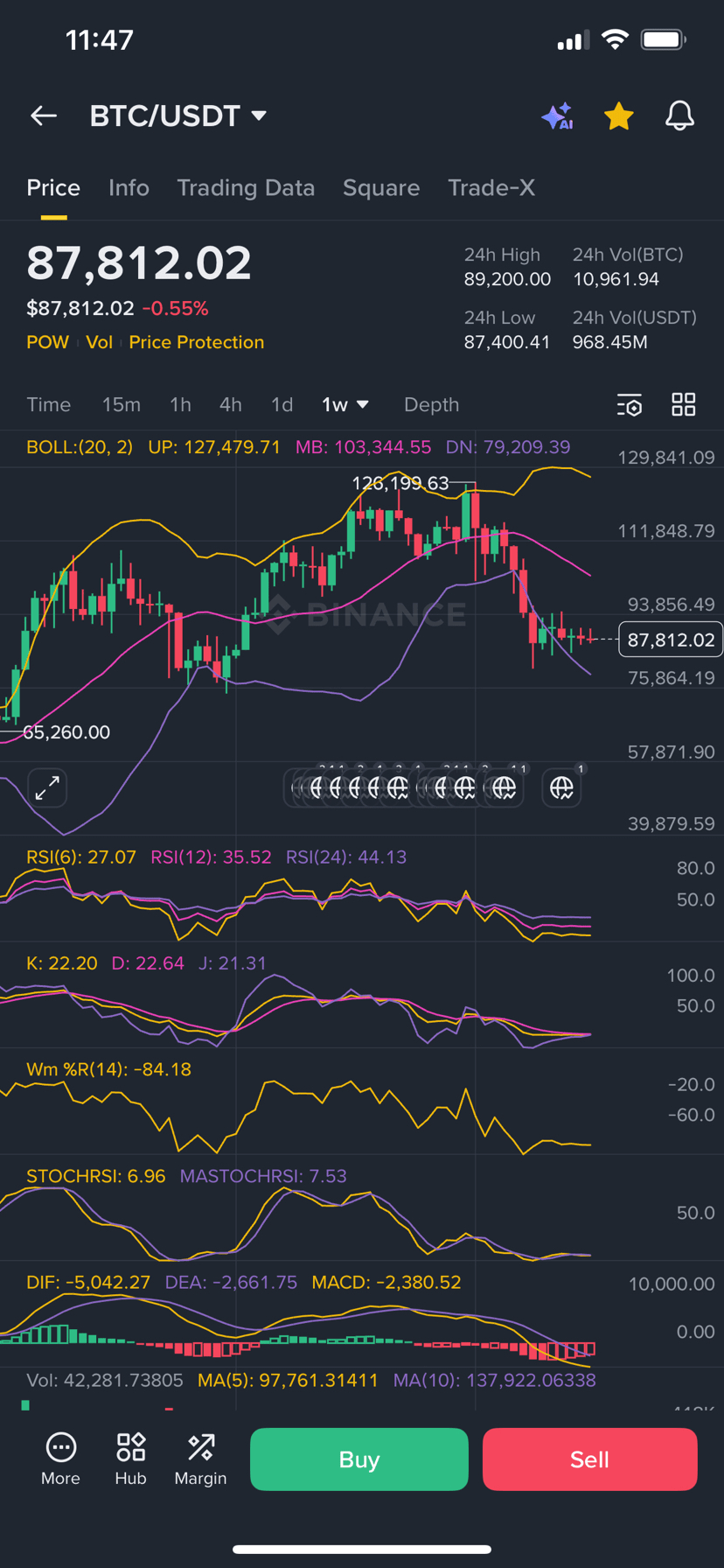
Price action in 2025 was dramatic and narrative-rich. Bitcoin reached a new all-time high above $126,000, smashing previous records and catching the attention of global markets. This #ATH reflected sustained buying, macroeconomic influences like weakening fiat currencies, and a growing narrative of Bitcoin as a store of value alongside traditional assets.
Yet the path was not without turbulence. After the October highs, the market experienced sharp corrections, with Bitcoin prices falling into the $80,000 range at one point amid broader crypto market sell-offs, forced liquidations, and large outflows from some ETFs. This price swing reminded everyone that digital markets can still be volatile and sentiment-driven despite increasing maturity.
On the supply side, one of the most interesting fundamental developments was accumulation by long-term holders and corporations. Analysis throughout the year showed that institutional demand outpaced new Bitcoin supply by more than 6 times, an imbalance that historically supports upward price pressure. Large corporate treasuries and institutional wallets absorbed significant portions of newly mined Bitcoin, tightening exchange liquidity and building a stronger support floor for BTC.
2025 also saw important policy and macroeconomic narratives around Bitcoin. The U.S. government moved toward establishing a strategic Bitcoin reserve, positioning Bitcoin not just as a speculative asset but as a potential component of national financial infrastructure and strategic holdings. This shift in narrative — from fringe to structural asset — resonated across markets and contributed to broader institutional involvement.
Beyond price and inflows, Bitcoin’s broader ecosystem matured. Daily trading volumes remained substantial, whale activity and accumulation off exchanges increased, and market participants from family offices to pension funds began exploring Bitcoin assignments in their portfolios. Surveys across the year even showed widespread sentiment among crypto communities that Bitcoin could continue surpassing record levels — a testament to renewed belief in BTC’s long-term value.
In volume terms, Bitcoin products and ETFs regularly hit record weekly trading volumes, with peaks demonstrating capital interest well beyond previous years. These were not just one-off spikes — they represented a structural shift in how capital flows into and out of digital asset markets. Bitcoin’s narrative in 2025 became one of sophistication, depth, and increasingly serious participation.
Looking Toward 2026 — What’s Next for Bitcoin?
As we step into 2026, the horizon for Bitcoin is filled with both exciting opportunities and real challenges. One of the biggest milestones on the radar is broader institutional adoption beyond ETFs. Many analysts expect sovereign wealth funds, pension plans, and corporate treasury strategies to increase Bitcoin allocations, further embedding BTC into global finance.
However, challenges remain. Market volatility continues to test investor confidence, and regulatory landscapes around the world are still evolving. Clear, supportive regulation could unlock even more participation, but uncertainty in some regions may slow institutional appetite.
Another important factor will be the supply dynamics and halving cycle expectations. While institutional demand has outpaced supply, future halvings — when Bitcoin’s minting rate slows — could tighten available supply even further and potentially drive prices higher. At the same time, macroeconomic conditions like interest rate trends, currency stability, and global risk sentiment will influence Bitcoin’s appeal as a hedge or speculative asset.
Infrastructure development within the Bitcoin ecosystem also stands to play a major role. Scaling solutions, DeFi applications on Bitcoin, and enhancements to transaction efficiency could expand BTC usage and strengthen its utility beyond simple price speculation.
In community sentiment and culture, the narrative around Bitcoin is shifting more toward long-term store of value rather than short-term trading. If this continues, it may help reduce volatility and build deeper trust among institutional and retail investors alike. The key to success in 2026 will likely be balancing growth with maturity — embracing opportunities while managing risk in a rapidly evolving financial landscape.
