
Blockchain technology has grown up a lot over the past few years, but there’s still this stubborn hurdle that keeps popping up. Smart contracts are brilliant at handling everything inside their own closed systems, yet they have no way to safely pull in information from the outside world without risking mistakes or manipulation. Need the latest exchange rate, proof that a package was delivered, or confirmation of a legal transfer? Without a reliable bridge, things can go wrong fast. This oracle issue has quietly limited how far decentralized applications can really go, especially in areas that demand rock-solid accuracy.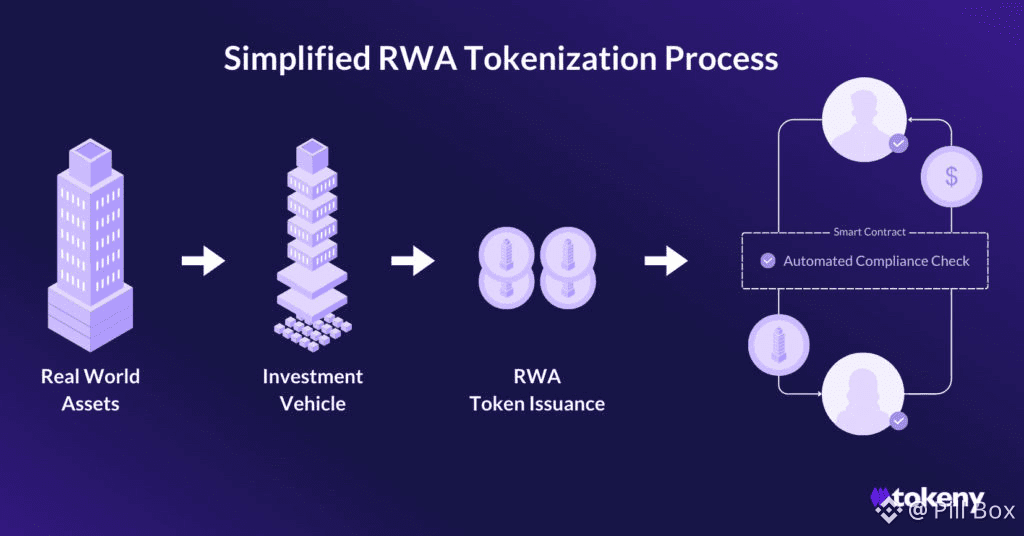
That’s changing as projects like @APRO-Oracle find better ways to solve it. They pull data from all kinds of places, run it through careful checks that include machine learning to flag anything suspicious, and then make it available across multiple chains in a secure, verifiable form the difference shows most clearly when handling complicated inputs that go beyond simple numbers, like contracts, certificates, or even visual records that carry important details.
This capability shines brightest in the fast-growing space of real-world asset tokenization. More and more value from traditional markets, property titles, raw materials, intellectual property, is moving on-chain. Most earlier oracle designs were built around clean price feeds, so they struggle with the irregularities and context that come with physical or legal assets. APRO takes a more deliberate path: gather the source material securely, extract the crucial parts such as ownership history or specific conditions, and lock in the results with strong cryptographic backing. That kind of precision makes it feasible to turn assets that were once too awkward to trade into liquid, fractional tokens.
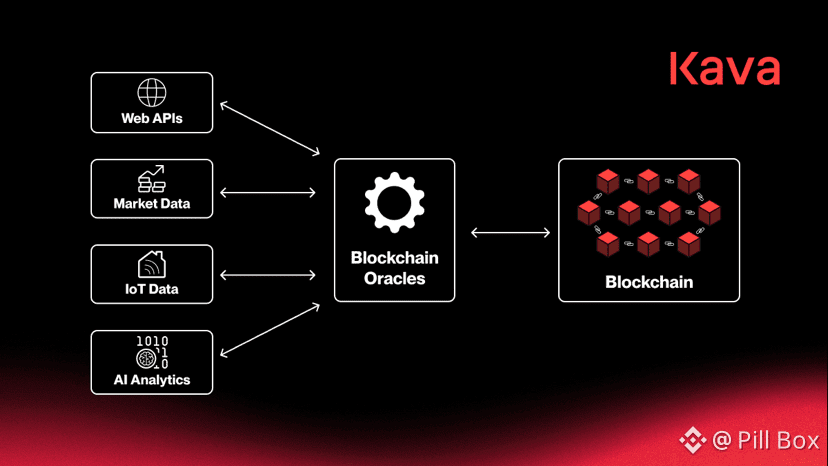 The setup works smoothly across a wide range of networks, already covering more than forty, from the big established layers to newer high-speed ones and Bitcoin extensions. Developers can rely on the same quality of data no matter where they build, choosing between ongoing streams for active markets or single requests for specific triggers. It removes a lot of the friction that comes with working across separate ecosystems.
Running the network stays balanced through the $AT token, which rewards those who provide good data and requires staking that can be reduced if something goes seriously off track. The penalties are scaled thoughtfully, lighter for small inconsistencies, much stricter for obvious attempts to mislead. People holding the token also help shape upcoming changes, whether that’s adding support for new kinds of information or fine-tuning performance on certain chains what really sets @APRO-Oracle apart is the way it builds machine learning right into the process for catching problems early and improving over time. As tricks for faking or distorting data get more advanced, having that extra layer of vigilance alongside staking incentives creates a tougher overall defense.
With clearer regulations opening doors and larger institutions starting to participate, the demand for this kind of dependable connection is only going up. Estimates point to enormous growth in tokenized value in the years ahead, but that growth depends heavily on having data layers that don’t introduce weak spots strengths include the flexibility to manage diverse inputs while staying truly decentralized, though challenges around smooth scaling and token supply schedules remain worth watching at its core, progress here reflects a broader shift in the ecosystem toward practical, everyday utility. Reliable ways to bring external facts on-chain without sacrificing trust are what will let blockchain move from niche experiments to handling real economic activity. APRO Oracle is building toward exactly that kind of foundation, one careful bridge at a time.

