The Senate recently unveiled the Digital Asset Market Clarity Act, a bipartisan effort aimed at defining how digital assets are treated in the United States. It caught my attention for the clarity it brings to a space that often feels uncertain, where builders and users navigate complex and shifting regulations. The draft attempts to draw lines between digital commodities and ancillary assets, offering clearer guidance on the roles of the SEC and CFTC.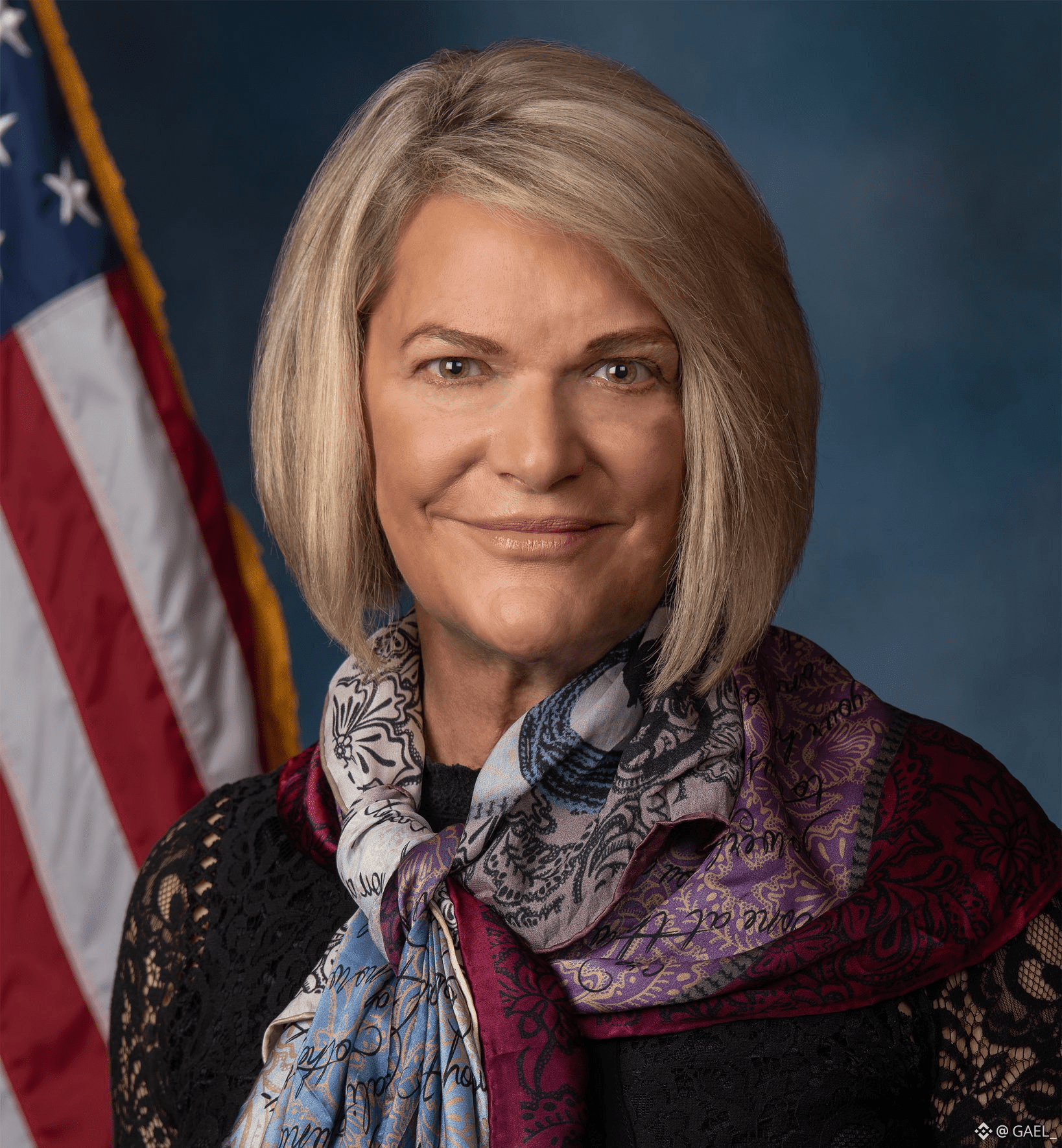
A notable feature of the proposal is its exemption for major tokens like Bitcoin, Ethereum, and Solana from additional filings, provided they are listed in exchange-traded products by January 1, 2026. This approach seems designed to reduce friction for established cryptocurrencies while still allowing regulators to focus on emerging or high-risk assets. It also acknowledges the growing importance of DeFi protocols and self-custody solutions, offering protections for individuals managing their own wallets.
The draft further allows banks to custody and stake digital assets, with certain safeguards in place. This provision highlights the increasing institutional interest in blockchain technology, bridging traditional finance with decentralized systems. At the same time, the bill bans passive stablecoin interest to protect bank deposits, reflecting a careful balancing act between innovation and financial safety. It is interesting to observe how policymakers are trying to navigate these competing priorities while keeping the ecosystem open for experimentation.
Reactions to the draft show the challenges of achieving consensus. Senator Cynthia Lummis emphasized the thousands of hours of bipartisan work, underscoring a commitment to thoughtful regulation. Yet some lawmakers, including Senator Elizabeth Warren, expressed concern that oversight might be weakened, highlighting ongoing debates about how to maintain investor protection without stifling innovation. The bill is now heading to a markup session Thursday, with calls for additional review and careful consideration.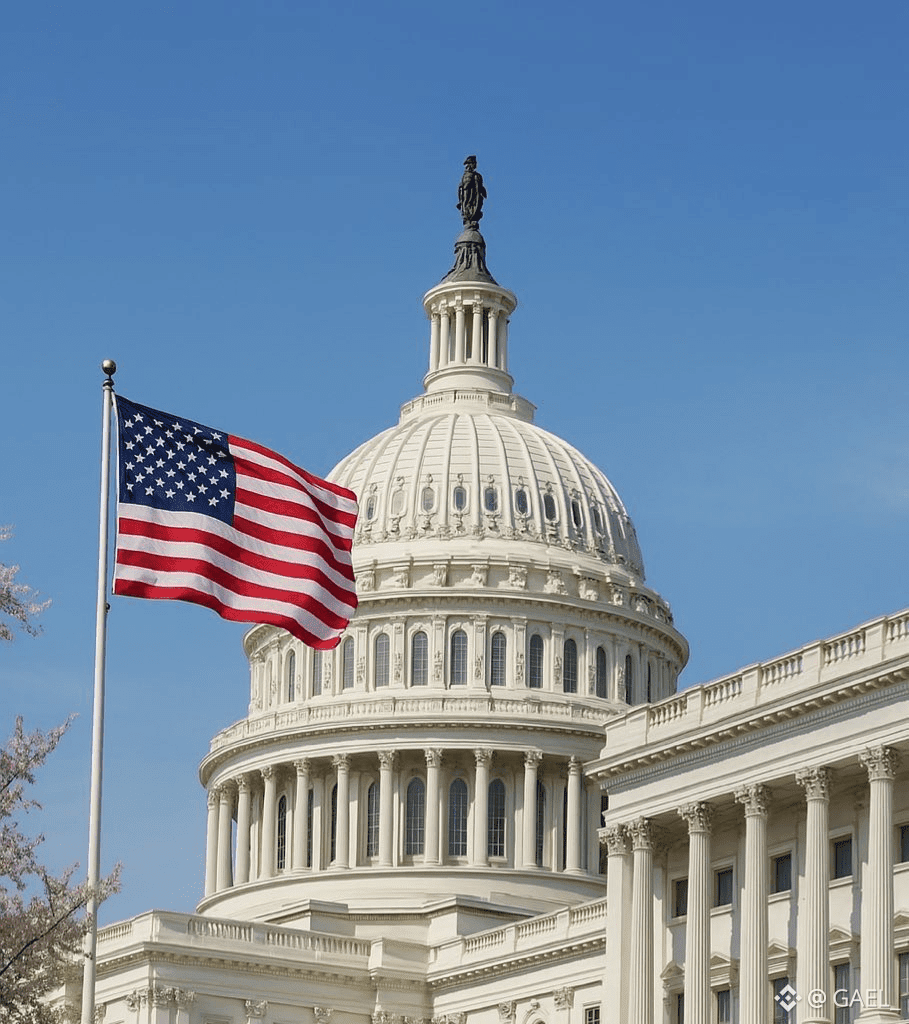
Overall, the draft feels like a measured attempt to provide structure without overreach. For participants in the crypto ecosystem, it signals a moment of recognition that digital assets are becoming an integral part of financial markets. Observing the conversation around this legislation reinforces the sense that regulation, when approached thoughtfully, can coexist with growth and experimentation. It is a reminder that patience and attentiveness are key in understanding the long-term evolution of the space.
#DigitalAssets #USsenate #CPIWatch #CryptoNews #volatility