

Imagine you’re a business that wants to issue shares or tokens to investors. On paper, it sounds simple. But put it on most blockchains, and things get tricky. Every transaction is public. Anyone can see who owns what, when it changed, and even infer strategies. For most regulated businesses, that’s a no-go. You can’t risk leaking sensitive financial info, and regulators aren’t thrilled either.This is the challenge Dusk Foundation tackles head-on. It isn’t just another blockchain. Its focus is privacy without sacrificing compliance. Think of it like a safe room inside a public building. The building itself is visible and trustworthy, but what happens inside stays private—unless you need to show it to the right people.At the heart of Dusk is its ability to let businesses issue and manage digital securities privately. That means companies can create tokenized assets—shares, bonds, or other digital securities—and distribute them on-chain without exposing critical details to the public. Investors can receive and trade these assets, but sensitive information about the company’s strategy, holdings, or financial plans remains confidential.The key technology behind this is selective disclosure. Unlike traditional blockchains where every piece of data is visible to all, selective disclosure allows businesses to choose what information to reveal and to whom. Regulators and auditors can verify compliance when needed, but the rest of the world sees nothing. This solves the long-standing tension between transparency for legitimacy and privacy for business strategy.Why does this matter? In traditional finance, companies are used to protecting trade secrets while still adhering to strict rules. Moving into the digital world shouldn’t force them to give up either. Dusk bridges that gap. It creates a blockchain environment where businesses can operate safely, confidently, and in full compliance.
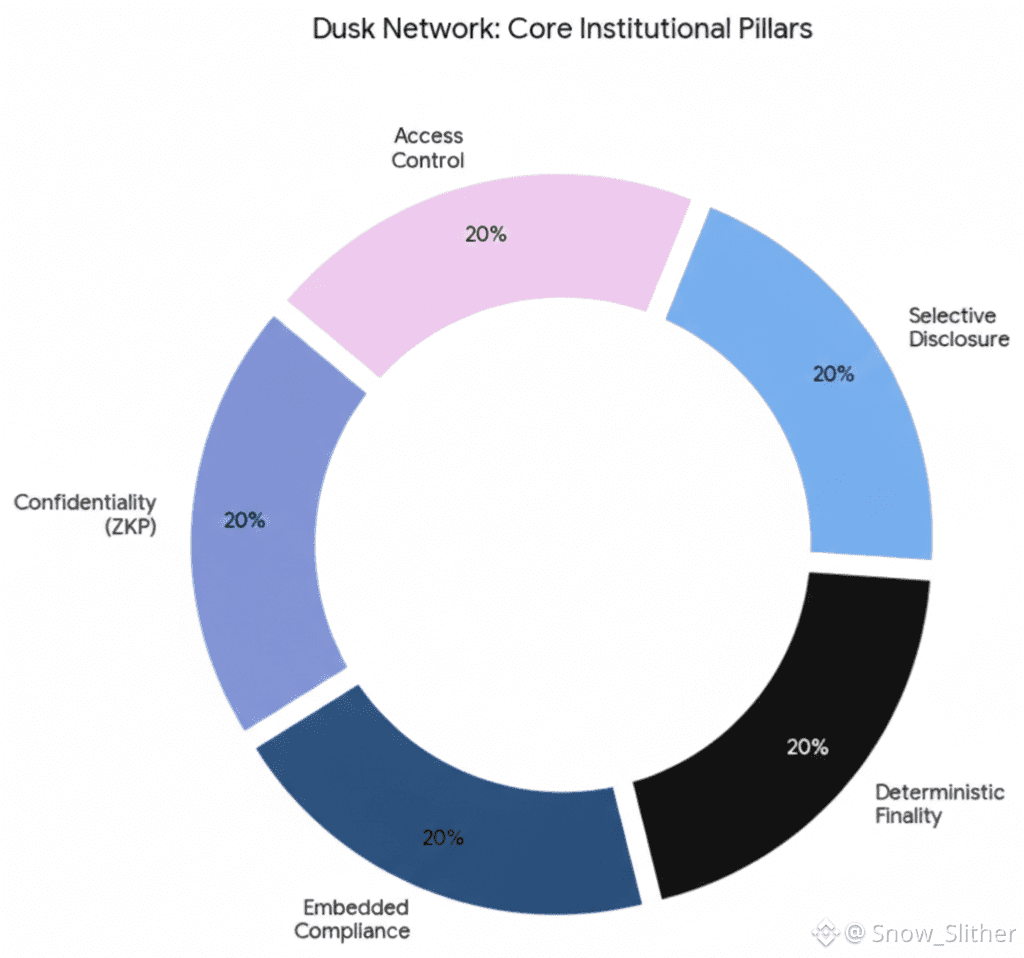
Take tokenized securities, for example. They are digital versions of traditional financial instruments. Issuing them on a public blockchain often scares businesses because every transaction is visible. Even simple trading patterns could reveal corporate strategy. Dusk changes that equation. Companies can issue tokens, manage ownership, and even enable secondary trading—all while keeping sensitive data locked down. Only the necessary parties, like regulators or auditors, get access to the underlying details.Another important aspect is efficiency. Because Dusk is designed for these private, regulated transactions, it avoids some of the friction that businesses face when trying to operate on public chains. No need to jump through complicated workarounds or rely on off-chain processes that defeat the purpose of tokenization. Everything happens on-chain, but safely and privately.This approach doesn’t just protect companies. It also protects investors. Knowing that sensitive information won’t leak reduces risk and increases trust in digital securities. Investors can confidently participate in private offerings, secondary trading, or portfolio management without worrying that someone else is analyzing company moves for an unfair advantage.Dusk Foundation also ensures that these private transactions are verifiable and compliant. Privacy doesn’t mean “no rules.” The protocol allows selective sharing so regulators can audit activity, confirm ownership, and ensure laws are followed—without exposing unnecessary details. This balance of privacy, transparency, and compliance is what makes Dusk a strong fit for real-world financial applications.The lesson here is simple: moving finance to blockchain isn’t just about speed or decentralization—it’s about trust, security, and regulatory alignment. Companies need a system that respects their need for secrecy while still proving legitimacy. 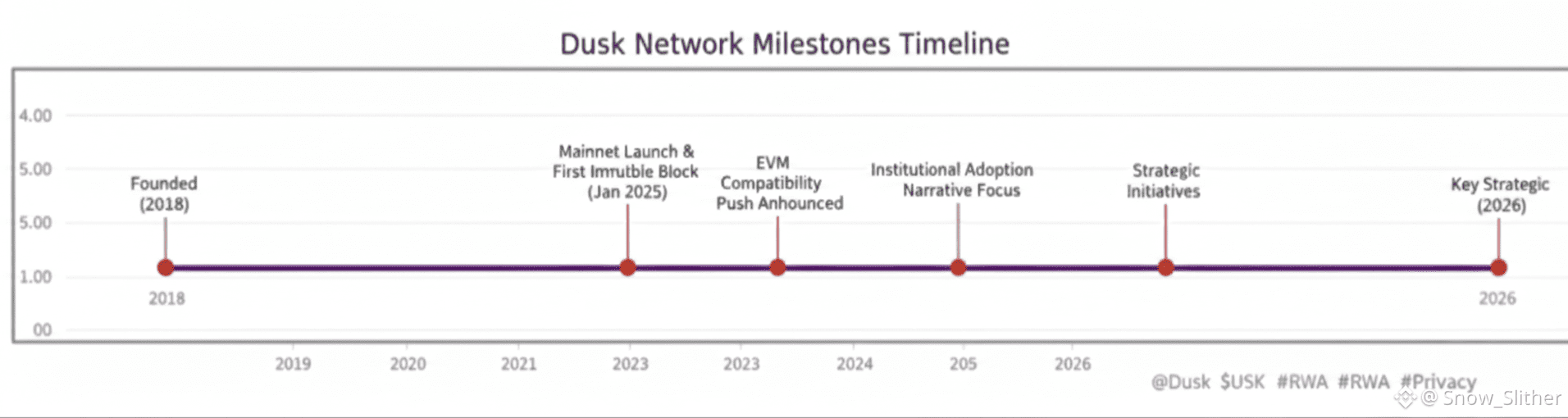
That’s the sweet spot Dusk hits.Consider a startup wanting to raise funds through tokenized equity. On a typical blockchain, anyone could see who invests, how much, and when. Competitors could use that data to their advantage. With Dusk, the startup can issue tokens privately. Only the necessary parties—investors, regulators, and auditors—see the details, while the public only sees that compliant trading is happening. The startup protects its strategy, investors trust the system, and regulators get the data they need. Everyone wins.This approach also opens the door to more innovation in digital finance. By removing the barrier of public exposure, Dusk encourages businesses to explore tokenized offerings, digital bonds, and other blockchain-based securities that were previously too risky to handle on public chains. Companies can experiment, scale, and engage investors in ways that were impossible with traditional finance or public blockchains.In short, Dusk Foundation isn’t just building another blockchain. It’s creating a tool for real businesses to safely operate in a digital financial world. By letting companies issue and manage digital securities privately, it respects the real-world needs of regulated industries while leveraging the power and efficiency of blockchain technology.The takeaway? Privacy and compliance can coexist. Blockchain doesn’t have to be all-public or all-private. With selective disclosure and smart protocol design, Dusk provides the best of both worlds: businesses can protect their sensitive strategies, investors can participate confidently, and regulators can verify activity without compromise.If you’re thinking about the future of digital finance, Dusk Foundation shows a path where blockchain isn’t just a hype experiment—it’s a practical, safe, and compliant tool for issuing and managing digital securities. #Dusk #dusk @Dusk $DUSK
