

When most people think of blockchain, they picture public networks where anyone can join, trade, or peek at transactions. That’s great for open communities, games, or cryptocurrencies, but for serious businesses and financial institutions, it’s often a nightmare. Public blockchains are too transparent, too fast for speculation, and rarely built to meet strict rules that industries live by every day.This is the problem Dusk Foundation solves. Instead of creating yet another “public playground” blockchain, Dusk is designed from the ground up for regulated environments. Its focus isn’t just decentralization for the sake of hype—it’s providing a practical, compliant platform where businesses can operate safely on-chain.Why does this matter? In traditional finance, trust isn’t optional—it’s required. Companies, banks, and regulators need to know that transactions are legitimate, verifiable, and follow laws. At the same time, businesses often have sensitive strategies, trade secrets, and private information that can’t be exposed to the public. Most blockchains force a compromise: either you play by public rules and risk exposing your business, or you stay off-chain and deal with inefficiencies and paperwork.Dusk Foundation changes this. Its blockchain is built so that privacy, compliance, and transparency coexist. Think of it as a city with open streets but private offices. Everyone can trust the city is running properly, but what happens inside the offices stays secure—unless regulators need access. This design allows businesses to harness blockchain benefits—speed, efficiency, immutability—without compromising legal or strategic requirements.One of the main tools Dusk uses to achieve this is selective disclosure. On public chains, every detail of a transaction is visible. On Dusk, businesses can control what information is shared and with whom.
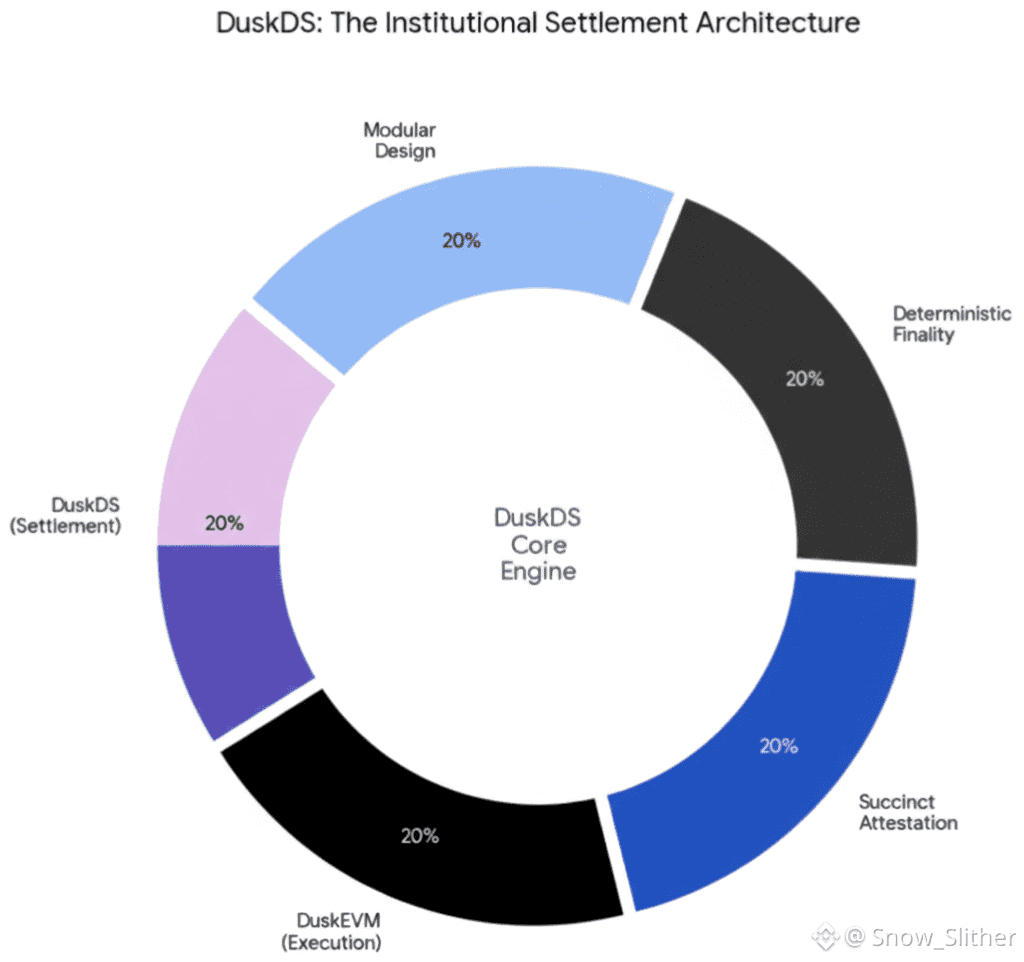
Regulators can audit transactions, auditors can verify ownership, but competitors or the general public won’t see sensitive data. This solves the long-standing tension between transparency and confidentiality, which has historically limited blockchain adoption in regulated industries.Imagine a company issuing digital securities or tokenized assets. On most public chains, issuing tokens means everyone can see who owns what and when. That exposure could reveal business strategies or investor patterns—information that companies cannot afford to leak. On Dusk, the company can issue tokens and manage ownership privately while still staying fully compliant. Investors can trade with confidence, and regulators can audit without needing full public access.Another reason Dusk stands out is practical usability. Many blockchains built for general public use require complex workarounds for regulated activities. Businesses often rely on off-chain agreements or parallel systems to comply with laws. Dusk eliminates most of that friction by building compliance directly into the protocol. The blockchain itself understands regulated requirements, making it easier for businesses to adopt without bending rules or risking legal trouble.The lesson here is simple: blockchain adoption in serious industries doesn’t depend on hype—it depends on trust and compliance. Companies need a platform that allows them to operate digitally without compromising strategy or regulatory obligations. Dusk Foundation provides that bridge, enabling real-world businesses to move confidently into the blockchain space.Consider a bank or financial institution that wants to process digital bonds or private securities. Using a public chain exposes too much detail, while sticking with traditional systems limits efficiency. Dusk lets them do both: issue and manage assets securely on-chain, with rules built in and sensitive information protected. It’s the middle path many businesses have been waiting for.Dusk’s design also encourages innovation in regulated finance.
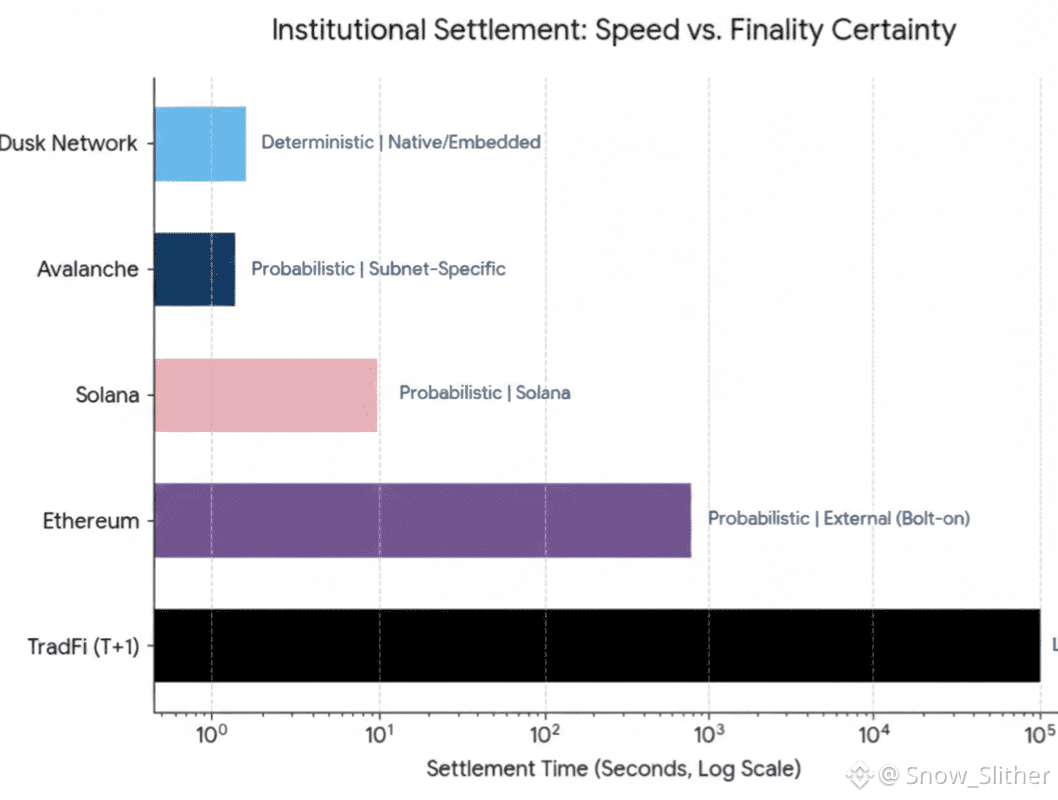
Because companies no longer fear exposing their strategies or breaking compliance, they can explore tokenized products, private digital markets, or programmable finance in ways previously too risky. The blockchain becomes not just a ledger but a safe playground for regulated innovation.Even beyond finance, any regulated industry—insurance, healthcare, or supply chain—can benefit. The same principles apply: transactions need to be verifiable, private data needs protection, and operations must follow rules. Dusk’s architecture provides that framework. It’s like giving industries a digital toolkit that respects their real-world needs rather than forcing them into public experiments that only work for crypto enthusiasts.In short, Dusk Foundation isn’t chasing the latest blockchain fad or trying to compete on hype metrics like transaction speed alone. It’s focused on building a practical, compliant blockchain where regulated businesses can operate efficiently, safely, and privately. Privacy doesn’t mean cutting off transparency; compliance doesn’t mean exposing everything. The protocol allows the right balance, giving businesses, investors, and regulators what they need.The takeaway is clear: if blockchain is going to move beyond speculation and into serious enterprise use, it needs purpose-built designs. Dusk Foundation demonstrates how a blockchain can be both innovative and practical, protecting sensitive information, enabling private asset issuance, and satisfying regulatory requirements—all in one platform.In a world where public chains often feel like experiments for enthusiasts, Dusk Foundation reminds us that blockchain can be a tool for real, regulated business, not just a playground for speculation. For companies looking to embrace digital transformation safely, this approach is less about hype and more about building trust, efficiency, and compliance into the foundation itself. #Dusk #dusk $DUSK @Dusk
