

If you’ve ever looked at a blockchain, you’ve probably noticed one thing: everything is out in the open. Anyone can see transactions, balances, and patterns. For cryptocurrencies or public networks, this is fine. But for businesses and regulated industries, full transparency is often a dealbreaker. Companies can’t afford to leak sensitive financial info or strategic moves, yet regulators still need to verify that transactions follow the rules.This is where Dusk Foundation steps in. Its blockchain is designed to keep transactions confidential while making them fully verifiable and compliant. Think of it like sending a sealed envelope through a trusted postal service. The contents are private, but a trusted authority can check the envelope hasn’t been tampered with, and the delivery is recorded securely.At the core of Dusk’s approach is selective disclosure. On most blockchains, the default is: everyone sees everything. Dusk flips that model. Businesses can choose exactly what details to reveal and to whom. Investors, regulators, or auditors get access to the information they need, while competitors and the general public see nothing sensitive. This method preserves privacy without sacrificing legitimacy.Why is this important? In regulated finance, trust isn’t just desirable—it’s mandatory. Companies issuing digital securities, bonds, or other tokenized assets must prove that transactions are legal, accurately recorded, and compliant with industry rules. Doing this on a public blockchain often exposes too much. On Dusk, the same transactions remain confidential but verifiable. Regulators can audit activity, investors can see ownership proofs, and businesses protect strategic details.Consider a company issuing private equity tokens. On a typical blockchain, everyone can track who owns what, which might reveal fundraising strategies or investor patterns. With Dusk, those transactions are encrypted and confidential, but auditors can still verify ownership and compliance. The company can operate safely, investors can trust the system, and regulators get the transparency they require—without leaking sensitive information to the world.
Dusk achieves this through a combination of privacy-preserving cryptography and smart protocol design. Transactions are recorded immutably, but sensitive data is protected. The system allows verification proofs without exposing underlying details. This is not “hiding” activity; it’s creating a secure and auditable environment that balances privacy and accountability.Another benefit is operational efficiency. Traditional finance often relies on layers of intermediaries and paper trails to ensure compliance while protecting sensitive information. With Dusk, the blockchain itself handles these checks automatically. Businesses don’t need to rely on external systems or complicated off-chain processes. The protocol is designed to ensure compliance and verification directly on-chain, saving time, reducing costs, and lowering the risk of human error.The lesson here is simple: privacy and compliance don’t have to be at odds. Many companies assume they must choose between protecting their secrets and proving legitimacy. Dusk shows that the right technology design can achieve both simultaneously. Confidentiality doesn’t mean opacity, and verifiability doesn’t require exposing your entire strategy.This has major implications for adoption. Many businesses hesitate to use blockchain because public networks expose too much. By providing a framework where transactions are both private and auditable, Dusk opens the door for companies to experiment with digital securities, tokenized bonds, or other on-chain instruments with confidence. They can innovate without risking regulatory trouble or strategic leaks.Investors benefit too. Knowing that sensitive transaction details remain private reduces risk and encourages participation in private offerings. At the same time, they can verify ownership and compliance whenever needed. This builds trust on both sides, which is critical for institutional adoption of blockchain.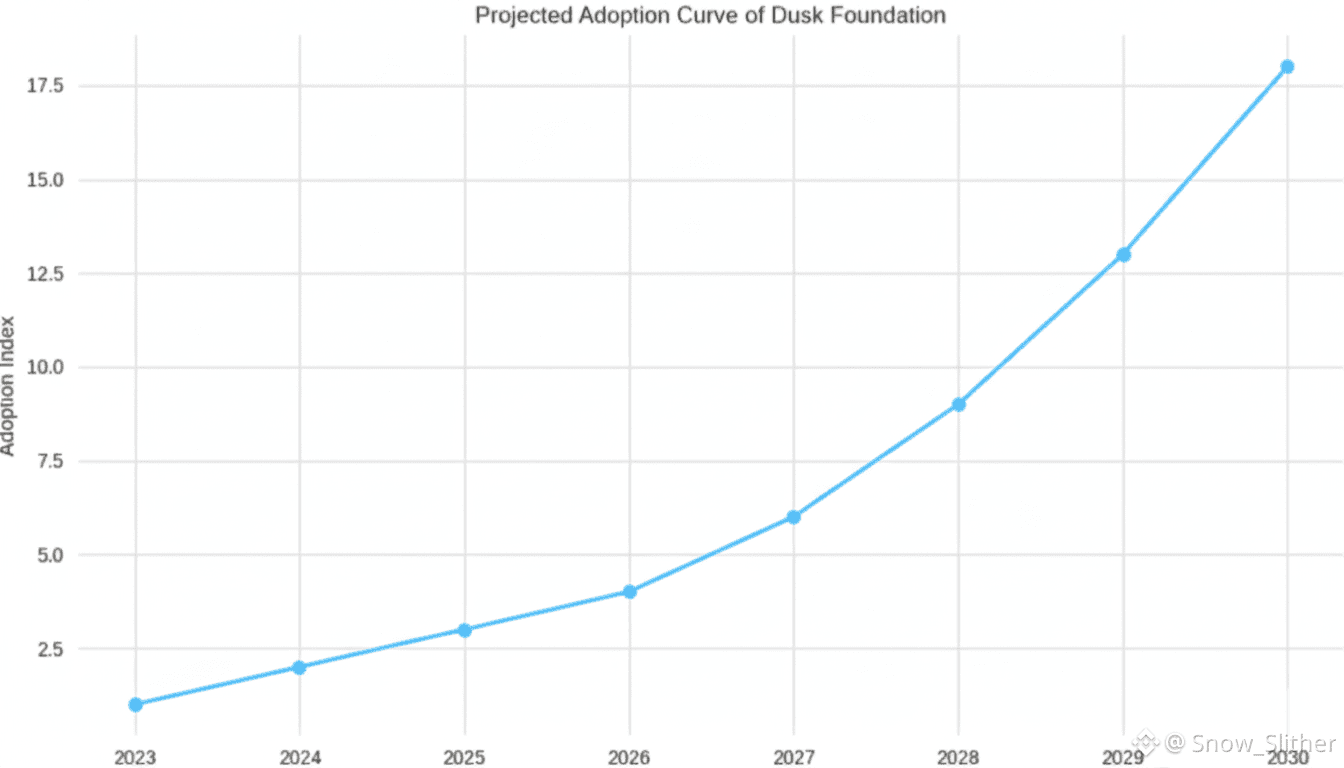
Dusk’s design also emphasizes accountability. While details remain confidential, every transaction is recorded in a tamper-proof way. Regulators or auditors can verify compliance using cryptographic proofs, ensuring laws are followed. This balances privacy, transparency, and legal responsibility—a combination rarely seen in traditional or public blockchain systems.The takeaway is clear: moving to blockchain doesn’t mean exposing everything to the world. Businesses can operate privately, securely, and legally, and Dusk makes that possible. It transforms blockchain from a public experiment into a practical tool for regulated industries, where confidentiality and compliance coexist.Even outside finance, this model has value. Industries like healthcare, supply chain, or insurance deal with sensitive data and strict rules. Dusk’s approach allows private transactions that are still auditable. It’s like giving these industries a digital ledger they can trust, where sensitive information is safe but verifiable when required.In short, Dusk Foundation isn’t just building a blockchain for speed or decentralization—it’s building a blockchain for real-world needs. By ensuring that confidential transactions remain verifiable and compliant, it removes a key barrier to adoption in regulated industries. Companies can issue tokens, move assets, and innovate with confidence, investors can trust the process, and regulators get the assurance they require. Everyone benefits.The lesson: blockchain adoption in serious industries isn’t about hype—it’s about trust, security, and compliance. Dusk Foundation demonstrates that with smart design and selective disclosure, companies can have privacy without sacrificing accountability, creating a blockchain ecosystem that is both safe and practical. #Dusk #dusk @Dusk $DUSK
