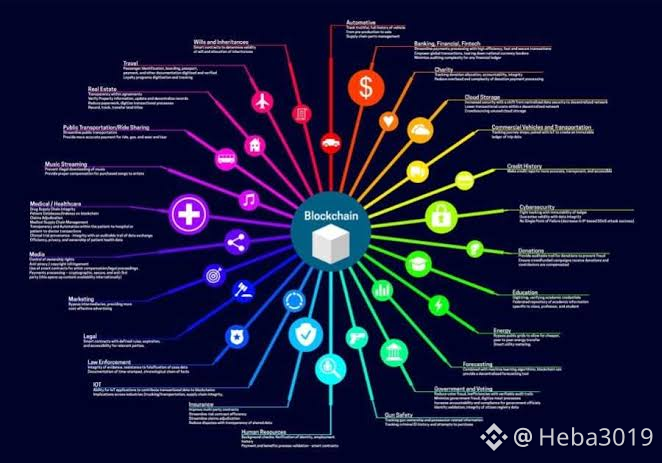
A Layer 1 (L1) blockchain protocol is the foundational network that processes transactions, secures data, and maintains consensus across a decentralized system. It is the base layer on which everything else is built—smart contracts, decentralized applications (dApps), tokens, NFTs, and even Layer 2 scaling solutions. Vanar Chain is a modern Layer 1 blockchain designed with a strong focus on mass market adoption, performance, and real-world usability.
Unlike Layer 2 solutions, which rely on another blockchain for security and settlement, a Layer 1 blockchain like Vanar Chain operates independently. It has its own consensus mechanism, validator network, and native token economy. This independence allows Vanar Chain to optimize its architecture specifically for speed, scalability, and user experience from the ground up.
The Role of Layer 1 in Blockchain
At a fundamental level, a Layer 1 blockchain protocol performs four critical functions: transaction execution, consensus, security, and data availability. Every transaction submitted to the network is validated and permanently recorded on the blockchain, ensuring transparency and immutability. The consensus mechanism ensures that all network participants agree on the state of the ledger without relying on a central authority.
Vanar Chain fulfills all these roles while aiming to overcome the traditional limitations of older Layer 1 blockchains—namely slow speeds, high fees, and complex user interactions.
Vanar Chain as a Next-Generation Layer 1
Vanar Chain is built to support high throughput and low latency, making it suitable for applications that require fast and seamless interactions. This includes gaming, entertainment platforms, AI-driven applications, NFTs, and enterprise-grade solutions. By optimizing its infrastructure, Vanar Chain enables near-instant transaction finality and minimal fees, which are essential for attracting mainstream users.
Many early Layer 1 blockchains were designed primarily for financial transactions. Vanar Chain, however, is engineered for consumer-facing applications, where user experience matters just as much as decentralization and security.
User-First Blockchain Design
One of the defining characteristics of Vanar Chain as a Layer 1 protocol is its emphasis on accessibility. Traditional blockchains often require users to understand wallets, gas fees, and private key management—barriers that prevent widespread adoption. Vanar Chain focuses on simplifying these processes, allowing users to interact with Web3 applications in a way that feels familiar to Web2 platforms.
This approach positions Vanar Chain as a Layer 1 that doesn’t just serve developers and crypto-native users, but also everyday consumers.
Smart Contracts and Ecosystem Growth
As a Layer 1 blockchain, Vanar Chain supports smart contracts that power decentralized applications across its ecosystem. Developers can build directly on the base layer, benefiting from the network’s speed, scalability, and developer-friendly tooling. A strong Layer 1 foundation encourages innovation, as builders can create applications without worrying about network congestion or excessive transaction costs.
Why Vanar Chain’s Layer 1 Matters
Layer 1 blockchains are the backbone of Web3, and their design choices shape the future of decentralized technology. Vanar Chain represents a new generation of Layer 1 protocols—focused not just on technical performance, but on real-world adoption. By combining scalability, usability, and strong infrastructure, Vanar Chain aims to become a foundational layer for bringing blockchain technology to the masses.