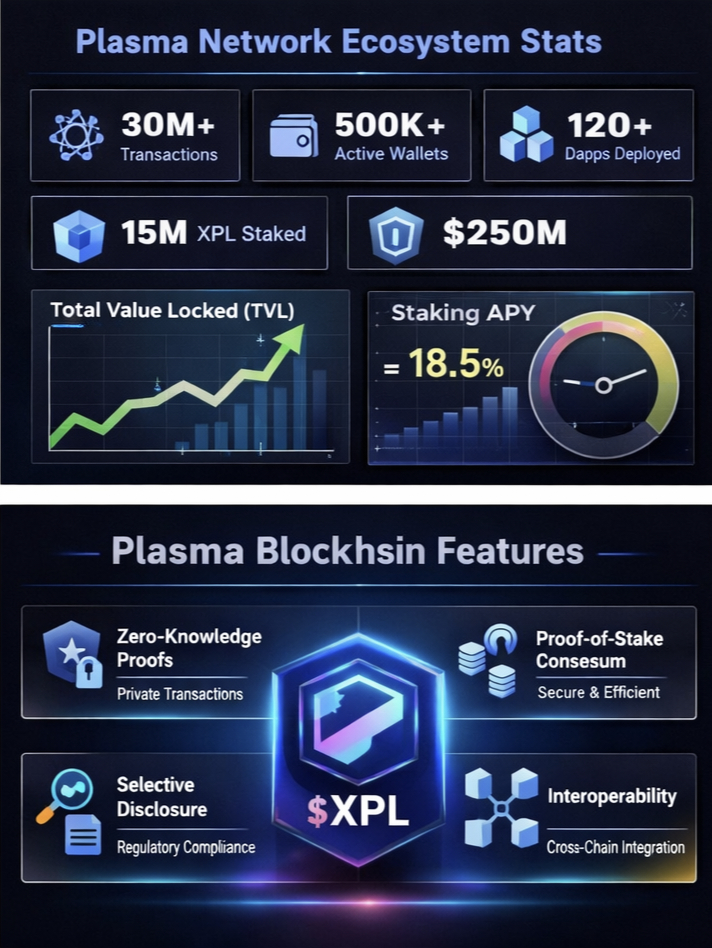
Șabloanele generice de blockchain nu sunt folosite de Plasma. În schimb, folosește blocuri de construcție atent alese pentru a crea o infrastructură financiară care este conformă, performantă și protejează confidențialitatea. Fiecare componentă Plasma este creată specific pentru a susține arhitectura generală a blockchain-ului, garantând că fiecare contribuie semnificativ la securitatea, eficiența și utilizabilitatea rețelei.
1. Principiul arhitectural fundamental al confidențialității Principiul fundamental al Plasma este confidențialitatea. Implicit, fiecare tranzacție menține confidențialitatea expeditorului, destinatarului și sumei; nu există o înregistrare publică pe blockchain. Primitivii de dovadă zero-knowledge nativi sunt încorporați direct în protocol pentru a oferi confidențialitate.
Plasma are o alegere mai degrabă decât o abordare absolută a confidențialității. Părțile terțe autorizate, cum ar fi reglementatorii sau auditorii, pot verifica datele tranzacției particulare prin caracteristica de dezvăluire selectivă a rețelei fără a dezvălui informații suplimentare publicului larg. Acest lucru garantează că Plasma poate respecta conformitatea reglementărilor în timp ce protejează confidențialitatea utilizatorilor, un echilibru esențial pentru aplicațiile financiare.
Activul nativ XPL:
Unitatea principală de valoare în rețeaua Plasma este activul nativ XPL $XPL. Dincolo de tranzacțiile simple, $XPL susține comisioanele de tranzacție, permite staking-ul, protejează rețeaua și participă la procesul de consens. Plasma garantează operațiuni de rețea audibile și fiabile prin consolidarea securității și stimulentelor financiare într-un singur token.
Consens și Securitatea Rețelei:
Rețeaua evită sistemele de securitate disjuncte și asigură supraviețuirea pe termen lung a ecosistemului cu $XPL ca singurul activ privilegiat. Rezistența Sybil este întărită de designul token-ului, care protejează rețeaua de indivizi rău intenționați și promovează un sistem economic cinstit și deschis. Pentru a evita atacurile țintite, cenzura sau front-running, Plasma utilizează un consens Proof-of-Stake cu selecția criptografică a liderului care păstrează confidențialitatea prin menținerea anonimatului propunătorilor de blocuri. Rețeaua este protejată de token-uri staked $XPL, iar consensul bazat pe comitete permite finalizarea rapidă cu toleranță la defecte Byzantine. Acest lucru garantează că rețeaua poate gestiona aplicații de nivel financiar care necesită garanții de securitate puternice, soluționare rapidă și fiabilitate mare.

Modelul de tranzacție și gestionarea stării:
Plasma utilizează un paradigm de tranzacție care protejează confidențialitatea. Transferurile rămân în așteptare până când destinarul le acceptă în mod expres, garantând corectitudinea și evitând ajustările premature ale soldurilor. Controlul strict asupra tranzițiilor de stare prin contracte la nivel de protocol reduce riscurile sistemice, îmbunătățește auditabilitatea și păstrează anonimatul. Fără a sacrifica securitatea, arhitectura garantează că toate soldurile și tranzacțiile sunt precise, confidențiale și verificabile.
Conformitate prin Design:
Conformitatea este fundamentală pentru Plasma. Fără a sacrifica descentralizarea sau confidențialitatea, rețeaua poate respecta cerințele de reglementare, inclusiv emiterea de token-uri de securitate, gestionarea ciclului de viață și raportarea, utilizând dezvăluirea selectivă și atestările criptografice. Datorită acestui fapt, Plasma se află într-o poziție unică de a conecta tehnologia blockchain cu instituțiile financiare convenționale, facilitând fluxuri financiare private dar conforme la scară.
Interoperabilitate și Extensibilitate:
Plasma este proiectată pentru a funcționa cu diferite sisteme blockchain. Poate funcționa ca un strat de execuție sau ca o sidechain care păstrează confidențialitatea pentru rețelele Layer-1 folosind metode de interoperabilitate de încredere sau minimizate. Extensibilitatea rețelei își menține concentrarea principală pe finanțarea privată și legală, permițând o varietate de aplicații să funcționeze. Toate elementele—confidențialitate, consens, contracte inteligente, conformitate și stimulente—sunt integrate într-un sistem unificat, construit cu un scop care susține în siguranță și discret piețele financiare din lumea reală. Prin integrarea confidențialității, securității, conformității și performanței ridicate, designul nativ al Plasma oferă o platformă blockchain completă care poate susține piețele financiare "bani reali" la scară.