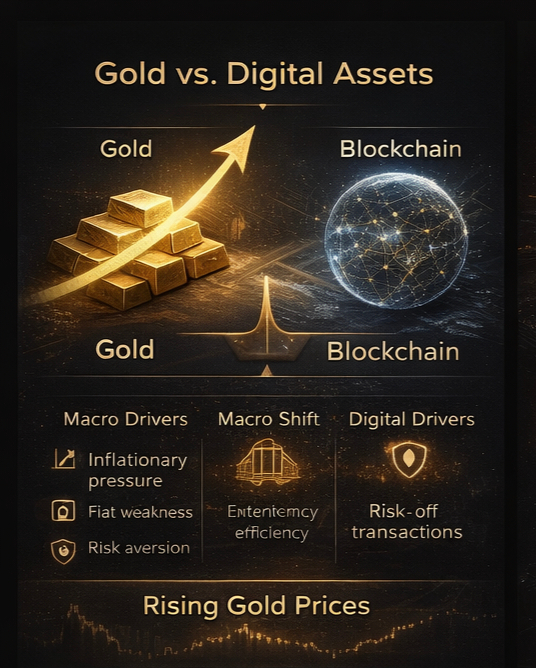
În trecut, creșterea prețurilor aurului a reflectat imprevizibilitatea lumii. Tendința ascendentă a aurului indică frecvent o schimbare mai mare în atitudinea investitorilor față de conservarea capitalului, mai degrabă decât o creștere ambițioasă, indiferent de cauză—presiunea inflaționistă, tulburările geopolitice sau credința tot mai mică în monedele fiduciare. Această tendință a reapărut intens în ultimii ani, stârnind o discuție reînnoită despre alternativele de stocare a valorii, atât convenționale, cât și digitale. Reputația aurului ca refugiu sigur provine din durabilitatea, raritatea și încrederea sa de durată. Cu toate acestea, investitorii nu mai limitează căutarea lor pentru reziliență doar la activele fizice într-un climat financiar care devine din ce în ce mai definit de infrastructura digitală.
O nouă clasă de sisteme de valoare—rețele care pun eficiența, transparența și încrederea descentralizată pe primul loc—a apărut ca rezultat al dezvoltării tehnologiei blockchain. În această privință, inițiative precum @plasma sunt o reacție structurală la aceleași factori macroeconomici care împing investițiile în aur. Pe măsură ce prețurile aurului cresc, capitalul tinde să migreze de la produse cu risc ridicat către active considerate stabile și apărate. Această comportament “de reducere a riscurilor” nu elimină interesul pentru inovație; dimpotrivă, îl rafinează. Investitorii devin mai pretențioși, concentrându-se mai mult pe utilitatea reală și mai puțin pe narațiuni speculative. Arhitectura Plasma corespunde aproximativ acestei schimbări. Rețeaua se prezintă ca o infrastructură funcțională mai degrabă decât un experiment teoretic, concentrându-se pe tranzacții cu costuri reduse, execuție scalabilă și design axat pe confidențialitate.
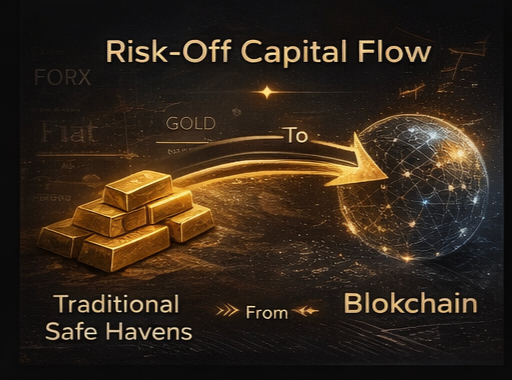
Spre deosebire de multe inițiative blockchain care se bazează în principal pe sentimentul pieței, $XPL își extrage importanța din utilitatea operațională. Sistemele care reduc frecarea și cresc eficiența sunt acordate atenție analitică în contexte macro în care încrederea este fragilă. Capacitatea Plasma de a permite activități complicate fără costuri sau congestii nejustificate o plasează mai aproape de categoria “commodities digitale”—active evaluate nu pentru hype, ci pentru rolul lor într-un cadru economic mai larg.
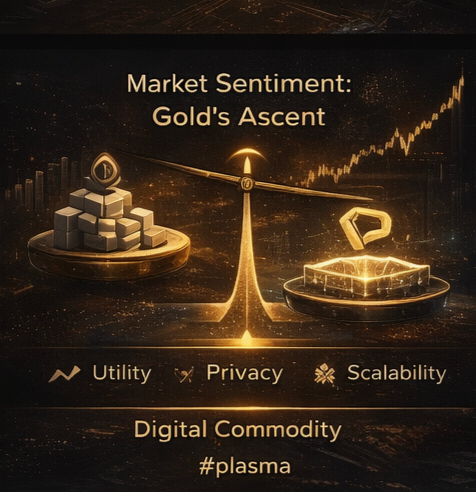
Încrederea este o altă caracteristică importantă care leagă interesul pentru Plasma de creșterea aurului. Aurul beneficiază de secole de credibilitate. Rețelele blockchain trebuie să-și demonstreze valoarea. Una dintre cele mai importante probleme în finanțele digitale—dacă sistemele descentralizate pot funcționa în mod fiabil sub presiune—este abordată prin accentul Plasma pe eficiența execuției și confidențialitate. Fiabilitatea primează asupra noului în perioade de stres macro.
Comparatie:
Compararea tehnologiei blockchain cu aurul este despre complementaritate mai degrabă decât înlocuire. Într-o economie digitală, plasma își menține valoarea prin facilitarea mobilității, anonimatului și scalabilității, în timp ce aurul își menține valoarea prin constanță. Capitalul devine mai diversificat atât în sisteme statice, cât și dinamice în căutarea refugiu. Rețelele descentralizate cu fundații solide devin strategice în această situație.
La final, o reevaluare mai amănunțită a priorităților financiare globale se reflectă în creșterea aurului. Într-o lume care se digitalizează rapid, investitorii reevaluează ce înseamnă durabilitatea. În acest context, funcția Plasma este de a extinde semnificația rezilienței în sfera digitală, mai degrabă decât de a concura cu refugii convenționale. Proiectele bazate pe infrastructură, cum ar fi Plasma, arată cum blockchain-ul ar putea evolua de la active speculative la instrumente economice fundamentale pe măsură ce sistemele tradiționale și descentralizate se converg.
În acest fel, $XPL coincide cu tendințele macro mai degrabă decât să răspundă doar la ele. Plasma arată cum tehnologia descentralizată poate facilita un viitor financiar mai eficient și flexibil, în timp ce aurul continuă să fie un simbol al prudenței și conservării. #plasma