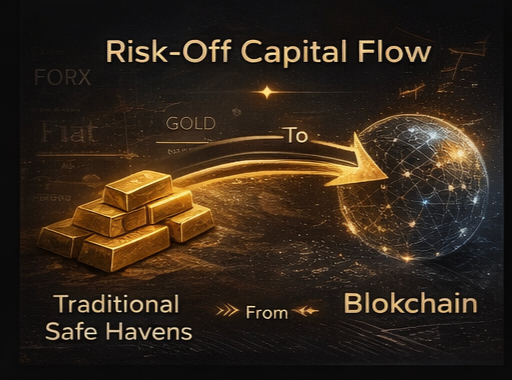
Creșterile prețului aurului au fost tradițional văzute ca o indicație a tensiunii macroeconomice. Presiunea inflaționistă, instabilitatea geopolitică și diminuarea încrederii în monedele fiat împing de obicei capitalul către refugii sigure convenționale. Investitorii și instituțiile reevaluează modul în care se mișcă valoarea, precum și unde este deținută în astfel de circumstanțe "fără risc". Eficiența, fiabilitatea și încrederea - calități care depășesc activele tangibile și intră în infrastructura financiară digitală - primesc o atenție nouă ca rezultat al acestei schimbări. În această privință, @plasma nu este un proiect blockchain bazat pe narațiuni, ci mai degrabă unul care este fundamental important.
Piețele cu risc redus nu elimină cererea pentru inovație; o rafinează. Capitalul devine mai selectiv, favorizând sisteme care reduc frecarea, minimizează incertitudinea și performează constant sub presiune. Aici devine deosebit de important designul orientat pe execuție al Plasma.
Arhitectura Plasma prioritizează viteza de execuție, taxe previzibile și tranzacții conștiente de confidențialitate. Aceste caracteristici se aliniază strâns cu nevoile sistemelor financiare în perioade de incertitudine macroeconomică. Când lichiditatea se strânge și volatilitatea crește, participanții pe piață apreciază infrastructura care funcționează liniștit și eficient în fundal. În acest sens, Plasma se comportă mai puțin ca un activ cripto speculativ și mai mult ca o instalație financiară digitală.
Comparația cu aurul este instructivă. Aurul își păstrează valoarea prin stabilitate și raritate; nu generează randament sau promite inovație. Rolul său este defensiv. Plasma, în contrast, își păstrează valoarea prin funcție. Prin facilitarea soluționării eficiente și reducerea frecării tranzacționale, sprijină activitatea economică reală chiar și atunci când apetitul pentru risc scade. Acest lucru face ca $XPL să fie din ce în ce mai comparabil cu o formă de "activ de infrastructură digitală" mai degrabă decât o tranzacție pe termen scurt.
Un alt factor critic în medii cu risc redus este încrederea. Aurul beneficiază de secole de credibilitate. Rețelele blockchain trebuie să câștige încrederea prin performanță. Abordarea orientată pe execuție a Plasma răspunde uneia dintre cele mai persistente critici ale sistemelor descentralizate: că acestea se luptă să ofere performanță constantă și low-cost la scară. Prin optimizarea pentru soluționare și utilizabilitate, Plasma demonstrează cum infrastructura blockchain poate evolua dincolo de experimentare și în fiabilitate.
Este important de menționat că Plasma nu se poziționează ca un înlocuitor pentru refugii tradiționale sigure. În schimb, le completează. Pe măsură ce capitalul curge în aur pentru conservare, economiile digitale necesită în continuare căi pentru mișcare, soluționare și coordonare. Plasma operează în acest spațiu, făcând legătura între prudență și funcționalitate. Accentul său pe plățile cu stablecoin subliniază clar acest rol—valoarea stabilă are nevoie în continuare de transport eficient.
În cicluri macroeconomice caracterizate prin prudență, narațiunile speculative tind să își piardă influența. Proiectele construite în principal pe promisiuni viitoare se luptă adesea să-și mențină atenția. Rețelele axate pe infrastructură, însă, câștigă relevanță tocmai pentru că rezolvă probleme imediate. Accentul Plasma pe execuție, scalabilitate și eficiență a costurilor reflectă această realitate, aliniindu-se cu prioritățile mai largi ale pieței în loc să le opună.
Pe măsură ce prețurile aurului continuă să acționeze ca un barometru al incertitudinii globale, spațiul activelor digitale trece prin propria formă de recalibrare. Întrebarea nu mai este care proiecte sunt cele mai zgomotoase, ci care sunt cele mai utile. În acest mediu, @plasma reprezintă o evoluție pragmatică a designului blockchain—una care recunoaște importanța fiabilității în detrimentul retoricii.
În cele din urmă, piețele cu risc redus recompensează durabilitatea. Filosofia orientată pe execuție a Plasma poziționează $XPL ca un activ legat de puterea infrastructurii mai degrabă decât de ciclurile sentimentului.
De exemplu, plățile cu stablecoin transfrontaliere pe blockchain-uri de uz general pot întâlni întârzieri și taxe crescute în perioade de volatilitate semnificativă a pieței. Datorită execuției îmbunătățite a Plasma, tranzacțiile se finalizează rapid, reducând vulnerabilitatea la fluctuațiile pieței și permițând companiilor să continue să opereze eficient. Într-o manieră similară, firmele globale care gestionează salariile sau plățile către furnizori pot utiliza $XPL prin @plasma pentru a optimiza fluxurile de lichiditate, garantând că banii ajung la destinatari la timp chiar și în situații în care metodele tradiționale întâmpină congestie. Serviciile de remitență cripto beneficiază de asemenea de infrastructura cu costuri reduse și conștientă de confidențialitate a Plasma, care face legătura între finanțele tradiționale și rețelele descentralizate prin facilitarea unui transfer mai rapid între utilizatori dincolo de granițele internaționale. Aceste exemple din viața reală arată cum arhitectura orientată pe execuție a Plasma îmbunătățește eficiența în soluționare și întărește valoarea $XPL ca activ de infrastructură digitală de încredere în situații cu risc redus.