History of Walrus
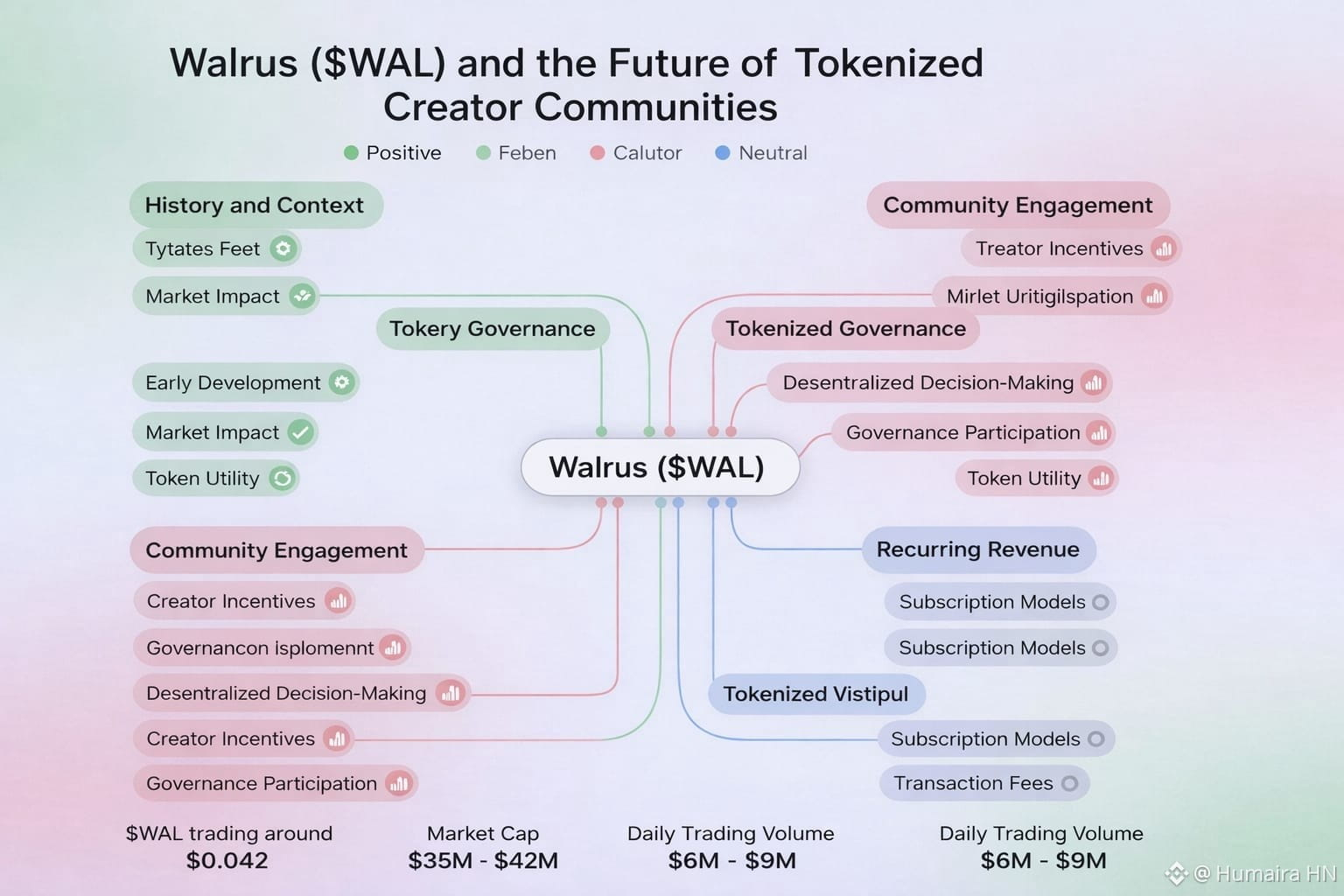
Walrus was launched in 2021 as a next-generation blockchain platform designed to empower creators and communities with tokenized governance, engagement, and monetization tools. The project emerged from the need to provide creators with ownership over their audience relationships and community economies, rather than leaving value extraction to centralized platforms.
The WAL token serves multiple purposes: it enables participation in community governance, incentivizes engagement, and powers creator-led economic interactions. Over the years, Walrus has evolved from a simple token platform into a full ecosystem supporting collaborative projects, fractionalized ownership, and recurring creator revenue streams, positioning itself as a natural infrastructure layer for Creator Pads.
Introduction: Tokenization as a Tool for Sustainable Creator Economies
The modern creator economy demands tools that go beyond ad revenue or single NFT drops. Communities themselves have become valuable, and creators need ways to monetize, engage, and reward their audiences continuously. Walrus provides this through tokenized community economies, where $WAL enables creators to offer membership, voting rights, exclusive content, or micro-incentives that strengthen community engagement. For Creator Pads, Walrus introduces a foundational infrastructure for creator-owned communities. Instead of relying solely on external platforms or third-party marketplaces, creators can design economies around their audiences, making engagement itself a monetizable and sustainable activity.
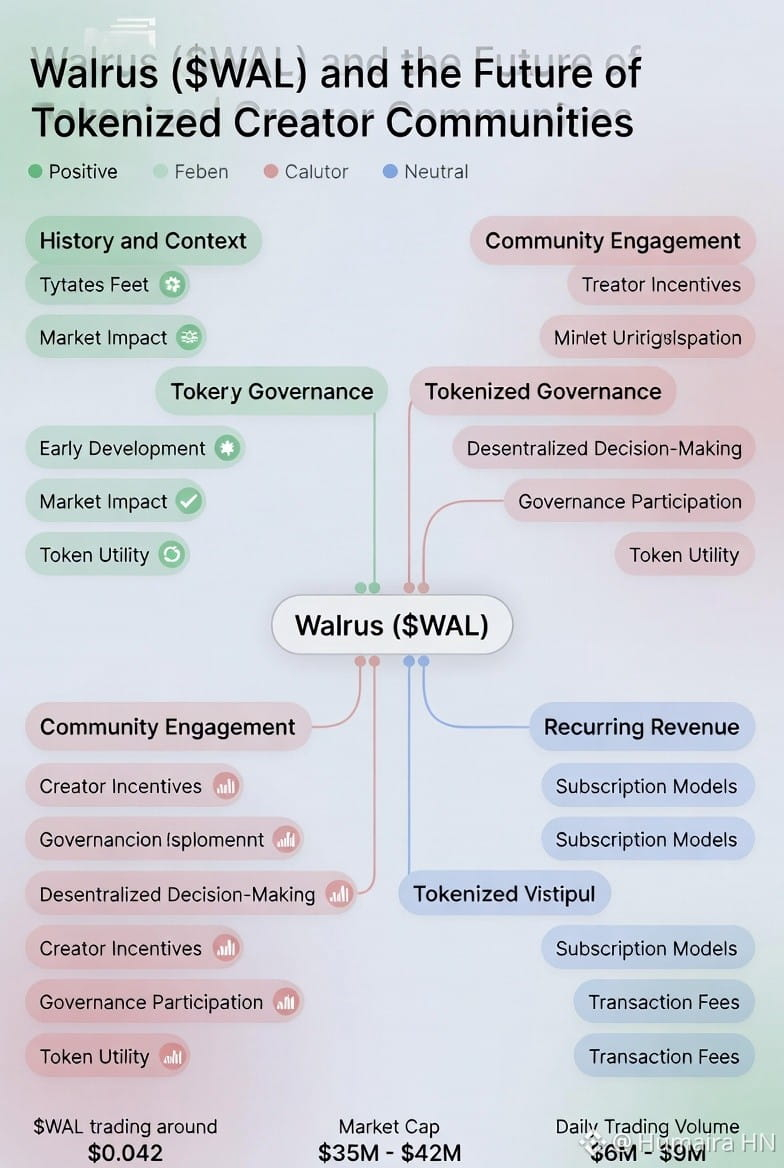
One of Walrus’ defining features is its support for decentralized governance within creator communities. Token holders can vote on community initiatives, feature priorities, and content funding, giving fans a meaningful stake in the creator’s ecosystem. This opens opportunities for Creator Pad projects where communities co-create content or influence creative direction, fostering highly engaged and invested audiences. Governance is not just symbolic; it can dictate revenue splits, reward allocations, and access to limited content, creating a sense of co-ownership that strengthens long-term retention.
Beyond governance, WAL allows creators to implement recurring revenue models in a decentralized manner. Creators can issue tokens tied to memberships, content subscriptions, or in community perks, ensuring predictable income streams without relying on centralized intermediaries. For the Creator Pad ecosystem, these tools reduce reliance on volatile income sources like one-off NFT sales or ad revenue. Instead, creators can build sustainable, recurring revenue mechanisms that scale with community growth and participation.
Walrus enables creators to reward meaningful participation. Fans, collaborators, and contributors can earn WAL for engagement, content promotion, or completing community driven challenges. This shifts the focus from passive consumption to active participation, creating a more resilient and vibrant ecosystem. In practical terms, Creator Pads using Walrus can integrate tokenized incentives to drive behavior that benefits both creators and their audiences, whether that’s voting on content, contributing assets, or promoting projects to broader communities.
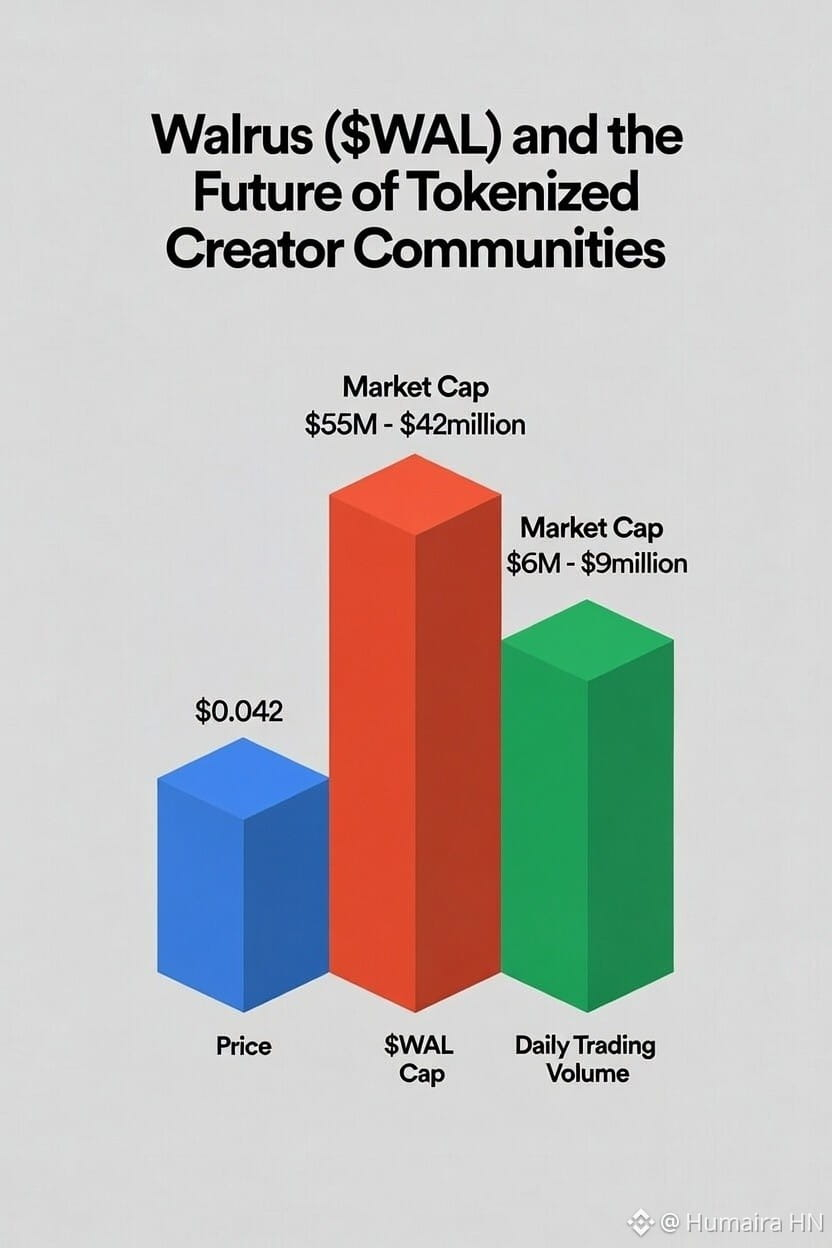
Understanding the market context provides insights into adoption and liquidity. As of February 2026, $WAL trades around $0.042 with a market capitalization estimated between $35 million and $42 million depending on methodology. Daily trading volume ranges from $6 million to $9 million, indicating active participation and sufficient liquidi
ty for community transactions.


On-chain activity shows strong token circulation within creator-driven ecosystems, with low network fees facilitating frequent micro-transactions. These features support real world usage scenarios where communities interact, vote, and transact daily without friction.
Creator Pads thrive when infrastructure empowers creators to own their communities, manage revenue transparently, and incentivize engagement. Walrus provides all three: tokenized governance, community-driven economies, and micro-incentive structures.
By integrating Walrus into Creator Pads, creators can design economies around participation, retain long-term audience loyalty, and monetize engagement sustainably. This makes wal not just a token but an operational tool for building next-generation creator ecosystems.
Conclusion: Building the Next Era of Creator Communities
The future of Web3 creators is community-first, economy-driven, and sustainable. Walrus demonstrates how tokenized systems can turn audiences into collaborators, engagements into revenue, and communities into thriving, decentralized ecosystems.
With @Walrus 🦭/acc and $WAL , Creator Pads can enable creators to take control of their economies, reward meaningful interactions, and scale their impact without sacrificing ownership or autonomy. Tokenized community economies are no longer theoretical—they are a practical foundation for the creator-led networks of the future.