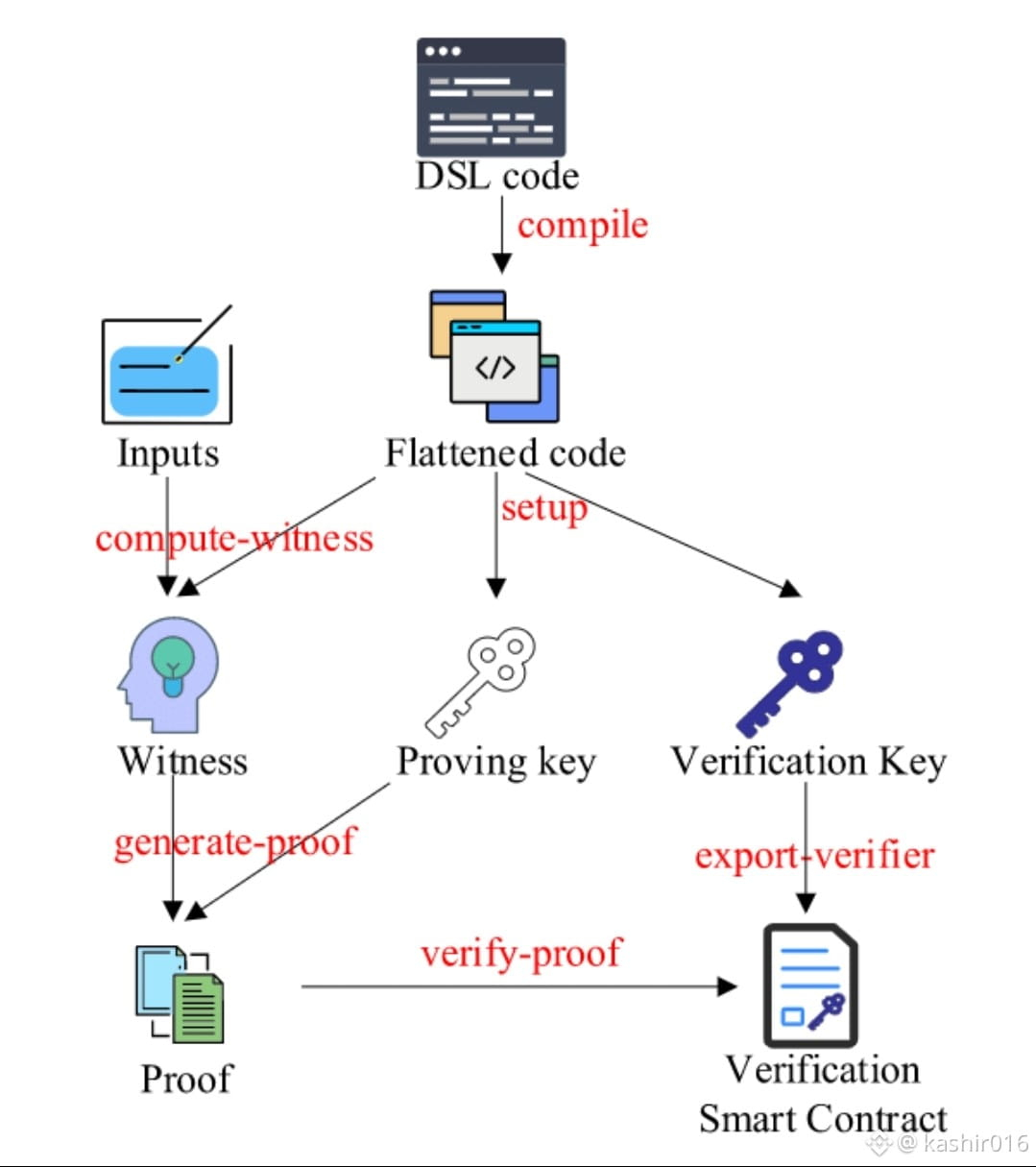
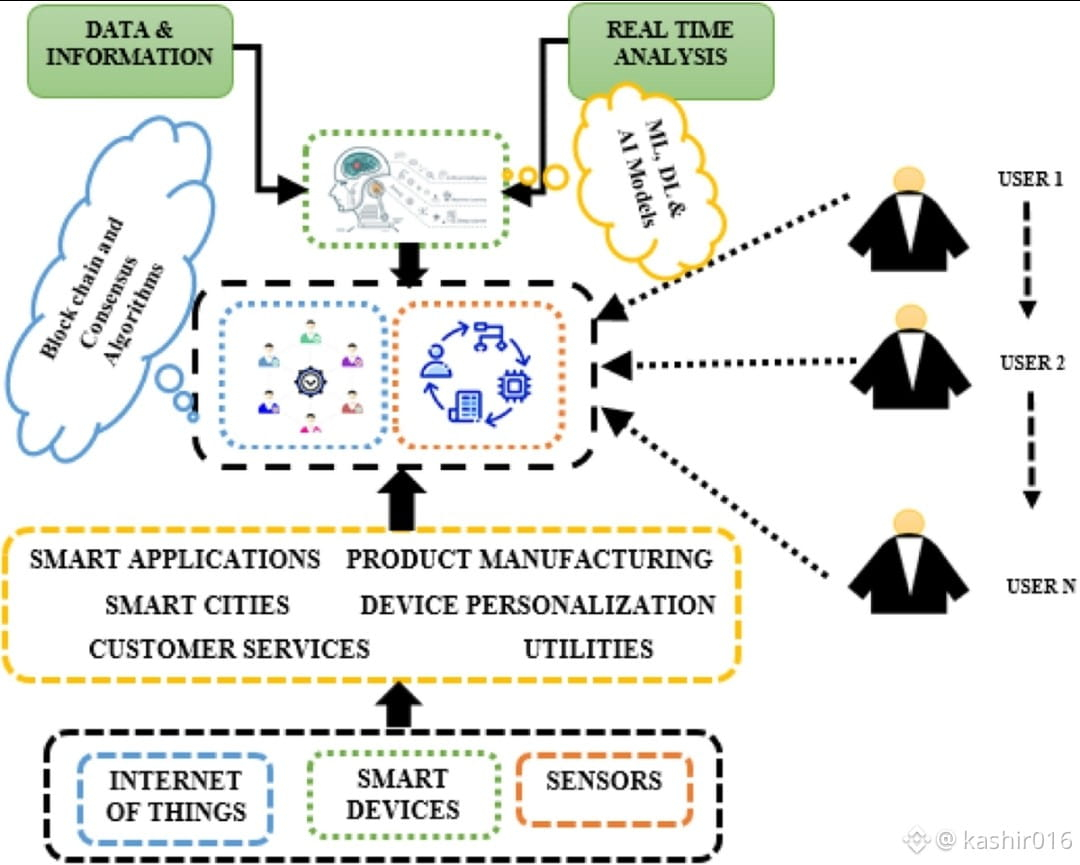
While working through a CreatorPad task on @Dusk , I ran into a moment that didn’t feel dramatic, but stayed with me longer than expected. A small contract state change applied automatically. No loading bar. No clear confirmation. It just… happened.
My cursor paused for a second. Not because something failed, but because nothing announced success either. Out of habit, I opened the advanced view and caught a brief label flicker on screen: “State Shift Pending.” It was gone almost as soon as I noticed it. By then, the wallet had synced and the change was already live.
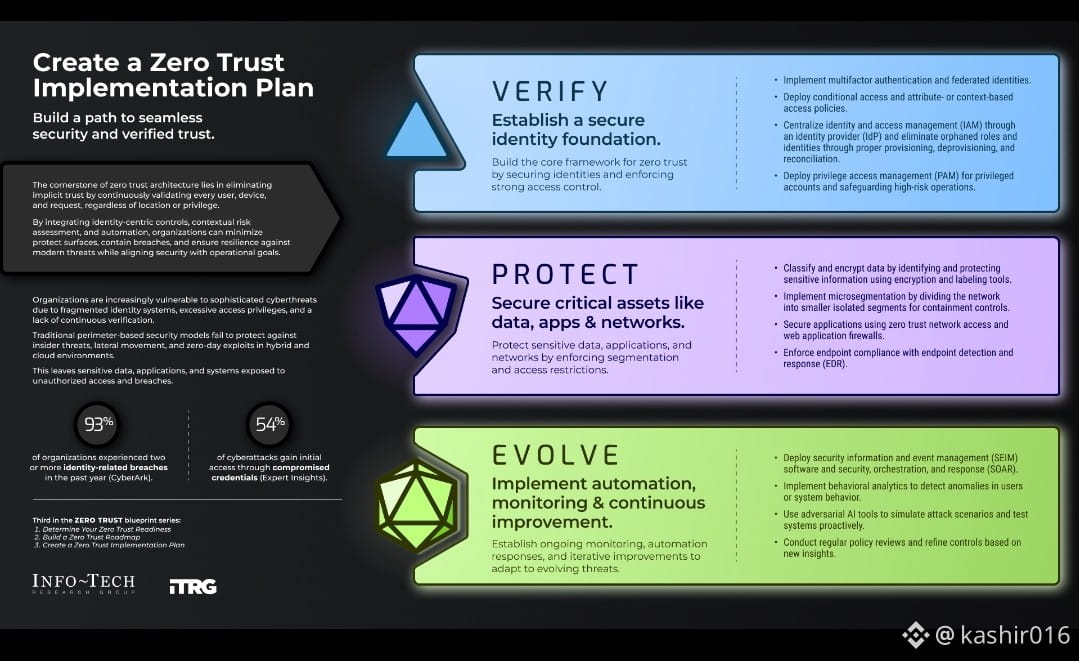
From a technical standpoint, everything worked exactly as intended. Efficient, smooth, frictionless. And yet, I felt that familiar hesitation you get when systems move faster than your ability to observe them. Anyone who’s spent time in fast-moving markets or automated environments knows the feeling. The action completes, but your brain is still asking, Did I miss something?
Dusk clearly leans into automation. For routine actions like reward claims or simple contract updates, that makes sense. Fewer steps mean fewer drop-offs. Most users probably won’t notice what I noticed. They’ll click, move on, and never think twice. In many ways, that’s a sign of good UX.
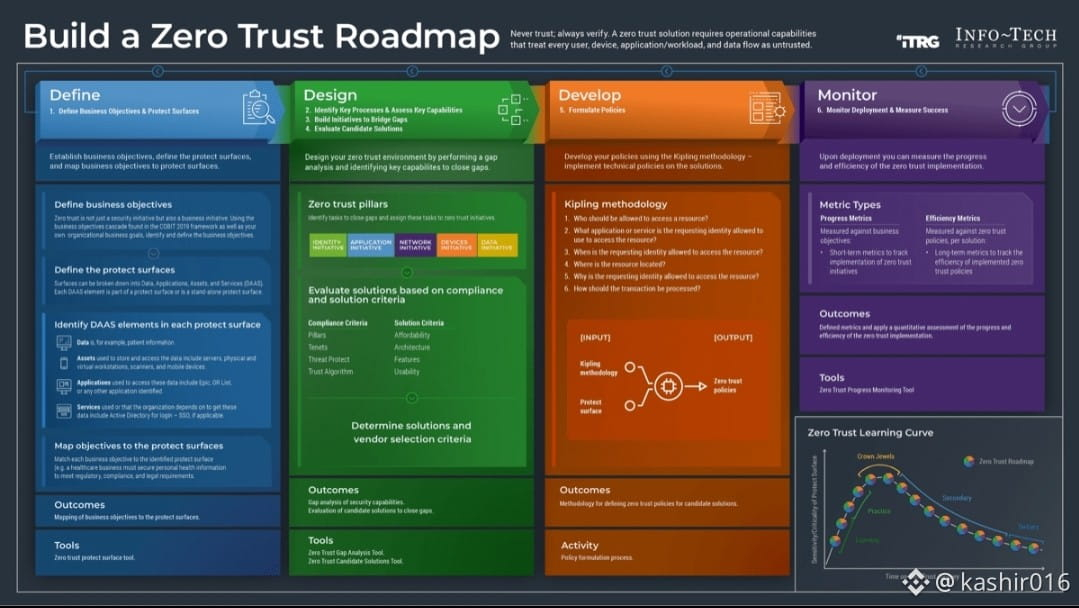
But zero-knowledge systems add another layer to this dynamic. Privacy already limits what you can see by design. When state transitions also happen quietly, the system can start to feel opaque, even if it’s behaving correctly. That doesn’t mean it’s broken. It just means there’s a balance being struck between speed and reassurance.
What lingered for me wasn’t doubt about correctness. It was curiosity about edge cases. How does this feel under congestion? What happens when delegation timing matters, or when conditions aren’t ideal? In those moments, a bit of visible feedback can anchor trust, even if the underlying logic is sound.
This isn’t criticism as much as it’s an observation from use. Dusk feels optimized for efficiency first, and that’s clearly intentional. However, confidence in established systems frequently derives from nuanced indicators, rather than solely from performance. Occasionally, it suffices to be aware of an occurrence, even if the specifics are confidential
Small moments like this are easy to overlook. They’re also where thoughtful systems quietly evolve.