When discussions around Plasma come up, the conversation still tends to drift toward familiar metrics. Speed, throughput, comparisons to other Layer 1s. Those questions aren’t wrong, but they miss what feels most intentional about Plasma’s design. It doesn’t read like a chain trying to win a performance contest. It reads like an attempt to rethink how blockspace behaves when it’s used for payments rather than speculation.
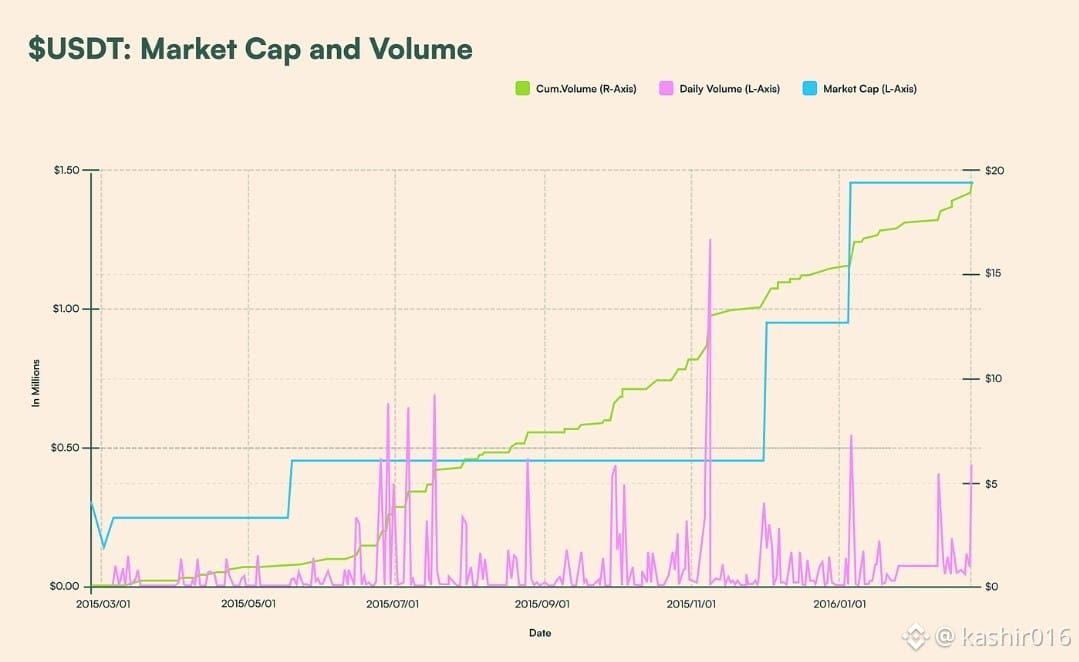
Most blockchains price blockspace as a market. Demand rises, fees spike. Activity drops, fees collapse. That dynamic works if your primary users are traders or yield chasers who accept volatility as part of the game. It becomes a problem when you’re dealing with ordinary financial activity. Payroll, merchant settlements, routine stablecoin transfers don’t tolerate guesswork. Businesses don’t want to time the network to avoid fee surprises. They want consistency.
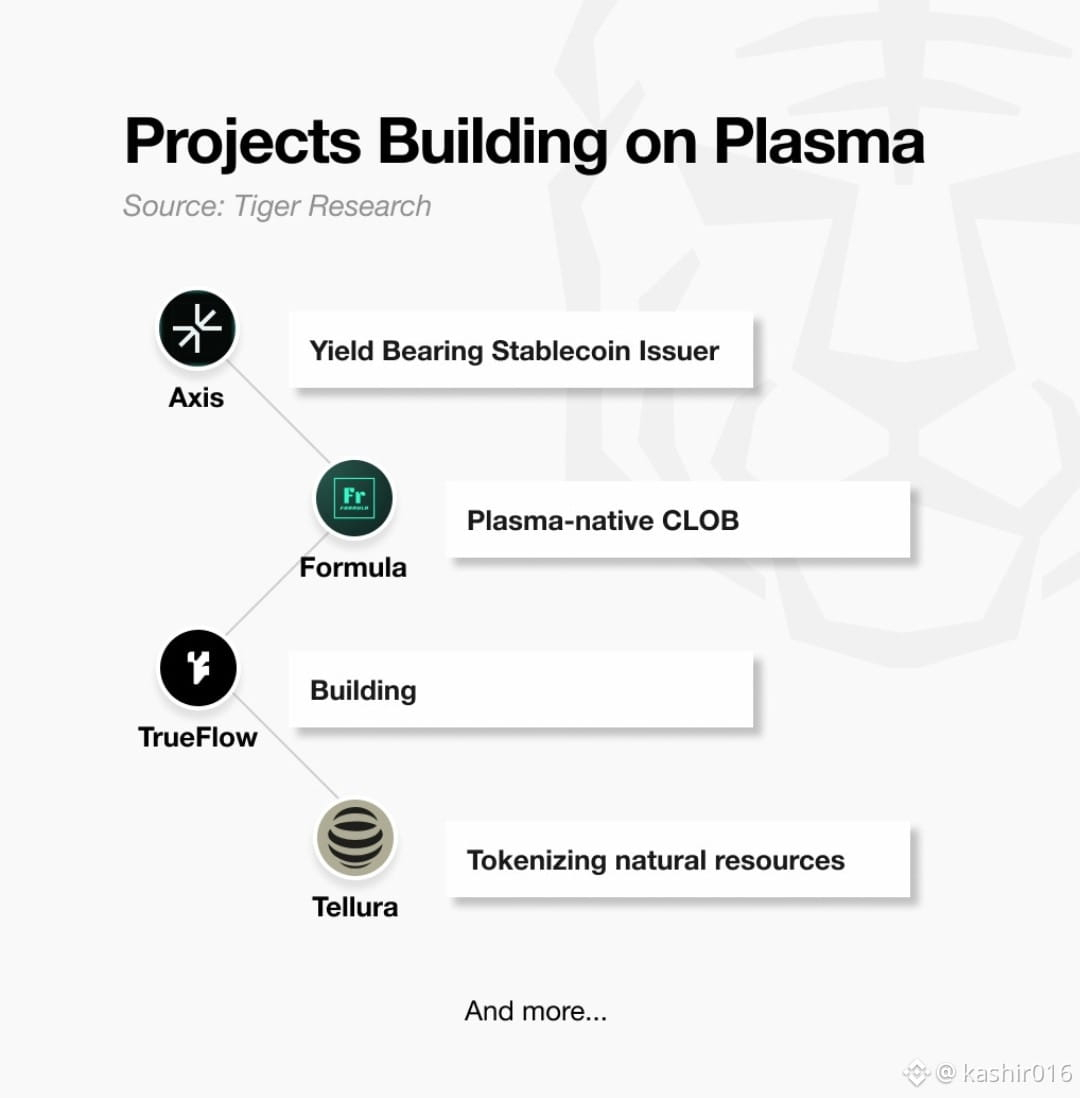
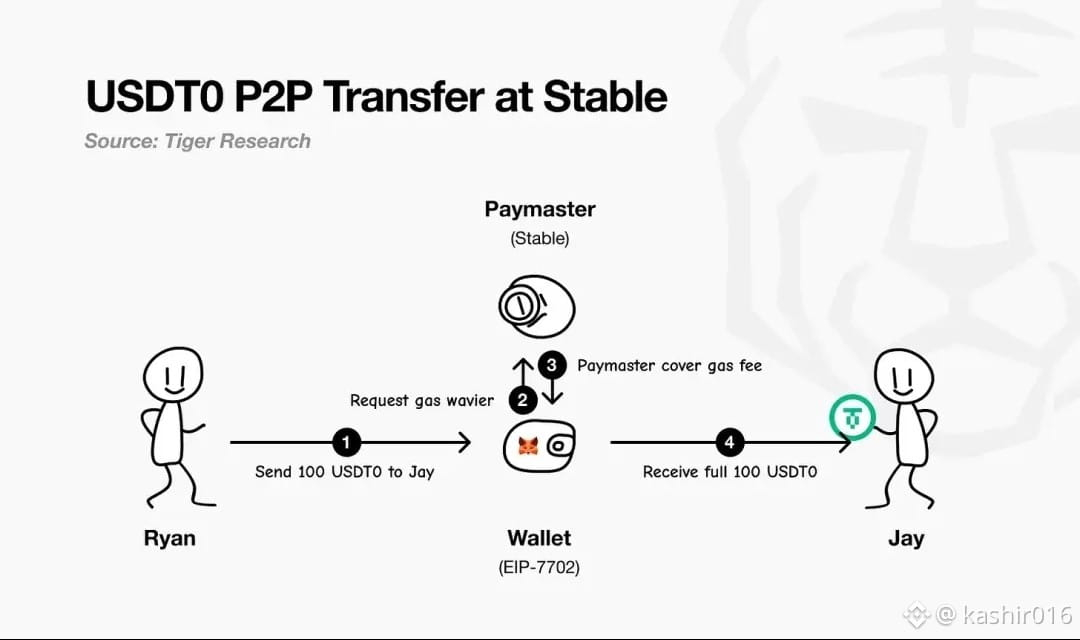
Plasma’s approach to gasless USDT transfers and stablecoin-paid fees quietly changes the mental model. Users stop thinking in abstract tokens and start thinking in fixed costs. Cents instead of volatility. That shift sounds small, but it’s structural. Once fees stop demanding attention, the network starts behaving more like infrastructure and less like a marketplace competing for blockspace.
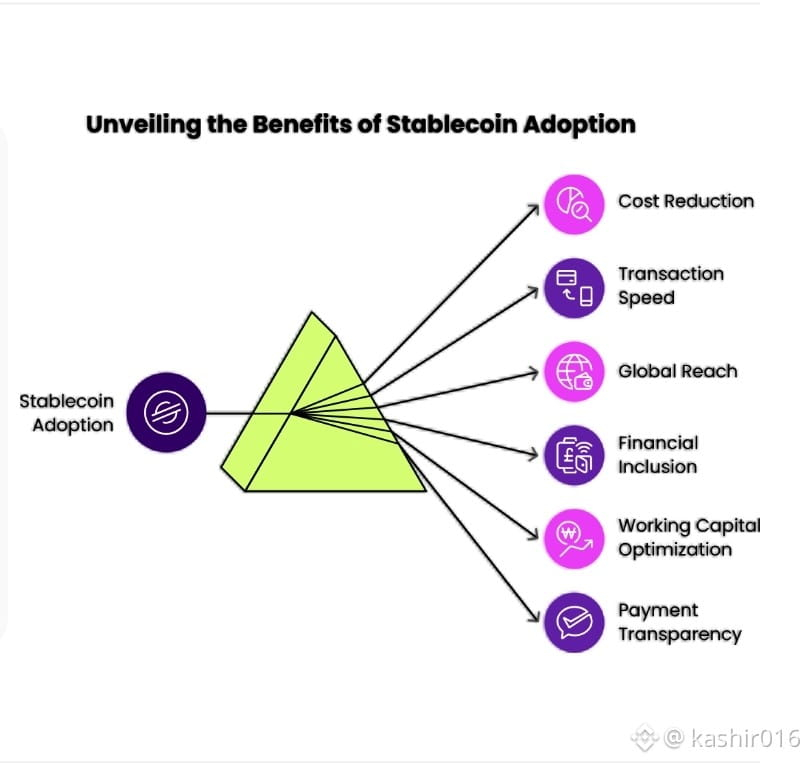
That’s why Plasma feels closer to payment rails than to DeFi platforms. Not because it’s mimicking banks or card networks, but because it optimizes for the same outcome they care about: predictability under stress. When payment systems work, no one praises them. They’re invisible. The moment they fail, trust evaporates.
This design choice isn’t free of trade-offs. If users aren’t directly exposed to volatile gas fees, that complexity doesn’t vanish. It moves. Someone absorbs it. Relayers, infrastructure providers, or entities managing payment flow end up carrying that responsibility. That makes the experience smoother for users, but it also raises questions about influence. Whoever controls those layers can shape access, prioritization, and behavior in subtle ways.
Plasma’s Bitcoin anchoring adds an important counterbalance. Anchoring settlement to Bitcoin introduces an external reference point that isn’t easily negotiable. It signals a desire for a hard foundation beneath the softer UX. Still, anchoring alone doesn’t solve governance or day-to-day power dynamics. Payments history shows that intermediaries matter more than most people realize.
For me, Plasma’s real test isn’t headline features or listings. It’s operational. Do stablecoin transfers stay boring when markets are chaotic? Do fees remain predictable during stress? Does access stay open without quietly becoming permissioned through infrastructure control?
If Plasma succeeds, it likely won’t feel exciting. It won’t dominate timelines. But it might earn something rarer in crypto: trust built through repetition. Sending USDT again and again, across different conditions, and watching it simply work.
For payments, that kind of quiet reliability is the point.