
History of Walrus
I first came across Walrus ($WAL) in 2020, during a period when I was exploring decentralized storage solutions that could actually scale with my creative projects. Unlike most blockchains that focus primarily on speculative transactions or simple token transfers, Walrus was designed to transform on chain storage into usable infrastructure. Its main goal was to provide creators, developers, and communities with reliable, scalable and verifiable storage while keeping operational costs low.
The $WAL token serves multiple functions: it secures storage nodes, governs network protocols, and enables payments for storage services. For me as a creator, this meant I could store and share large files, coordinate collaborative projects and verify ownership and availability of content without relying on traditional centralized systems. Over time, Walrus has grown from an experimental storage layer into a key infrastructure component for creator-focused ecosystems, including Creator Pads that demand transparency and predictability. Since I started using Walrus, I’ve seen firsthand how it reduces redundancy, improves reliability, and allows scalable storage solutions. This makes it not just a blockchain project, but a practical tool that creators can depend on for long-term collaboration and community engagement.
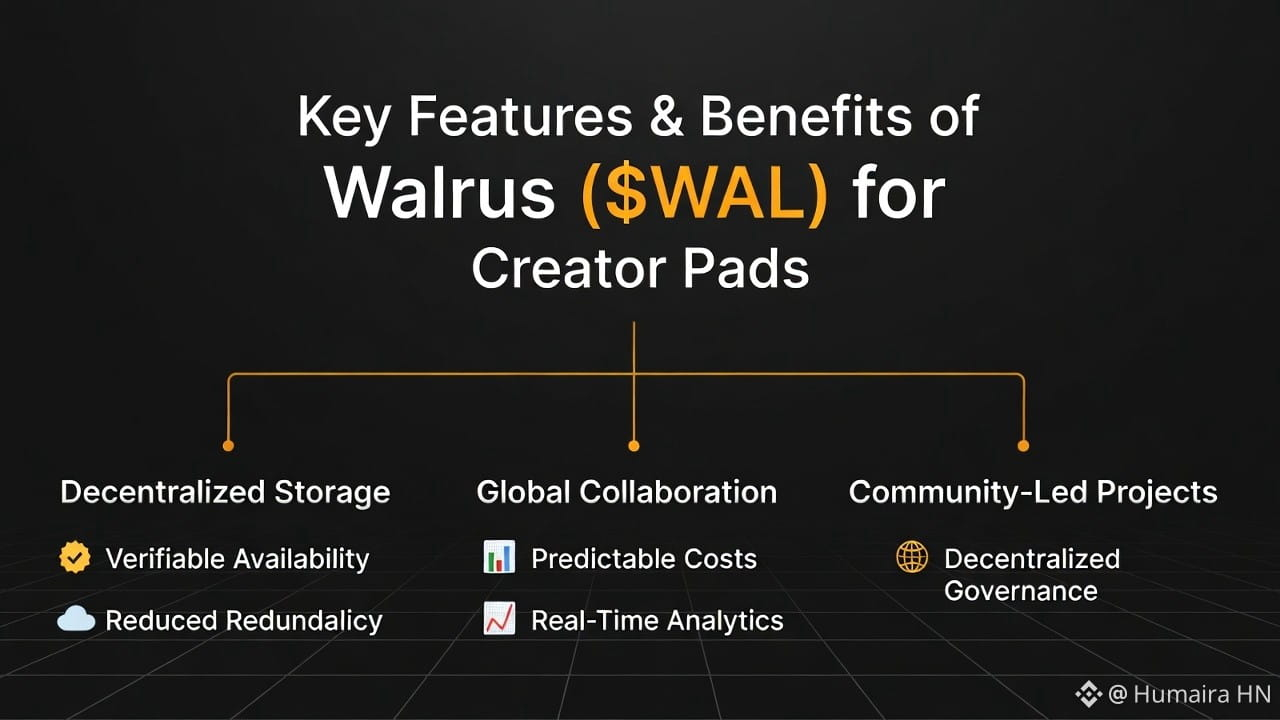
Decentralized Storage as a Creative Asset
One of the most transformative aspects of Walrus for me has been its approach to storage as an independent, functional service. Traditional on-chain storage replicates all data across the network, which increases costs and slows performance as my projects grow. Walrus, however, decouples storage from transaction execution, meaning I can store data efficiently without tying it to every network transaction.
Three features of Walrus that changed the way I manage my Creator Pads are: Erasure coded storage which splits large files into fragments and distributes them across nodes so I never lose content even if parts of the network fail verifiable availability, which gives me cryptographic proof that my data exists and is accessible at any time. Reduced redundancy which dramatically lowers costs while maintaining reliability. Together, these features have redefined how I share assets with collaborators, manage digital content, and ensure long-term durability. By treating storage as a separate, transparent and verifiable service, Walrus allows me to focus on creating and distributing content without worrying about the limitations or failures of traditional on-chain solutions.
Facilitating Global Collaboration
Walrus collaborating with creators across the globe meant juggling multiple storage platforms, file transfers and unpredictable upload/download speeds. With Walrus, I can coordinate large scale projects, share high resolution content, and maintain version control in a fully decentralized manner. For my Creator Pad workflows, this means I can implement collaborative revenue splits, multicreator content drops and transparent project funding directly on chain. Fans, collaborators and contributors can access the content without relying on centralized servers which creates trust and inclusivity within the ecosystem.
I’ve also used Walrus to store early drafts, research materials and beta content. The verifiable and distributed nature of storage allows me to audit contributions and manage intellectual property confidently, ensuring that every participant receives recognition and rewards for their work.
Predictable Costs and Sustainable Scaling
One of the challenges I faced with on-chain storage before Walrus was unpredictable cost scaling. Traditional replication models made storing larger files expensive and slow. Walrus solves this problem with optimized redundancy, selective distribution, and erasure coding, letting me store huge amounts of data without breaking the budget.
For my Creator Pads, this means I can scale collaborative projects reliably, adding more contributors or content without worrying about escalating costs. The predictable cost structure allows me to plan long-term initiatives, launch multi phase campaigns and maintain transparency for all stakeholders.
By lowering both the financial and operational friction of decentralized storage, Walrus allows me to focus on creativity rather than infrastructure constraints, which is essential for growing sustainable creator-led ecosystems.
Real-Time Data Access and Analytics
Walrus also provides real-time analytics and accessibility insights, which helps me monitor how content is being accessed, shared, and used across the network. This level of transparency is critical for designing community incentives, managing collaborator engagement, and optimizing revenue flows within my Creator Pad projects. I can track metrics like file retrieval frequency, contributor activity, and content popularity. These insights allow me to adjust content strategies, reward active participants, and design better collaborative frameworks, all while keeping data integrity intact. For creators like me, this turns storage into an interactive, strategic asset rather than a passive backend service, enabling data driven growth and audience engagement.
Market Data and Trading Context
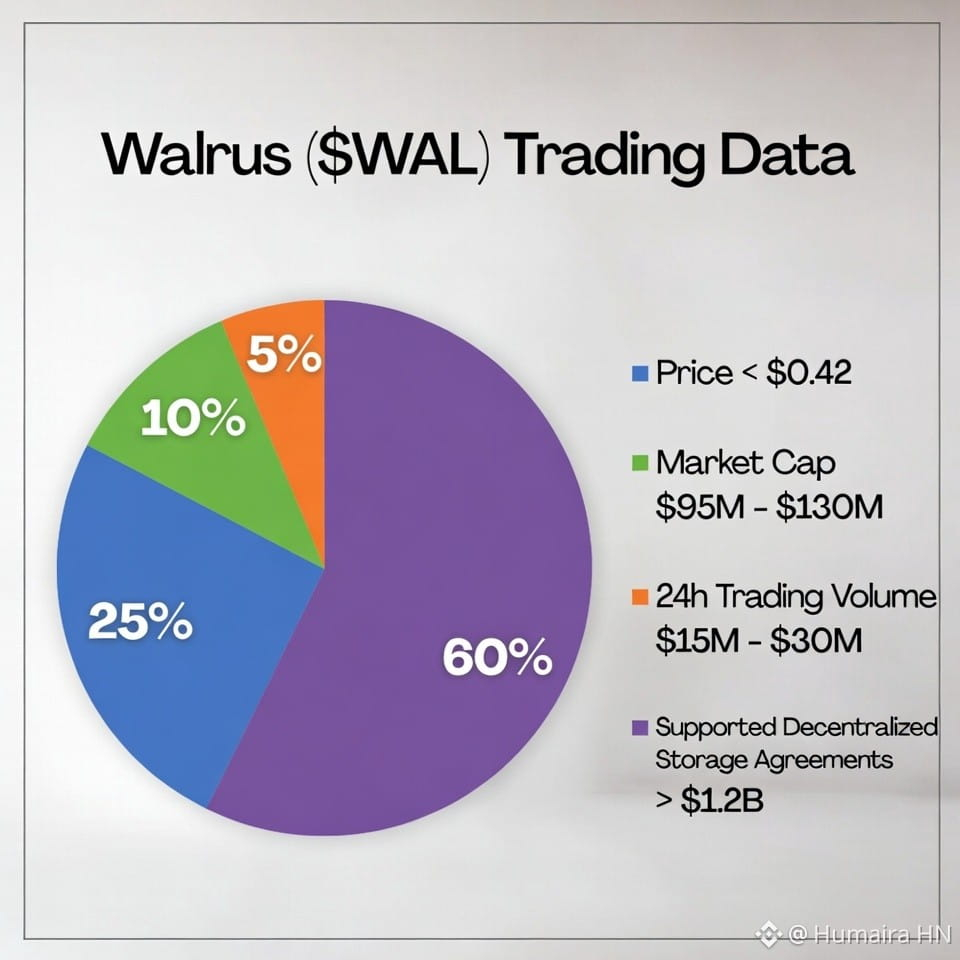
As of 4February 2026, $WAL is trading at approximately $0.42, with a market capitalization ranging between $95 million and $130 million. Daily trading volumes hover around $15 million to $30 million, reflecting healthy liquidity for both storage payments and token trading.


Walrus currently supports over $1.2 billion in decentralized storage agreements, with network fees remaining minimal compared to traditional storage costs. This makes it feasible for me to store large volumes of content, coordinate international collaborations, and maintain verifiable storage records for all my projects.
These figures demonstrate that Walrus is scalable and actively used in real-world applications, making it an essential infrastructure layer for Creator Pad ecosystems.
Enabling Community-Led Creative Projects
One of the aspects I value most about Walrus is its ability to empower community-driven initiatives. Collaborators, fans, and contributors can participate in content creation, project funding, and governance decisions without centralized oversight.
In my Creator Pads, this means I can launch community-backed projects, co-create digital products, and reward participants transparently. Tokenized incentives and verifiable contributions make the ecosystem trustworthy and inclusive, encouraging long-term engagement and co-creation.
By embedding community participation into the infrastructure, Walrus allows me to scale creative projects organically, aligning economic incentives with creative output and audience engagement.
Reducing Technical Barriers for Creators
Decentralized storage often comes with technical barriers, but Walrus makes it intuitive and accessible. I don’t have to manage complex server infrastructure or worry about network replication. Instead, I can focus on designing projects, launching content, and managing collaborations. With Walrus, I’ve implemented multi-layered content distribution, tiered access, and contributor recognition systems directly on-chain. The network handles redundancy, verification, and durability automatically, so I can scale without operational friction. This makes it ideal for Creator Pads looking to support global collaborations, multiple content formats, and sustainable digital ecosystems.
Future Implications for Creator Pads
Looking ahead, Walrus has the potential to redefine how Creator Pads operate globally. Its combination of predictable costs, verifiable storage, decentralized governance and scalable collaboration tools allows creators to run complex projects without relying on centralized systems. For me, this means I can continue building long-term creative ecosystems, launch global initiatives, and reward contributors fairly, all while maintaining transparency and trust. Walrus is not just a storage solution it’s a strategic infrastructure layer that enables creativity, collaboration, and community growth.
Creator Pads that adopt Walrus can leverage its scalability, reliability, and transparency to foster innovative content models, collaborative revenue sharing, and tokenized audience participation, creating sustainable ecosystems for creators and their communities.
Conclusion
Walrus ($WAL) has completely transformed the way I manage storage, collaboration, and creative workflows. Its decentralized architecture, predictable cost structure, and verifiable data availability make it a cornerstone for modern Creator Pads. By integrating $WAL into my projects, I can store content reliably, collaborate globally, and manage communities transparently, all while reducing operational friction and scaling efficiently.
For creators seeking long-term, sustainable and community-driven ecosystems, Walrus is more than a network it’s the foundation for next-generation decentralized creative infrastructure.
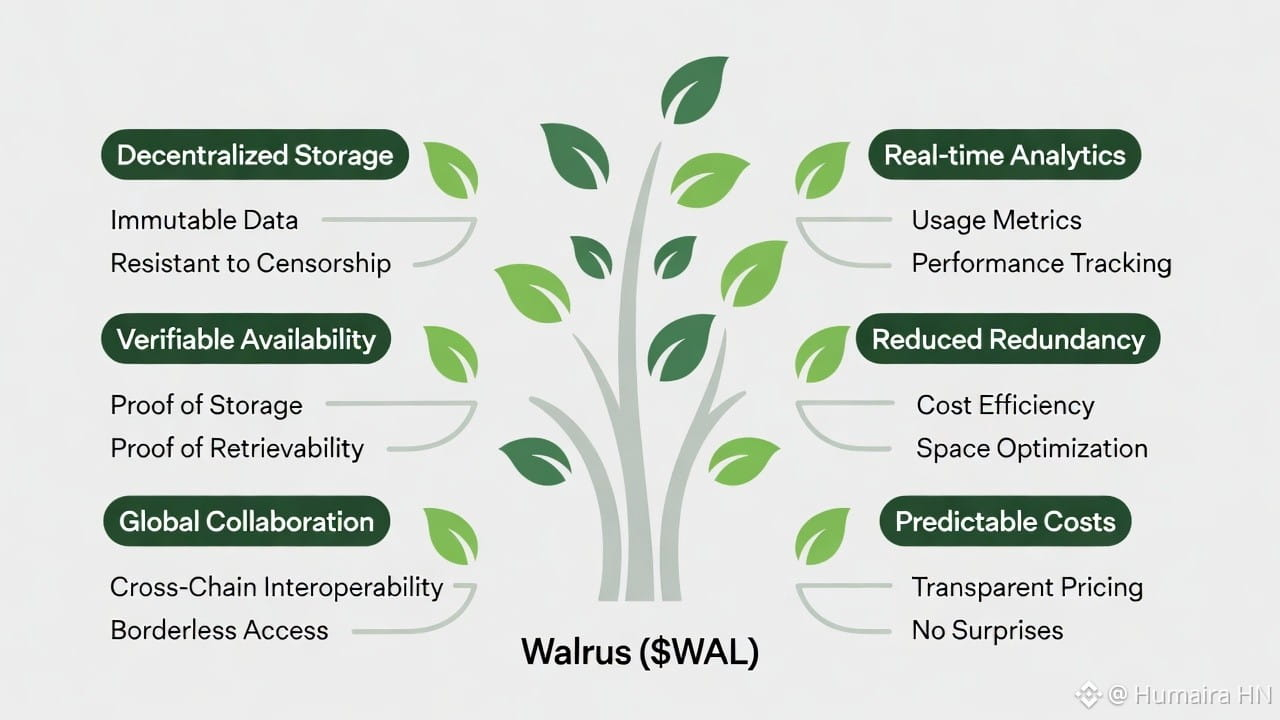
@Walrus 🦭/acc 🦭 $WAL