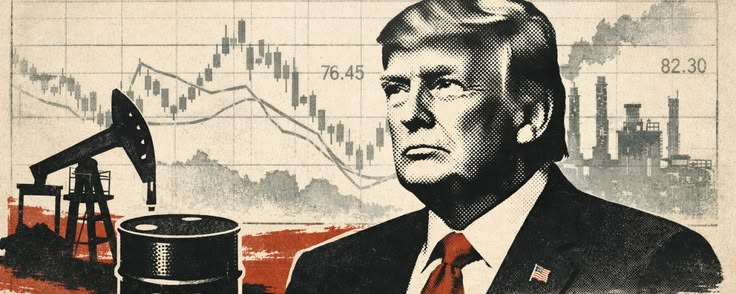
The idea that Donald Trump is seeking a 20% share of Middle East oil revenue has generated significant debate among policymakers, investors, and energy market observers. While such a proposal would be highly unconventional in international relations, it reflects broader discussions about how the United States should balance its military commitments, economic interests, and strategic partnerships in the Middle East.$BNB
Supporters of the concept argue that the United States has invested substantial resources in maintaining security and stability across key energy-producing regions. For decades, the U.S. military has helped protect critical shipping routes, deter regional conflicts, and ensure the uninterrupted flow of oil through strategic chokepoints such as the Strait of Hormuz. From this perspective, proponents believe that America should receive a greater economic return for the costs associated with safeguarding global energy supplies.
One potential objective behind such a proposal would be to offset government expenditures. The United States has spent billions of dollars on military operations and security initiatives in the Middle East over several decades. Advocates may argue that securing a portion of regional oil revenues could help compensate taxpayers for these long-term commitments and reduce pressure on federal budgets.
Another objective could be strengthening America's energy and economic position. Oil remains one of the world's most important commodities, influencing inflation, transportation costs, manufacturing expenses, and overall economic growth. A revenue-sharing arrangement could theoretically provide the U.S. government with additional resources while enhancing its influence over global energy markets. Such a move could also be presented as a way to support domestic priorities, including infrastructure development, energy security, or debt reduction.$XRP
The proposal may also serve a political purpose. Donald Trump has frequently emphasized an "America First" approach, arguing that U.S. foreign policy should deliver tangible benefits to American citizens. Suggesting that allies or partners contribute more financially for U.S. support aligns with this broader philosophy. The idea could resonate with voters who believe the United States has carried a disproportionate share of international security responsibilities without receiving sufficient economic returns.
However, implementing such a proposal would face major challenges. Middle Eastern oil-producing nations are sovereign states with control over their natural resources. Any attempt to claim a direct share of oil revenue would likely encounter strong political resistance from regional governments. Many countries would view such demands as interference in their economic affairs and a challenge to their national sovereignty.
The proposal could also affect diplomatic relationships. Strategic partnerships between the United States and major oil producers are built on cooperation, mutual interests, and long-term agreements. A revenue-sharing demand might create tensions, complicate negotiations, and encourage some countries to seek alternative partnerships with other global powers.$USDC
Global energy markets could also react negatively to uncertainty surrounding oil-producing regions. Investors generally prefer stable and predictable policies. Any dispute involving oil revenues could increase volatility in crude oil prices, affecting businesses, consumers, and financial markets worldwide.
In conclusion, the proposal to secure a 20% share of Middle East oil revenue appears rooted in objectives such as recovering security-related costs, enhancing U.S. economic interests, and advancing an America-first political message. While supporters may view it as a way to generate value from decades of regional involvement, significant legal, diplomatic, and economic obstacles would make such a policy difficult to implement and potentially controversial on the global stage.
#TrumpSeeks20%MiddleEastOilRevenue