
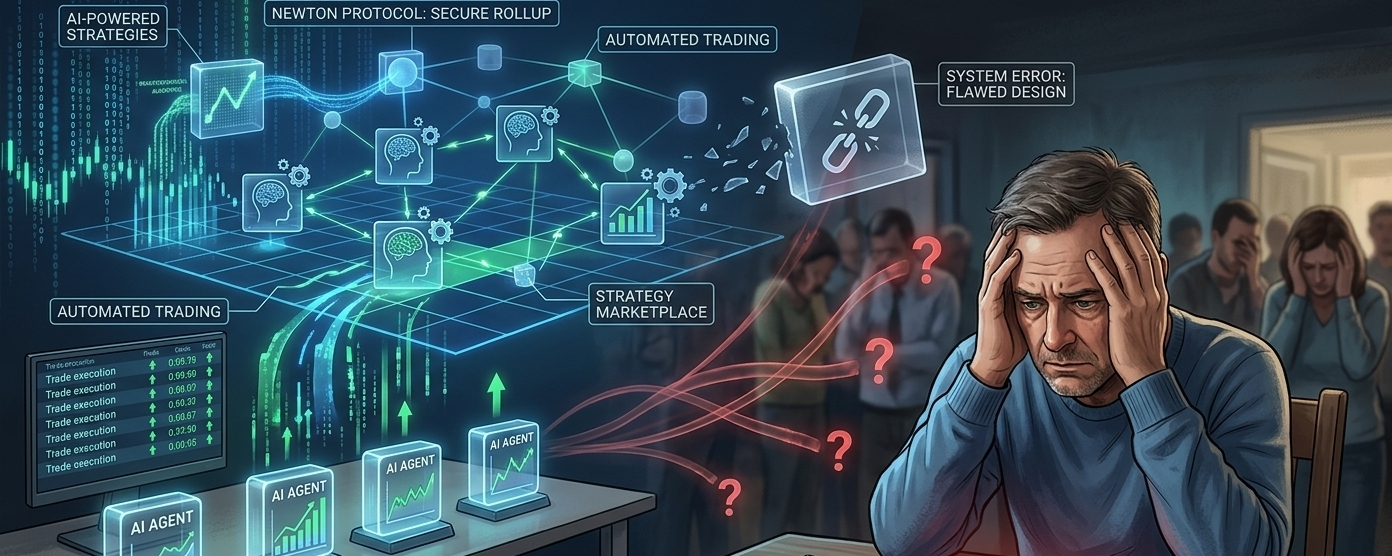
Lately, I've been thinking about how quickly AI is changing. It feels like we've gone from using it as a tool to letting it make decisions on our behalf. That's what made Newton Protocol catch my attention. A secure rollup built for AI-powered strategies, automated trading, and a marketplace where developers can create and share AI agents sounds incredibly ambitious. It feels like the kind of infrastructure that could make AI more practical, more open, and less dependent on a handful of centralized platforms. At first, it honestly felt like a glimpse of where technology is heading.
But the more I sat with the idea, the more one question kept coming back.
What happens when an AI agent makes a decision that causes real damage?
It's easy to picture the upside. An AI can react faster than any human, stick to a strategy without emotion, and process huge amounts of information in seconds. That's impressive. But markets have never been predictable. They move because of fear, rumors, unexpected events, and sometimes plain human panic. AI can analyze patterns, but it can't remove uncertainty from the world.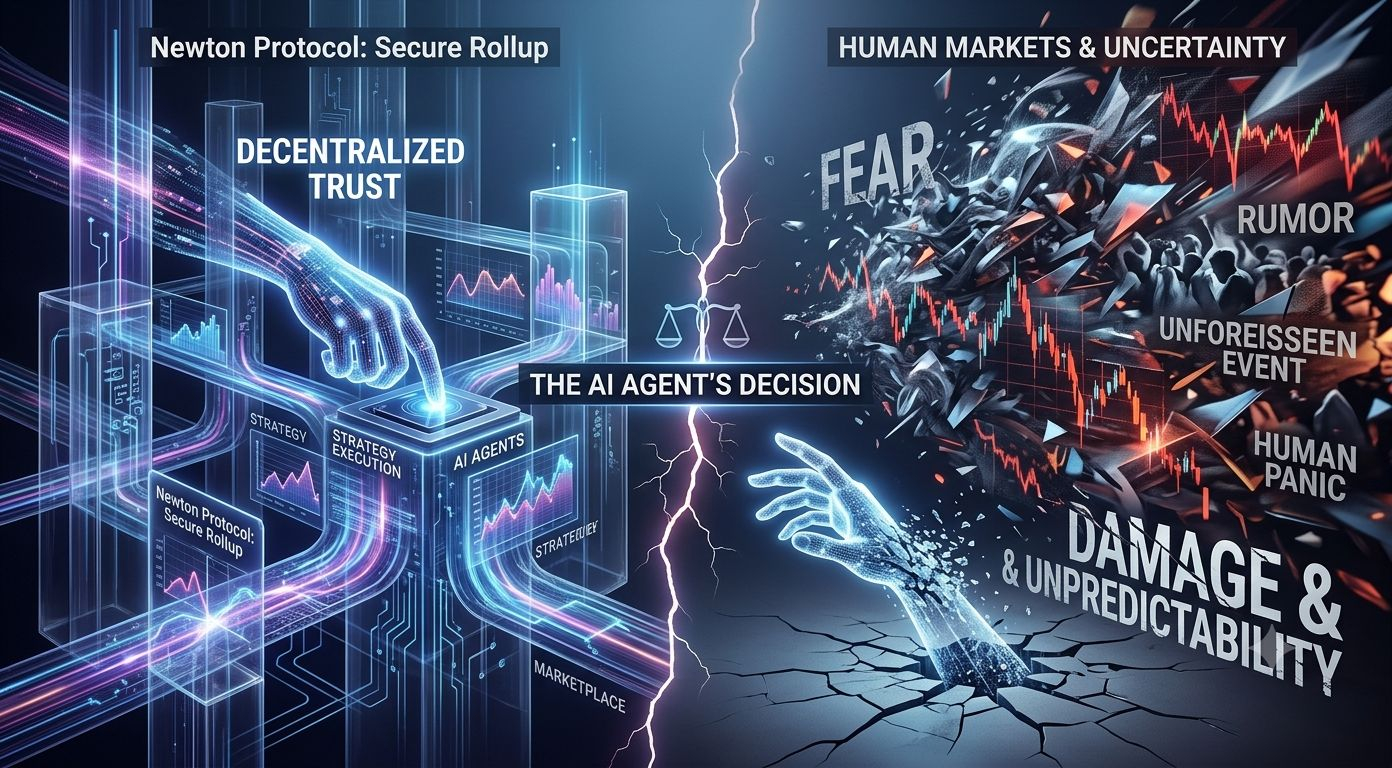
That's the part I can't stop thinking about.
If an AI follows every instruction it was given and still ends up causing massive financial losses, who is actually responsible? Is it the developer who built the strategy? The person who decided to use it? The protocol that made it possible? Or does responsibility somehow become blurry because the final decision came from code instead of a person?
The technology makes automation look simple.
Responsibility isn't nearly that simple.
I also keep thinking about the people on the other side of these systems. Every winning trade usually means someone else is losing. Every automated strategy is being trusted by people who may never fully understand how it works. Most users won't read technical papers or learn the details of rollups. They'll see words like secure, intelligent, and AI-powered, and naturally assume that also means safe.
But those aren't the same thing.
A system can be secure and still make bad decisions. Automation can remove hesitation, but it can't remove consequences. A marketplace for AI agents can encourage incredible innovation, but it can also spread strategies that behave in ways nobody expected once real money and real emotions are involved.
Then I start wondering about bigger situations.
What happens if thousands of people end up relying on the same AI logic during a market crash? What if an AI behaves exactly the way it was designed to, only for everyone to realize later that the design itself was flawed? And when that happens, does everyone point somewhere else? The developer blames the user. The user blames the protocol. The protocol blames the algorithm. The algorithm can't answer at all.
That thought stays with me far longer than the technical details ever do.
I still think Newton Protocol is exploring a genuinely exciting direction. I understand why people are optimistic about it, and I probably would have been too if I hadn't kept asking myself these questions. But excitement has a habit of pushing difficult conversations into the future. History has a way of reminding us that the future usually arrives much sooner than we expect.
In the end, I don't think the real test of AI infrastructure is how well it performs when everything goes according to plan. The real test begins when something goes terribly wrong, and everyone starts asking the same question:
Who's willing to take responsibility?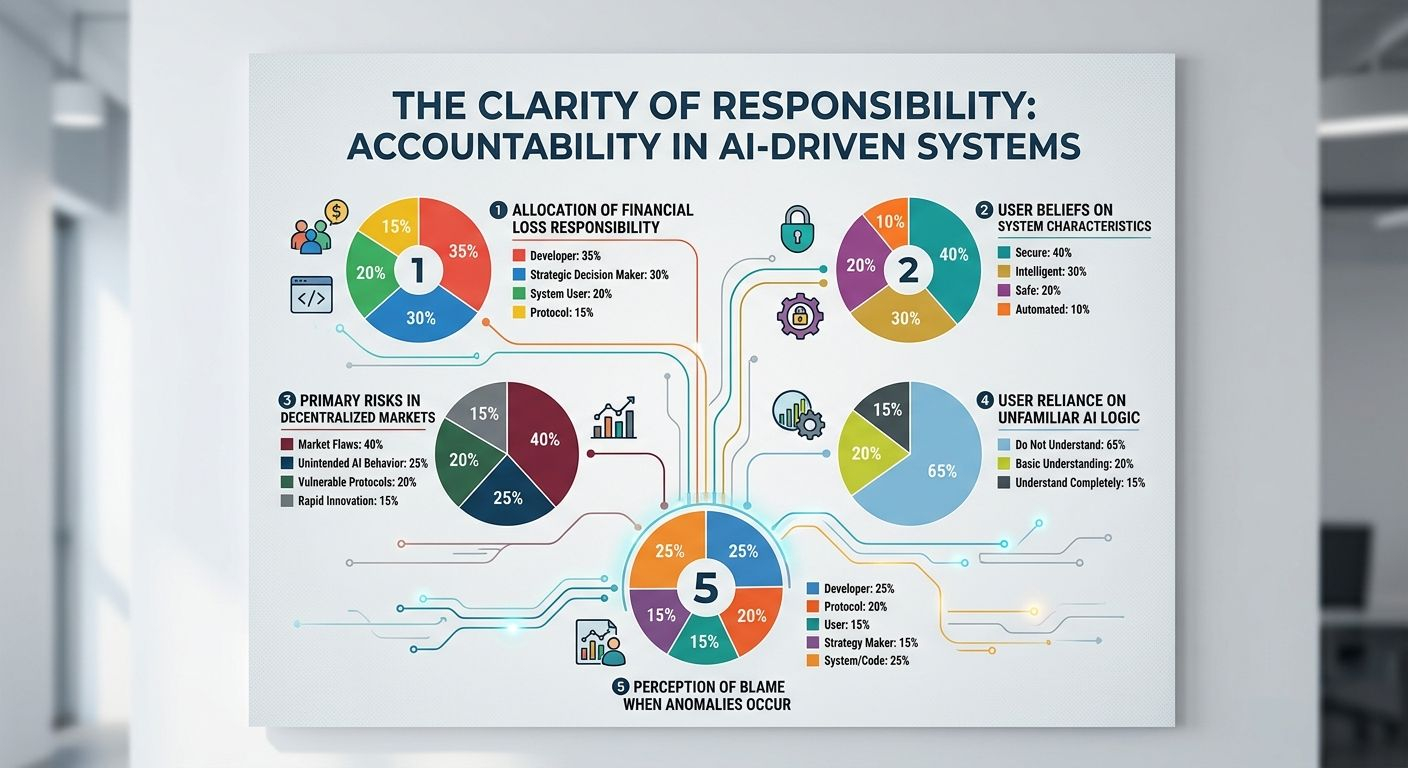
@NewtonProtocol #Newt #newt $NEWT
