
#Newt -The Apple, the Algorithm, and the Missing Layer
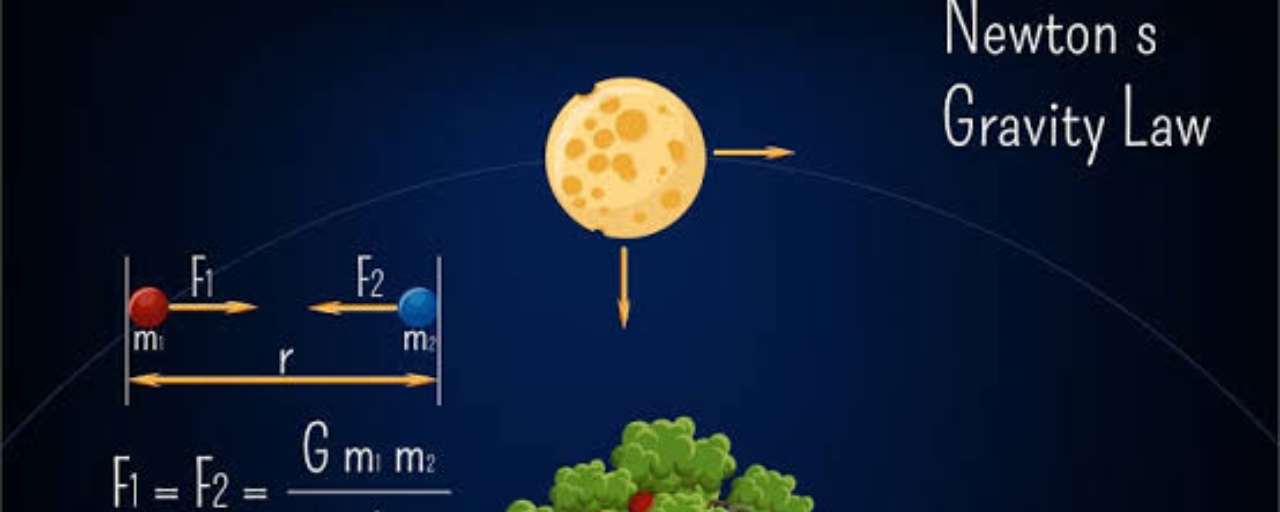
In 1666, a falling apple supposedly led Isaac Newton to ask a simple question: why? That question helped explain one of the most fundamental forces in nature. Whether the apple literally fell on his head or not almost doesn’t matter — what matters is the idea that sometimes discoveries don’t create something new, they reveal something that was always there.
Lately, I’ve been thinking about that while watching crypto evolve.
We often describe crypto as a revolution built on freedom. Freedom to hold your own assets. Freedom to transact without permission A system designed to remove reliance on banks and intermediaries. The idea itself didn’t start with crypto — earlier experiments like e-cash in the 90s already tried to break that model Then Bitcoin arrived and gave it the first working version: permissionless money that can move globally without asking anyone.
But somewhere along the way, that idea became tangled again with the very systems it was meant to bypass. Regulation, centralized access points, compliance layers — all slowly reintroduced new forms of permission.
And today, July 1st 2026, millions of European users are again reminded of that reality as exchanges adjust services under MiCA requirements. Whether you see that as progress or restriction, it highlights something simple: if your access to crypto depends on centralized platforms, then access can still be shaped externally.
So naturally, people move toward DeFi — the “decentralized” alternative.
But even there, things aren’t as clean as the narrative suggests.
Over the past years we’ve seen major DeFi incidents — Euler Finance, Mango Markets,Aave and multiple vault-related exploits across the ecosystem. Billions have flowed through vault strategies, yet the rules that define risk — leverage limits, counterparty exposure, compliance checks — are often fragmented, offchain, or inconsistently enforced. Even large, mature protocols haven’t been immune.
So the question becomes: if capital keeps flowing into vaults, where is the enforcement layer that actually governs behavior before execution?
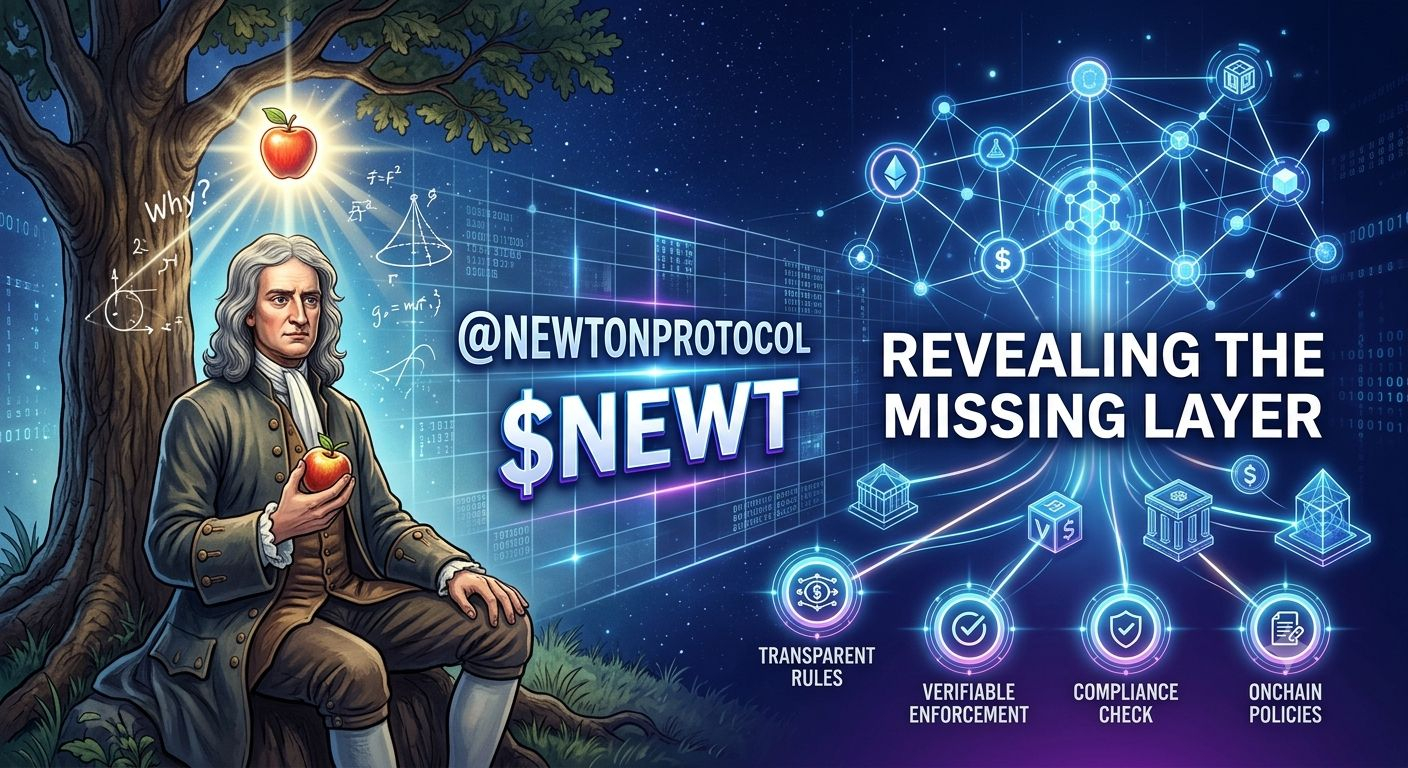
That’s where @NewtonProtocol enters the picture.
Instead of analyzing transactions after the fact, Newton focuses on what happens before execution Transactions are evaluated against predefined policies — compliance, identity, security, and risk — and only proceed if they meet those conditions. The result is an onchain authorization decision: approve or reject before settlement.
That shift feels important. Not because it removes risk entirely — nothing does — but because it moves decision-making from after-the-fact observation to pre-execution enforcement.
Maybe that is the missing layer.
Freedom doesn’t necessarily mean the absence of rules. It means rules are transparent, consistent, and enforced without relying on hidden processes or centralized discretion In that sense, the real question isn’t whether rules exist — it’s where they live, and who enforces them.
Isaac Newton helped explain an invisible force shaping the physical world. Newton Protocol is trying to make the invisible rules shaping onchain finance explicit and enforceable at the moment of action.
If DeFi is going to scale into institutions, RWAs, stablecoins, and even AI-driven agents, then this kind of pre-execution authorization layer might end up being more important than yet another vault or yield strategy.
