
Что такое биткойн-банкомат?
Биткойн-банкомат (автоматический терминал) - это специализированный киоск, который позволяет пользователям покупать и иногда продавать биткойны и другие криптовалюты за наличные, аналогично тому, как банковский банкомат обрабатывает фиатные валюты. Но в отличие от банковского банкомата, он не подключен к банковскому счету; вместо этого он взаимодействует с блокчейном биткойна и криптовалютной биржей.
⚙️ Как работают биткойн-банкоматы шаг за шагом
1. Требования к кошельку пользователя
Чтобы использовать биткойн-банкомат, вам сначала нужен криптокошелек (программный или аппаратный), который может принимать биткойны.
Этот кошелек имеет публичный адрес получения, который отображается как QR-код, который вы сканируете в банкомате.
2. Вставьте наличные (или дебетовую карту)
Вы вставляете наличные (например, кенийские шиллинг) в машину.
Затем банкомат конвертирует эту стоимость в Биткойны по текущему рыночному курсу (часто с премиальной платой).
3. Исполнение транзакции
Банкомат отправляет купленные Биткойны напрямую на ваш адрес кошелька через блокчейн.
Эта транзакция записывается в блокчейне и подтверждается сетью Биткойн.
4. Чек и подтверждение
Вы получаете чек транзакции и также можете получить код подтверждения или SMS в зависимости от машины.
Многие банкоматы требуют подтверждения личности (KYC) для больших сумм, чтобы соответствовать правилам по борьбе с отмыванием денег.
🔄 Функциональность покупки и продажи
Односторонние банкоматы: Позволяют только покупать Биткойны за наличные.
Двухсторонние банкоматы: Позволяют также продавать Биткойны за наличные.
Эта функция не всегда доступна и зависит от модели и оператора.
🧠 Ключевые технические характеристики
📊 Взаимодействие с блокчейном
Биткойн-банкоматы не хранят ваши Биткойны; они инициируют транзакции в блокчейне, которые затем распространяются по децентрализованной сети.
Средства передаются от одного пользователя к другому между ликвидным пулом оператора банкомата (или биржей) и вашим кошельком.
🔐 Безопасность и соответствие
Транзакции используют криптографию с открытым ключом; вы контролируете закрытый ключ через ваш кошелек; банкомат просто облегчает передачу.
Недавние тенденции подталкивают к обязательной проверке удостоверений (KYC), чтобы соответствовать глобальным нормативным стандартам по борьбе с отмыванием денег.
💸 Сборы и затраты
Биткойн-банкоматы часто взимают значительные сборы (премия сверх рыночной цены) по сравнению с онлайн-биржами.
Типичные затраты могут значительно варьироваться, в зависимости от ликвидности и оценки риска со стороны оператора банкомата.
📍 Пример: Биткойн-банкомат в Найроби
Один из наиболее распространенных Биткойн-банкоматов в Кении установлен в торговом центре Two Rivers Mall в Найроби, Кения, в частности, в общественных зонах первого этажа рядом с банковскими банкоматами, такими как NCBA Bank.
На прошлой неделе я посетил Кению и отлично провел время, посетив место, где расположен Биткойн-банкомат в Кенха, Найроби в торговом центре Two Rivers.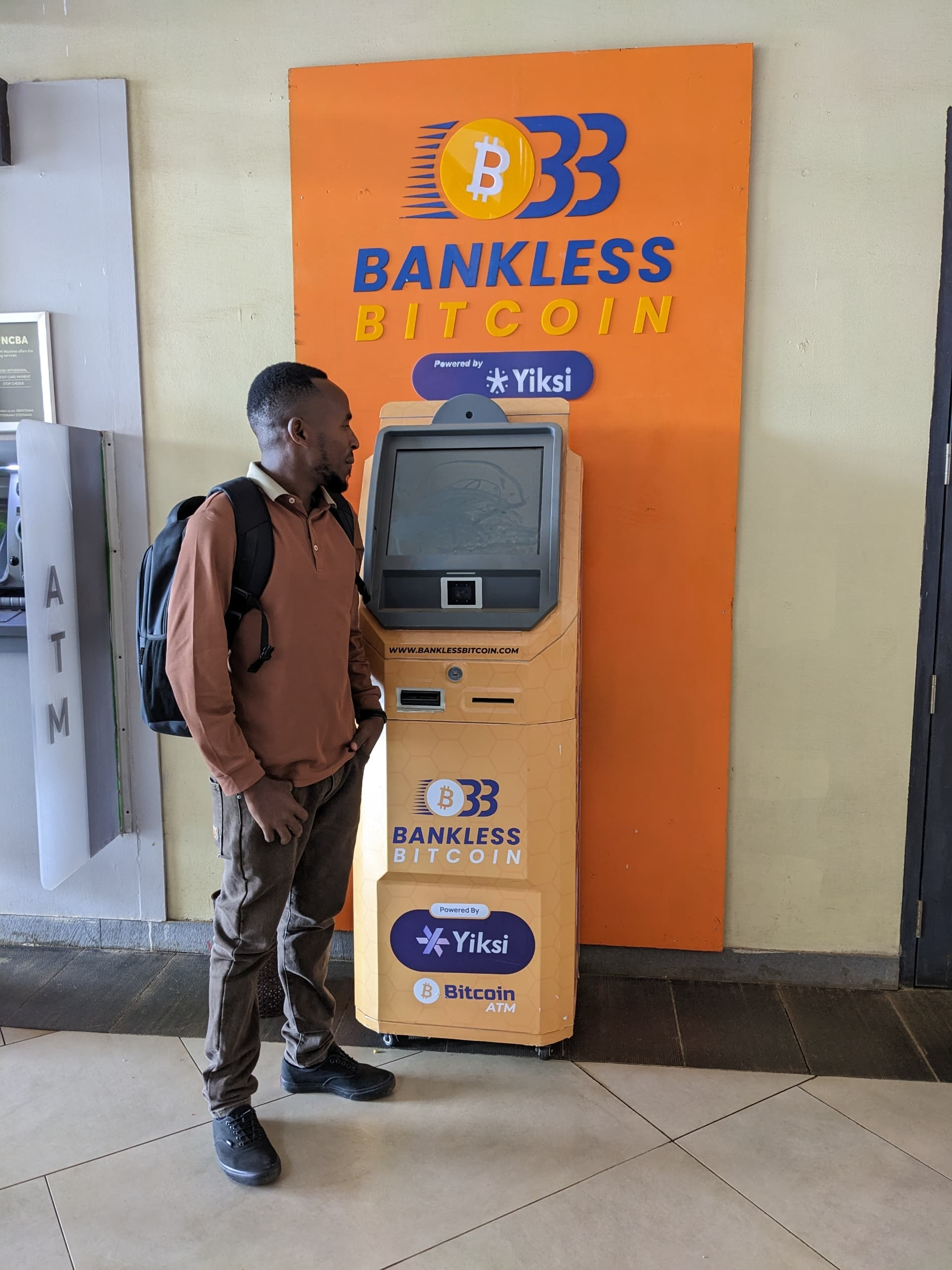
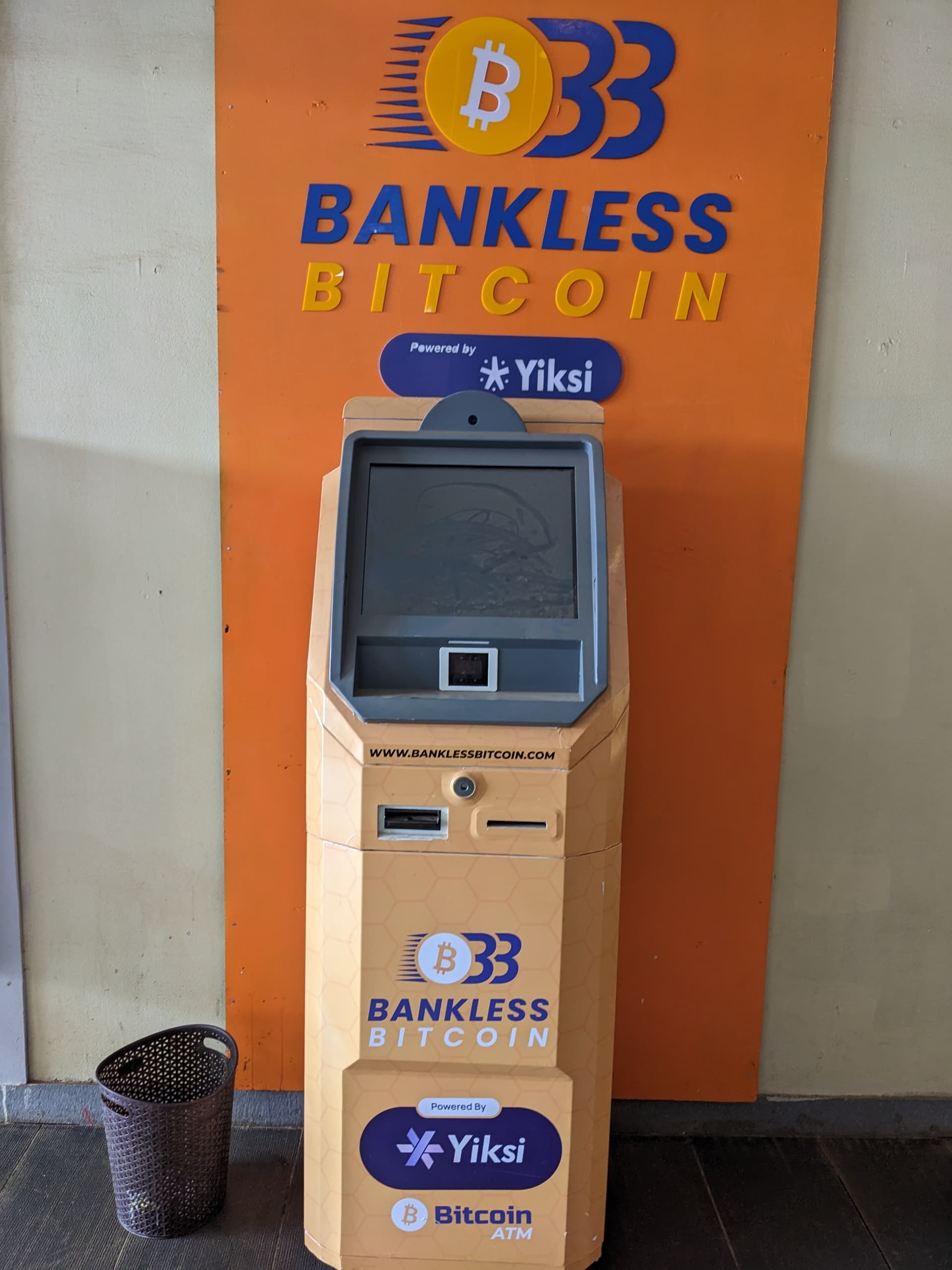
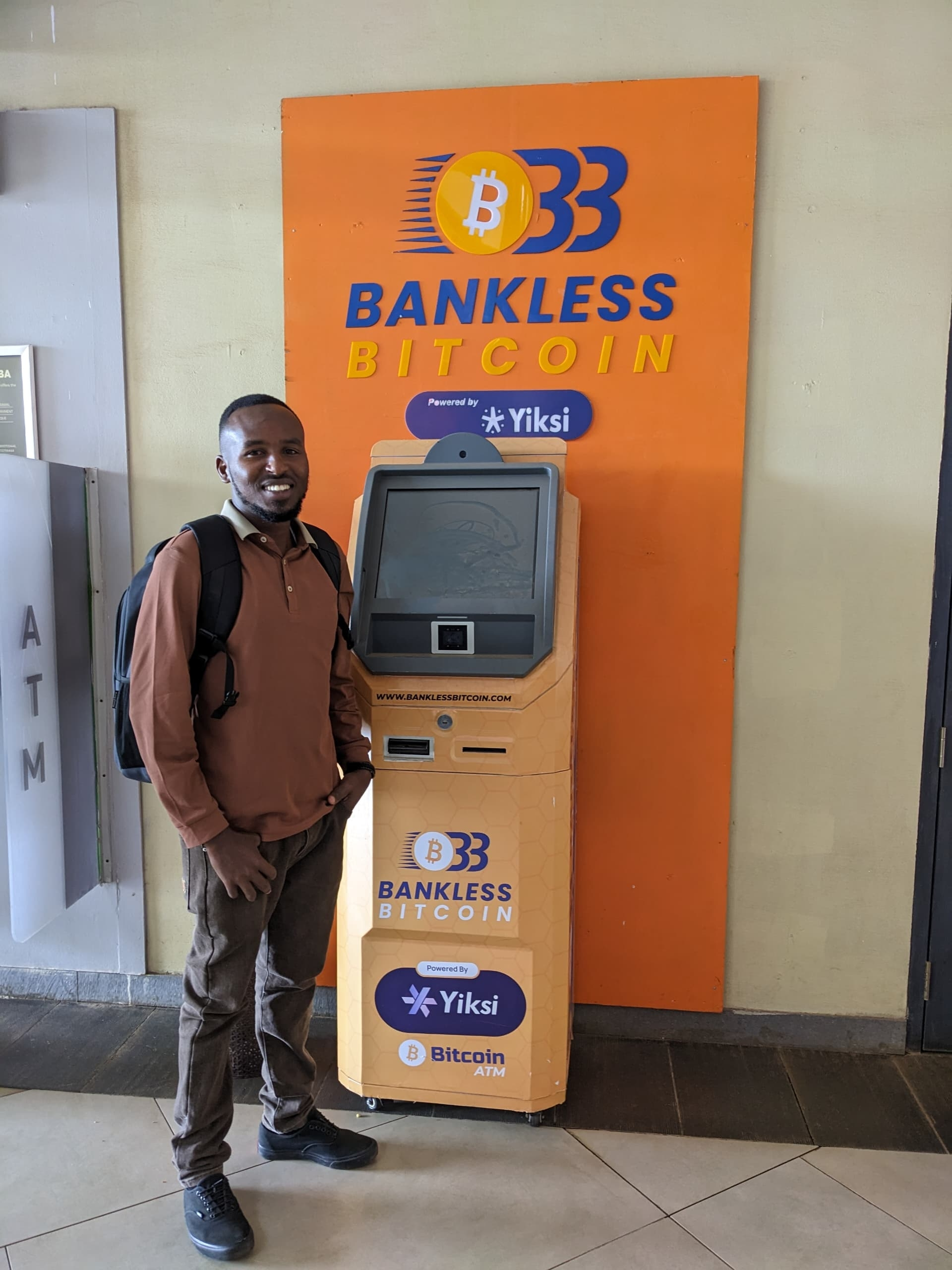
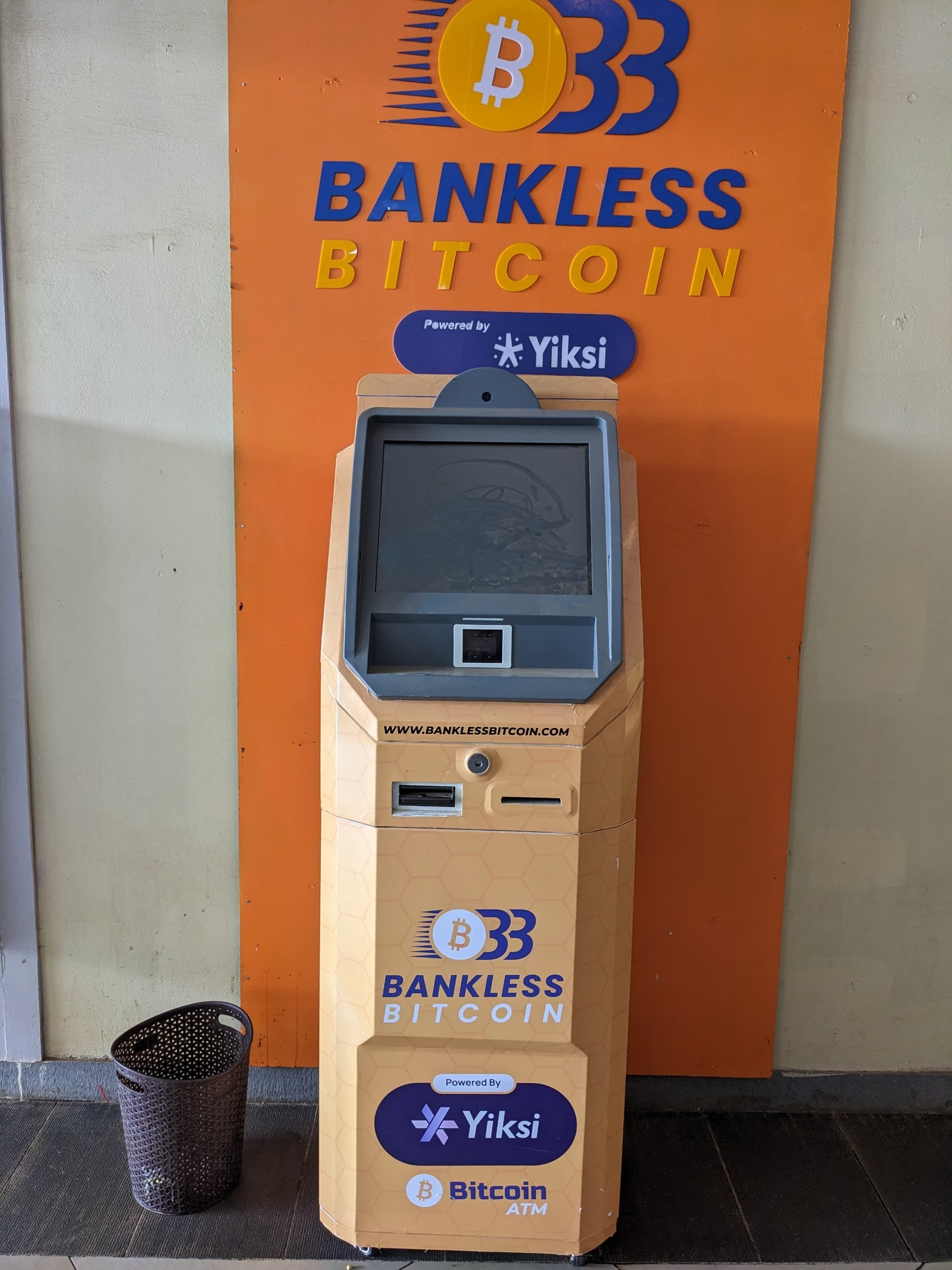
👉 Машина обычно брендирована как «Банковский Биткойн» и расположена рядом с традиционными банкоматами для видимости. Она позволяет пользователям покупать и продавать Биткойны за наличные в торговой среде с высоким потоком клиентов.
⚠️ Регуляторная заметка (специфичная для Кении)
Законодательство Кении о виртуальных активах (VASP) вступило в силу в конце 2025 года, установив лицензионный режим для криптоуслуг.
Тем не менее, на конец 2025 года не было лицензированных операторов крипто-банкоматов, уполномоченных Центральным банком Кении (CBK) или Управлением капитальных рынков (CMA). Любой оператор, утверждающий наличие лицензии, может все еще действовать в серой зоне регулирования. #bitcoin #btcatmmachine #BTC