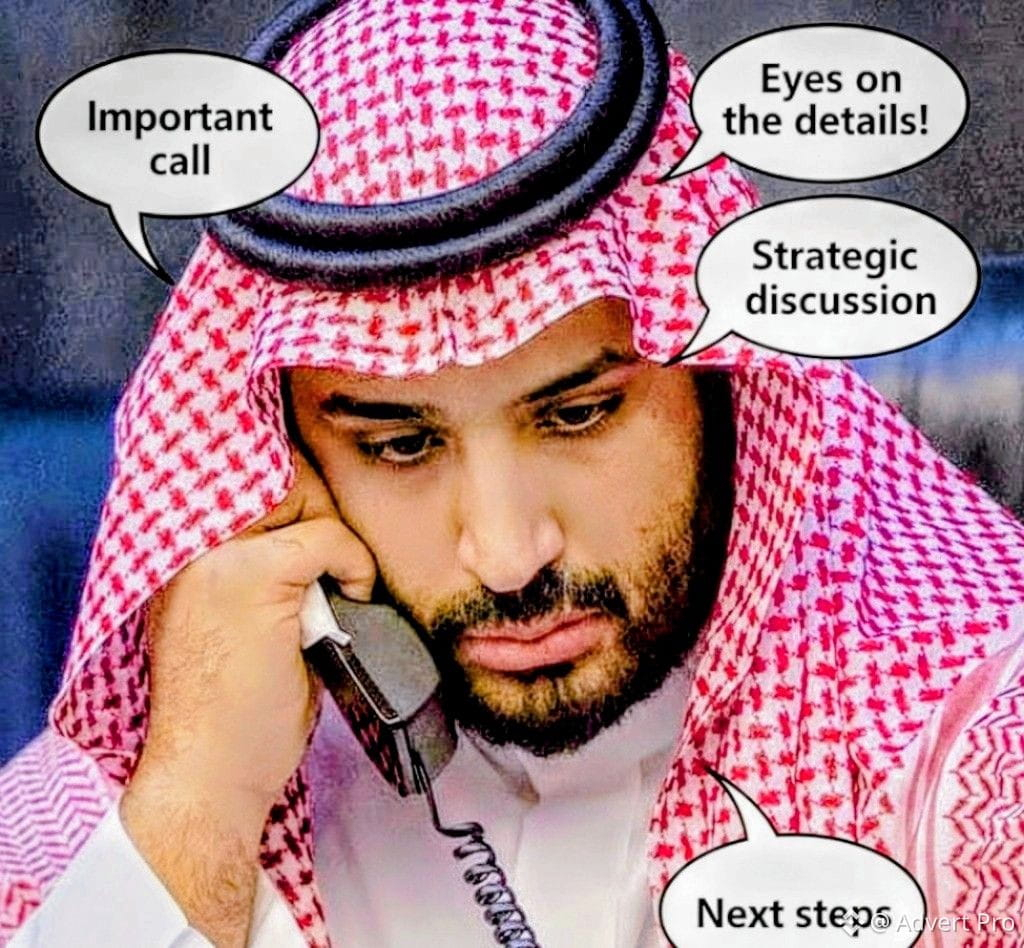
Recent regional signals indicate rising tension in the Middle East after statements linked to Mohammed bin Salman and the broader security posture of Saudi Arabian Armed Forces. The message is clear: if Iran launches attacks on Saudi territory, Gulf assets, or allied forces, Riyadh may respond directly.
This development is being closely monitored not only by governments but also by global markets and professional traders.
Rising Tensions in the Gulf
Over the past weeks, the Middle East has seen increasing missile and drone threats targeting strategic locations and energy routes. With Saudi Arabia drawing what analysts describe as a “red line,” any strike on its territory could trigger a broader response.
While this is currently a warning rather than confirmed retaliation, geopolitical signals like these often move markets before any actual military action occurs.
Why Markets and Traders Are Watching
Geopolitical tensions in the Gulf region can have a direct impact on global financial markets.
1. Energy Routes at Risk
The Middle East controls key oil supply routes. Any escalation could disrupt shipping lanes and production, potentially causing sudden spikes in oil prices and energy market volatility.
2. Risk-Off Sentiment
When geopolitical risks rise, investors often rotate funds away from risky assets into safer ones. This can lead to sharp price movements across crypto, stocks, commodities, and forex.
3. Headline-Driven Liquidity
Modern markets react instantly to breaking news. Major geopolitical headlines often trigger liquidity hunts, rapid volatility, and momentum-based trading moves.
What “Smart Money” Typically Watches
Professional traders and institutions often focus on patterns that occur during geopolitical uncertainty:
Positioning before confirmation of major events
Increased volatility shaking out weaker market participants
Expansion phases following major geopolitical narratives
News flow driving liquidity and short-term price reactions
However, these conditions also increase risk significantly.
Important Context
It’s important to note that the current signal is a public warning rather than a confirmed military action. Markets frequently price in expectations or potential outcomes before they actually happen.
In situations like this, sentiment can change rapidly depending on new information or diplomatic developments.
Bottom Line
Geopolitical tensions in the Middle East can quickly shift global market sentiment from risk-on to risk-off. For traders and investors, this means:
Expect higher volatility
Monitor global news closely
Understand that headlines can move markets within minutes
One spark in a sensitive region can influence energy prices, crypto markets, and global financial stability.
⚠️ High-risk, headline-driven market environment.
⚠️ This is not financial advice.
If you want, I can also convert this into a viral X (Twitter) thread format or a professional crypto market report style