
In the fast-growing world of robotics and blockchain, developers now have a chance to earn cryptocurrency by creating practical skills for autonomous robots. At the center of this shift is the ROBO token, part of the @Fabric Foundation . This isn’t just coding for fun or speculation it’s contributing to a real robot economy, where machines operate, complete tasks, and generate value.
If you’re a developer with experience in AI, robotics software, or programming, $ROBO offers a unique entry point. Personally, I find it exciting to see machines learn and operate independently it’s like witnessing a new economic layer come alive.
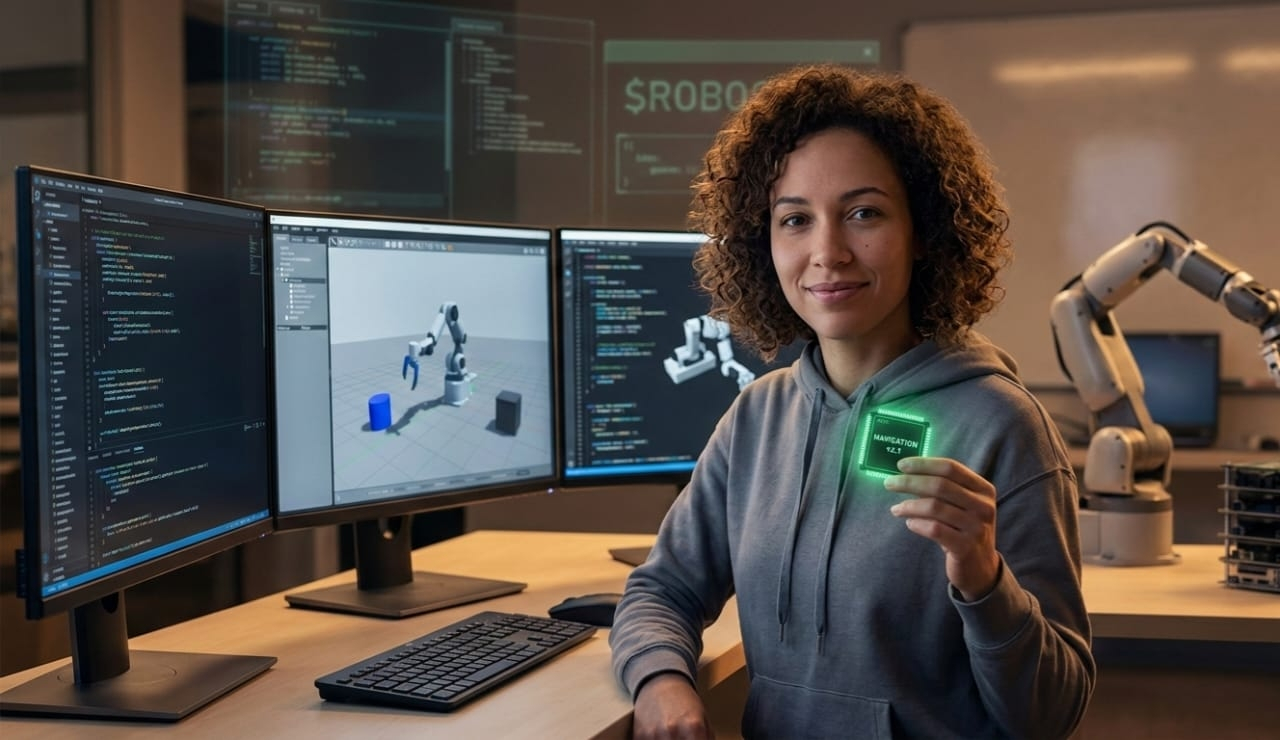
Understanding the Fabric Protocol and ROBO
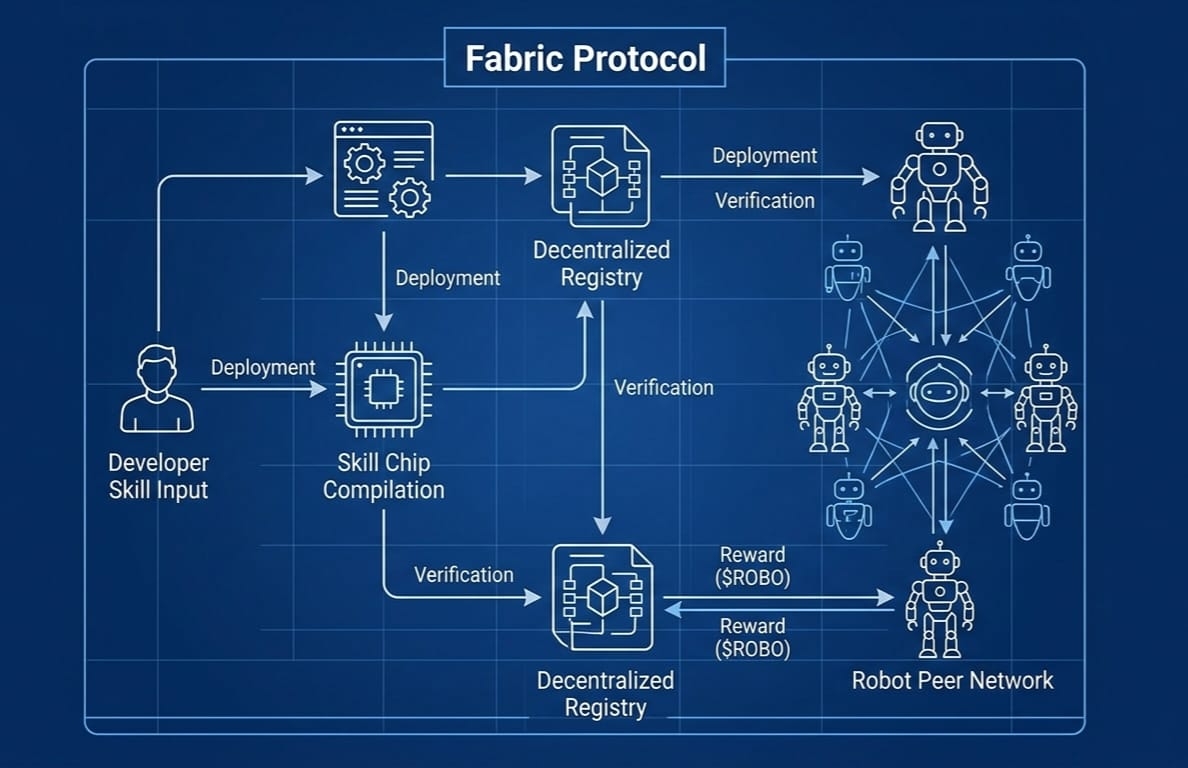
The Fabric Protocol powers a decentralized network of robots. Each robot gets on-chain wallets, verifiable credentials, and economic autonomy, allowing them to earn, spend, and coordinate without constant human oversight.
ROBO rewards developers through Proof of Robotic Work (PoRW), giving tokens for verified contributions rather than passive holding. This mainly happens through “skill chips”, modular software components that teach robots specific abilities like warehouse navigation, package sorting, or multi-robot collaboration.
How Developers Get Started
1. Learn the Basics: Explore the Fabric SDK and integrate with common robotics libraries.
2. Create a Skill Chip: Build a behavior, like a “delivery optimization” skill, and test it on compatible robots.
3. Deploy to the Marketplace: Upload your skill to the Robot Crafter & App Store, where other robots or users can adopt it.
The beauty here is composability: one robot’s learning benefits the entire network. Personally, I find this fascinating watching a collective intelligence grow in real time is a rare opportunity.
Earning $ROBO
Developers earn through:
Skill rewards: More adoption = more ROBO.
Usage payments: Operators pay for skills, like automated royalties.
Contribution incentives: Data, compute, or network validation earns proportional rewards.
Backed by investors like Pantera Capital and Coinbase Ventures, this market is projected to hit $150 billion by 2028. Robots are already in factories, delivery services, and homes. By building skills, developers aren’t just earning tokens they’re shaping real-world integration. For me, coding here means impact and reward at the same time.
Getting Started
Explore the Fabric whitepaper, mint an identity, experiment with the SDK, and prototype a skill. Join communities like OpenMind or SurfAI for guidance. As one developer said: “It’s like building apps for the iPhone in 2008, but for robots.”
Machines are becoming economic agents, and developers hold the keys. By crafting skills, you’re helping build the future, one chip at a time.