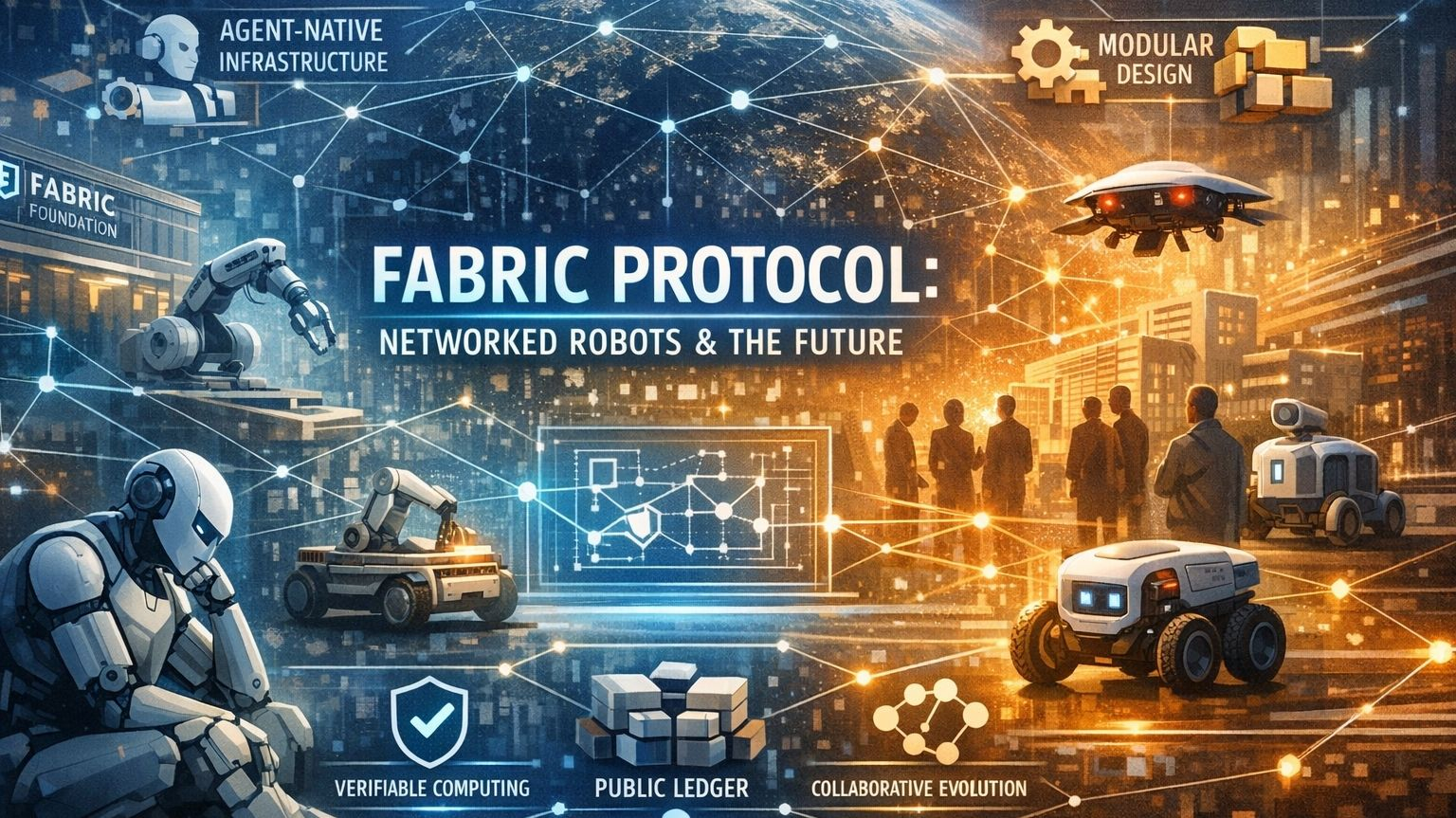

I’ve been thinking a bit about Fabric Protocol lately. Not in a deep technical way, just the kind of thinking that happens when something sticks in your head after you read about it. The idea of robots being part of an open network rather than just standalone machines caught my attention. It made me imagine a world where robots aren’t just tools owned by someone, but participants in a shared system. That shift in perspective felt small at first, but the more I sat with it, the more interesting it became.
The presence of the Fabric Foundation behind the project also made me pause for a moment. A non-profit structure suggests the goal might be bigger than just building another piece of technology. At least that’s the impression it gives from the outside. Of course, structures on paper don’t always reflect how things unfold in reality. Still, it does make the whole thing feel a bit more community-oriented.
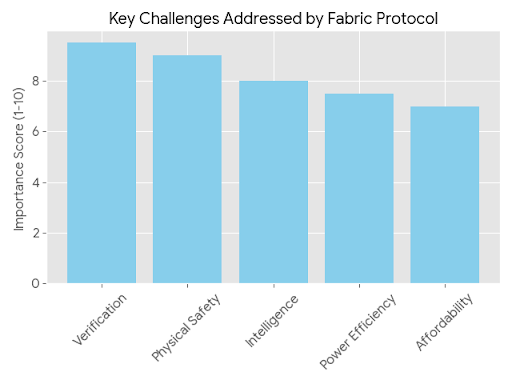
One concept that stayed with me was this idea of verifiable computing. In simple terms, it means machines can prove what they actually did instead of just saying they did it. That sounds reassuring, especially when you start imagining robots operating in shared spaces with humans. At the same time, I keep wondering how practical it is in real situations. Robots move, react, and make decisions quickly, and adding layers of proof might not always be simple.
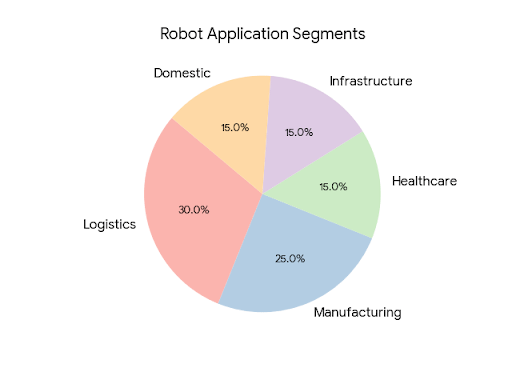
Another phrase that stood out to me was “agent-native infrastructure.” It basically means the system is designed with autonomous agents — like robots — in mind from the start. I like that way of thinking because it feels intentional rather than patched together later. But systems that involve many autonomous agents can become complicated quickly. Coordination sounds elegant in theory, yet I can’t help thinking about how messy things can get when many moving parts interact.
The public ledger part of the protocol felt both familiar and slightly different. We’ve seen ledgers used in many technologies before, but here it seems to coordinate more than just records. It’s supposed to help organize data, computation, and even rules for how things operate. That combination made me slow down and think about the implications. Embedding regulation directly into infrastructure is an interesting idea, though I’m still unsure how it would feel in practice.
I also liked the phrase “collaborative evolution.” It gives the sense that the system is meant to grow and improve through many contributors rather than a single authority. That openness feels healthy in some ways. But openness can also introduce uncertainty, especially when physical machines are involved. I kept thinking about how important guardrails might be in a network like that.
What gives me a bit of confidence is the modular design approach. Different parts of the system seem designed to connect without being tightly locked together. That kind of flexibility usually helps technology adapt over time. Still, modular systems depend heavily on clear standards. Without those, flexibility can quickly turn into confusion.
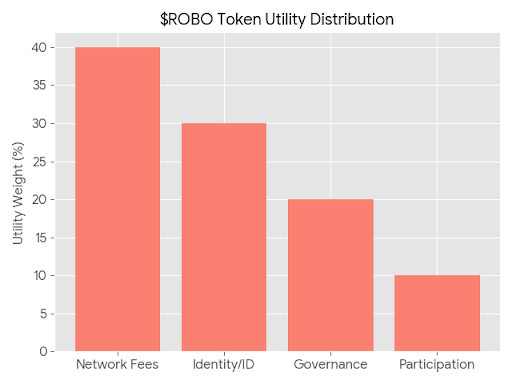
There are also things I’m still unsure about, and honestly I think that’s normal with something this new. I’m curious about how heavy the verification processes will be when robots are actually operating in the real world. I also wonder how disagreements or failures would be handled inside a global network like this. Governance tends to be the part that looks simple at first but becomes complex later.
The more I think about it, the more I realize I’m less interested in the promises and more interested in the signals that will appear over time. Who starts building on it? What kinds of robots join the network first? How do people collaborate around it? Those early behaviors usually reveal more than any technical document.
So for now, I’m mostly just watching from a distance and letting the idea sit in my mind. There’s something thoughtful about the direction it’s taking, but it’s still early enough that many questions remain open. I don’t feel the need to rush to a strong opinion. It’s simply one of those things I’m keeping an eye on, quietly curious about where it might lead.