
I’ve been looking at Fabric Protocol for a bit, and it didn’t give me that usual “another crypto project” feeling. It actually made me pause for a second. Most of what we see every day is just different versions of the same thing—tokens, liquidity, trading loops. This felt like it was trying to step somewhere else entirely.
I noticed they’re talking about robots, agents, and coordination, not just money moving around. That’s a very different direction. It’s less about speculation and more about how systems interact with each other. I’ve seen crypto try to expand into new areas before, but most of the time it stays surface-level. Here, at least from what I can tell, they’re trying to go deeper into something more practical.
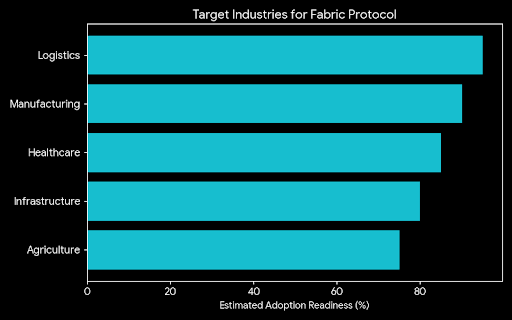
What stood out to me was the idea of verifiable computing. It sounds complex, but the core idea is simple—if machines are going to act on their own, you need a way to trust what they’re doing. That part makes sense. The question is whether it actually works outside of theory. I’ve been around long enough to know that good ideas don’t always translate into real usage.
I’ve seen this pattern play out in different cycles. First it was IoT, then AI, now it’s moving toward agents and robotics. Every time, the narrative sounds strong in the beginning. But after the initial attention fades, only a few projects manage to keep building quietly. Most just lose momentum. That’s always in the back of my mind when I see something like this.
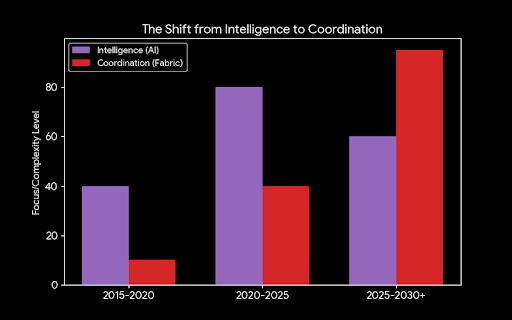
At the same time, I can imagine why developers might be curious. It’s not just another DeFi fork or trading tool. It feels like something you’d build if you actually wanted to explore new ground. But that only matters if the tools are usable. If it’s too complicated or unclear, people won’t stick around, no matter how interesting the idea is.
I keep thinking about where the early activity comes from. In crypto, people don’t usually show up just because something sounds meaningful. There needs to be a reason—something to do, something to test, something to earn. If that part is missing, even strong ideas can feel empty in the beginning.
There’s also the bigger picture of whether this can turn into a real ecosystem. The projects that last usually create some kind of gravity—developers, users, liquidity, all feeding into each other. Fabric feels like it’s starting from zero in that sense, which isn’t bad, but it does make the path slower and more uncertain.
Timing is another thing I can’t ignore. This feels a bit ahead of where the market is right now. The idea makes sense, but I’m not sure if people are ready to engage with it yet. Sometimes being early just means waiting longer than expected.
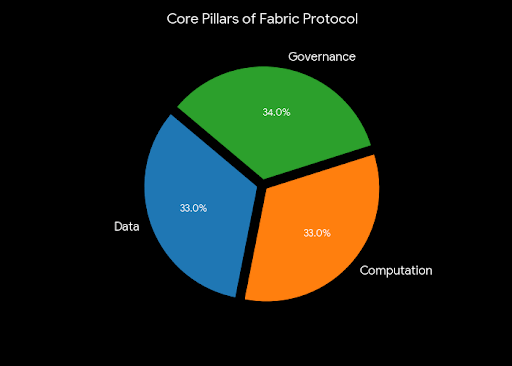
I don’t see this as something that’s going to move fast. If it works, it’ll probably be gradual. Quiet progress, small signs of adoption, maybe developers experimenting before anything big happens. Or it might just struggle to keep attention like many others before it.
For now, I’m not trying to label it as good or bad. I’m just watching it. I want to see if people actually build on it, if there’s real activity, and if it can hold interest when there’s no hype around it. That’s usually when you find out what a project really is.