
Cryptocurrency has taken the financial world by storm, attracting millions of traders—from curious beginners to massive institutional investors. But if you're just starting out, the terminology, fast-moving markets, and endless strategies can feel overwhelming.
Whether you're considering your first trade or simply want to understand how it all works, this guide will walk you through the fundamentals of crypto trading, including how to get started, key concepts, popular strategies, and how to manage risk.
What Is Cryptocurrency Trading?
Cryptocurrency trading means buying and selling digital assets on exchanges with the goal of making a profit. Unlike traditional stock markets, crypto markets operate 24/7, giving traders constant access but also exposing them to round‑the‑clock volatility.
You've likely heard of Bitcoin (BTC) and Ethereum (ETH) —these are the most well‑known cryptocurrencies. But there are thousands of others, each with its own purpose and market behavior.
Traders can go long (buy expecting the price to rise) or go short (sell expecting the price to fall). Some hold for months or years, while others move in and out of positions within minutes. Your approach will depend on your strategy, risk tolerance, and lifestyle.
Before You Start Trading
1. Learn the Basics
Before putting real money on the line, take time to understand how crypto markets work. Binance Academy offers free courses and articles that cover everything from blockchain fundamentals to advanced trading techniques.
2. Choose a Reliable Exchange
Your exchange is your gateway to the market. Look for platforms with:
· A strong track record and solid reputation
· Robust security measures
· Responsive customer support
For beginners, centralized exchanges (like Binance) are the easiest to use. They offer intuitive interfaces, high liquidity, and helpful features. As you gain experience, you can explore decentralized exchanges (DEXs) later.
3. Create and Verify Your Account
Once you've chosen an exchange, sign up by providing your email and setting a password. Most regulated exchanges require identity verification (KYC) —you'll need to submit a government‑issued ID, proof of address, and sometimes a selfie. This step is mandatory for security and regulatory compliance.
How to Start Trading
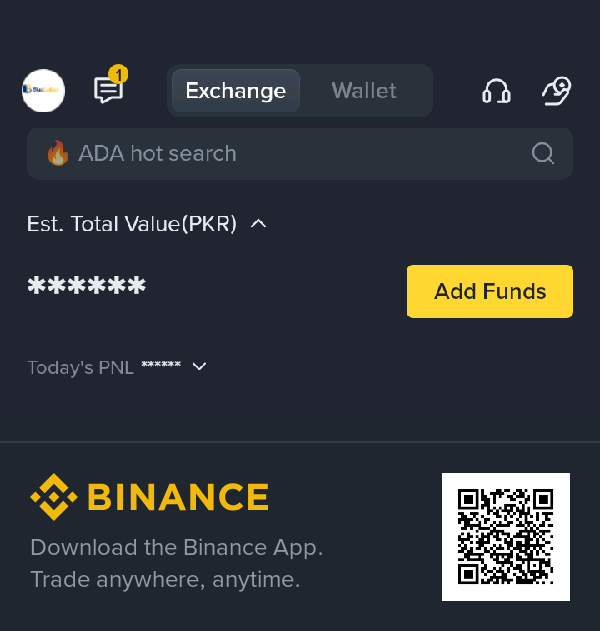
1. Fund Your Account
After verification, deposit funds. Most centralized exchanges accept:
· Bank transfers or wire transfers
· Credit/debit card purchases
· Crypto deposits (if you already own some)
⚠️ Important: Always double‑check deposit addresses. Sending Bitcoin to an Ethereum address can result in permanent loss.
2. Choose a Trading Pair
Cryptocurrencies are traded in pairs, like BTC/USDT or ETH/BTC. The first asset is the base, the second is the quote.
· Crypto‑to‑fiat pairs (e.g., BTC/EUR) let you trade crypto against traditional currency.
· Crypto‑to‑crypto pairs (e.g., ETH/BTC) let you trade one crypto for another.
3. Understand the Order Book
The order book shows all current buy and sell orders:
· Bids – orders to buy (highest bids at the top)
· Asks – orders to sell (lowest asks at the top)
This real‑time data reveals supply and demand at different price levels.
4. Choose Your Order Type
Order Type How It Works Best For
Market Order Buys or sells immediately at the best available price Fast execution when speed matters
Limit Order Buys or sells only at a specific price (or better) Getting the exact price you want
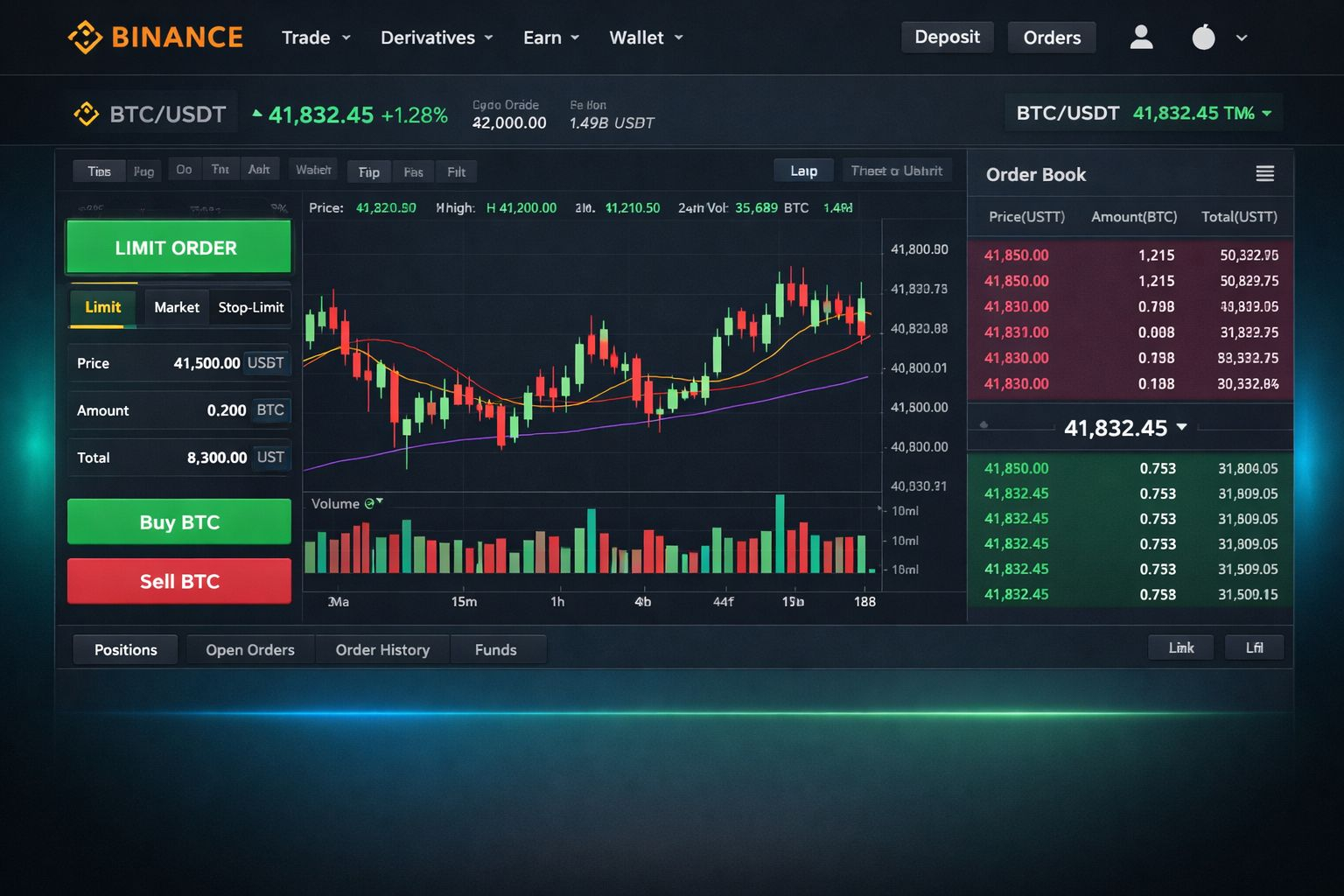
Example: If BTC is trading at $100,000 but you want to buy at $98,000, place a buy limit order at $98,000. If the price drops to that level, your order will execute. If it never drops, the order stays unfilled.
5. Develop Your Trading Strategy
Every trader is unique. Rather than copying others, build your own system and refine it over time. A trading journal—recording each trade, your reasoning, and the outcome—can be invaluable for learning.
Popular Trading Strategies
Day Trading
· Timeframe: Intraday (positions closed same day)
· Tools: Technical analysis, charts, indicators
· Verdict: Profitable but stressful and time‑consuming. Not recommended for beginners.
Swing Trading
· Timeframe: Days to weeks
· Tools: Trend analysis, support/resistance levels
· Verdict: Beginner‑friendly. Less stressful than day trading, with solid profit potential.
Scalping
· Timeframe: Seconds to minutes
· Tools: High‑frequency trades, thin margins
· Verdict: Extremely demanding. Requires experience and fast execution.
HODLing
· Timeframe: Months to years
· Tools: Patience, belief in long‑term value
· Verdict: Least stressful. Historically proven for Bitcoin and strong projects.
Technical Analysis (TA)
Technical analysis is the art of reading price charts to predict future movements.
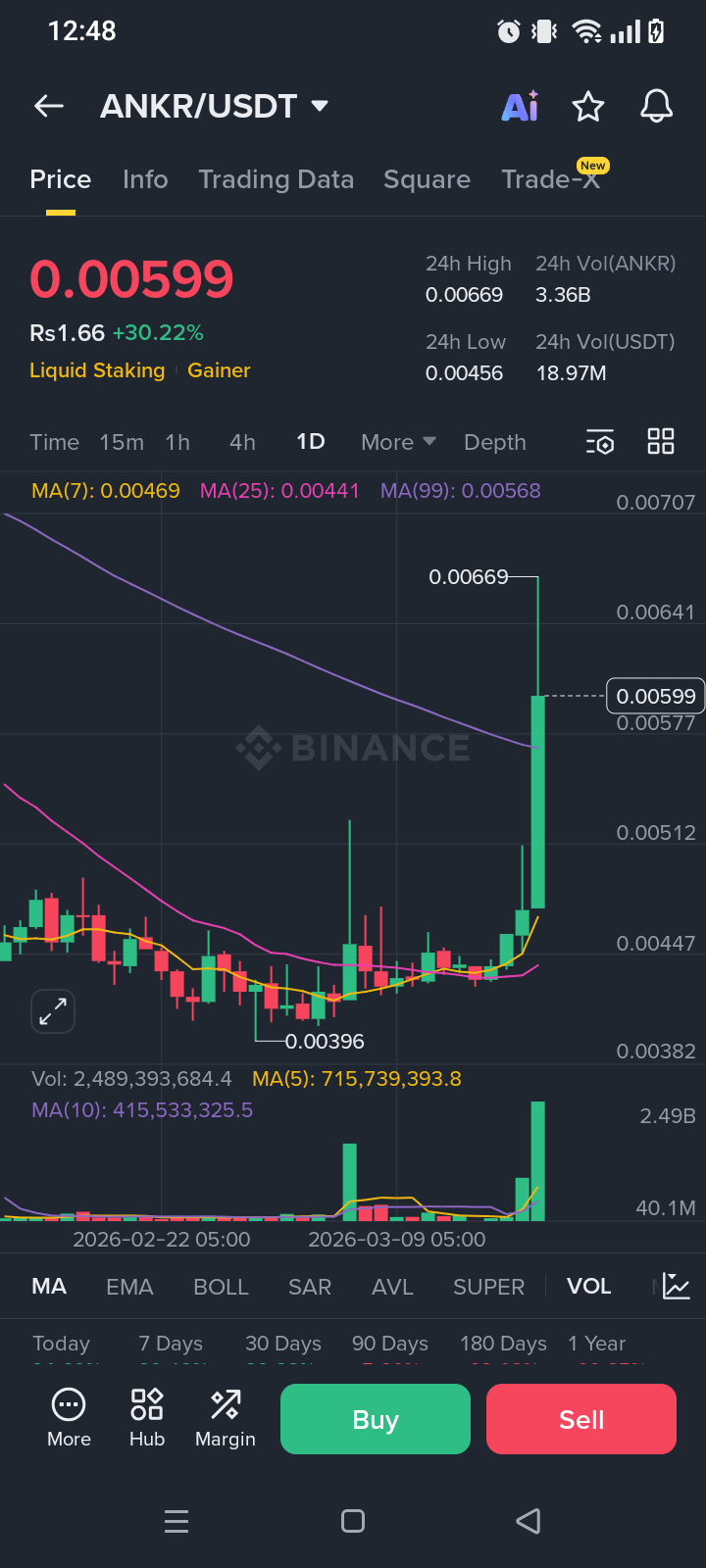
Candlestick Charts
Each candlestick represents price action over a specific period (e.g., 1 hour, 1 day). It shows four key data points:
· Open – first price of the period
· High – highest price reached
· Low – lowest price reached
· Close – last price of the period
Support and Resistance
· Support – a price level where demand is strong enough to stop further falls
· Resistance – a price level where supply is strong enough to stop further rises
When support breaks, it often becomes new resistance. When resistance breaks, it often becomes new support.
Common Indicators
· Moving averages
· Bollinger Bands
· Relative Strength Index (RSI)
· Fibonacci retracements
These tools help identify trends, momentum, and potential entry/exit points.
Fundamental Analysis (FA)
Fundamental analysis evaluates a cryptocurrency's intrinsic value by examining:
· Technology – What problem does it solve?
· Team – Who is building it?
· Tokenomics – Supply, distribution, inflation rate
· Adoption – Active addresses, transaction volume, partnerships
· On‑chain data – Wallet growth, network activity
FA is especially useful for long‑term investors.
Risk Management – The Most Important Skill
No strategy works without proper risk control.
1. Limit Your Losses
Never trade more than you can afford to lose. Use stop‑loss orders to automatically exit a trade if the price moves against you. Use take‑profit orders to lock in gains when a target is reached.
2. Have an Exit Strategy
Plan your exit before you enter. Know at what price you'll take profit and at what price you'll cut losses. Stick to the plan—emotions destroy portfolios.
3. Diversify
Don't put all your capital into one asset. Spread risk across different cryptocurrencies and position sizes. Rebalance regularly to maintain appropriate exposure.
4. Hedging (Advanced)
Experienced traders sometimes hedge by taking a position in a related asset expected to move in the opposite direction. For example, buying a put option can offset losses in a long Bitcoin position.
Final Thoughts
Cryptocurrency markets are volatile, unpredictable, and always evolving. But with a solid foundation in the basics, a clear strategy, and disciplined risk management, you can navigate this space with confidence.
Keep learning. Stay informed. Adapt as markets change.
Your journey starts here. 🧠
What's your biggest challenge as a beginner trader? Drop your thoughts below. 👇