

@SignOfficial For years, I’ve watched global teams struggle with one core issue: alignment. Different regions, different incentives, different mindsets—yet expected to move as one. Traditional systems like stock options or bonuses try to solve this, but they often feel disconnected, slow, and limited by geography.
That’s where SIGN completely changed my perspective.
It’s not just another token—it’s a shared layer of ownership that connects contributors across borders. Instead of fragmented incentives, it creates a unified system where everyone can participate in the same vision.
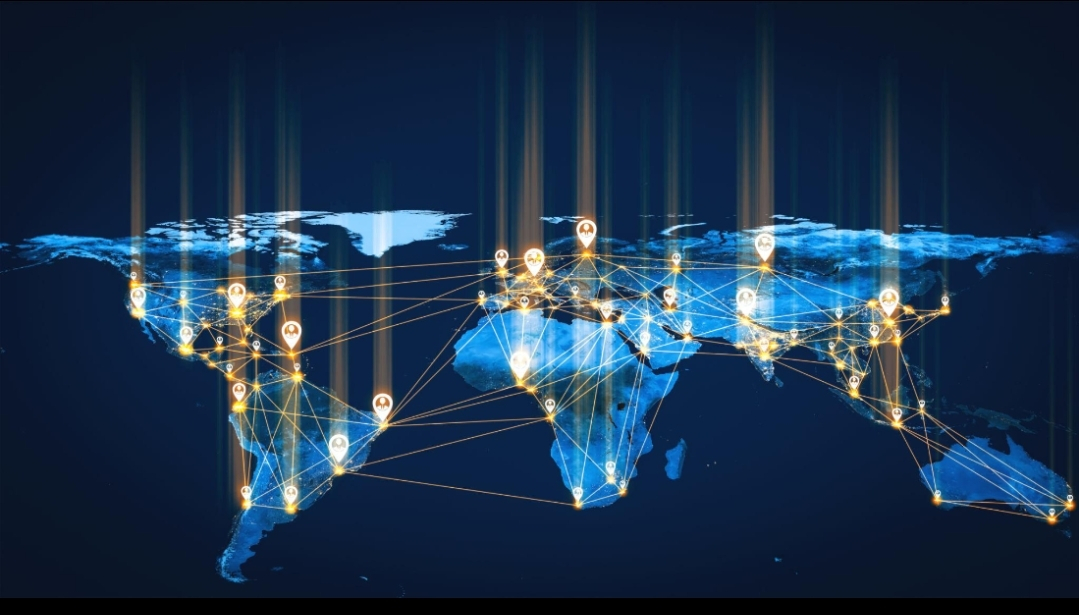
The first thing that stood out to me is universal participation. With $SIGN, it doesn’t matter where you are in the world—you’re not just contributing, you’re owning. That alone removes the invisible divide between “core team” and “others.” Everyone becomes part of the same mission.
Then comes what I believe is the real game-changer: tangible ownership. Unlike traditional incentives that feel abstract or locked away, $SIGN exists in a liquid, transparent environment. When the ecosystem grows, the value reflects it. That creates a direct connection between effort and reward—something most systems fail to achieve.
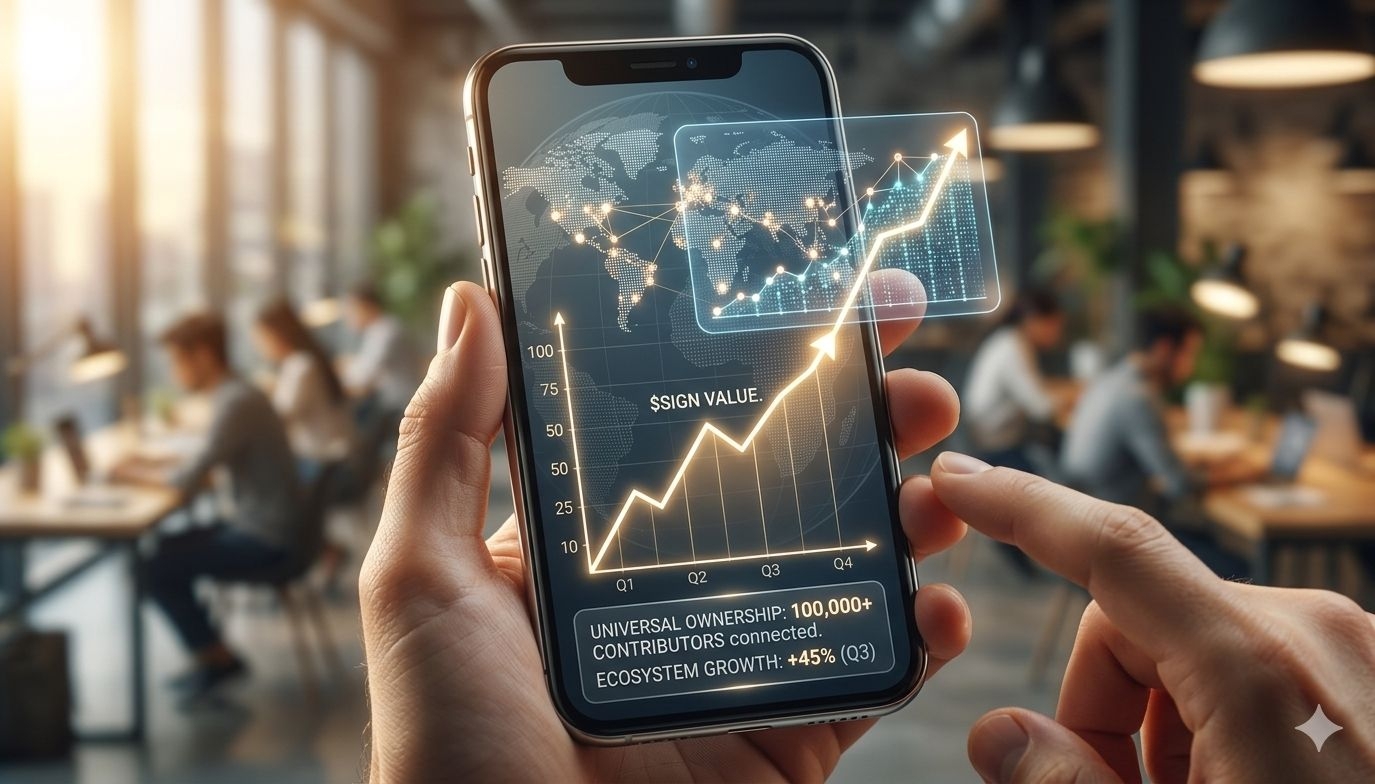
I’ve realized this changes behavior in a powerful way. People don’t just “work”—they build with intention. Every contribution feels like it matters because it directly ties back to something they own.
And then there’s the third layer: community-driven advocacy.
When people hold a stake in something, they naturally want it to succeed. With SIGN, contributors don’t just execute tasks—they become ambassadors. They share, promote, and defend the ecosystem because they’re genuinely invested in its growth.
This is where I think SIGN goes beyond incentives it builds alignment at a human level.
So for me, the question isn’t whether traditional systems can evolve. It’s whether teams are ready to adopt a model that actually works for a decentralized world.
Because $SIGN isn’t just improving incentives it’s redefining ownership itself. And in a fragmented world, that might be exactly what we’ve been missing.