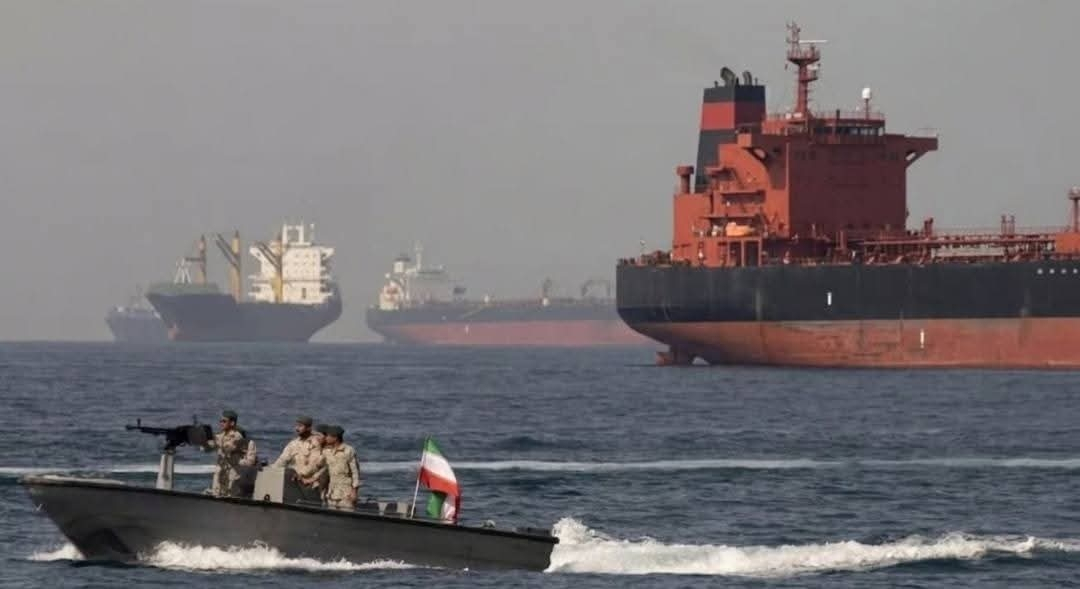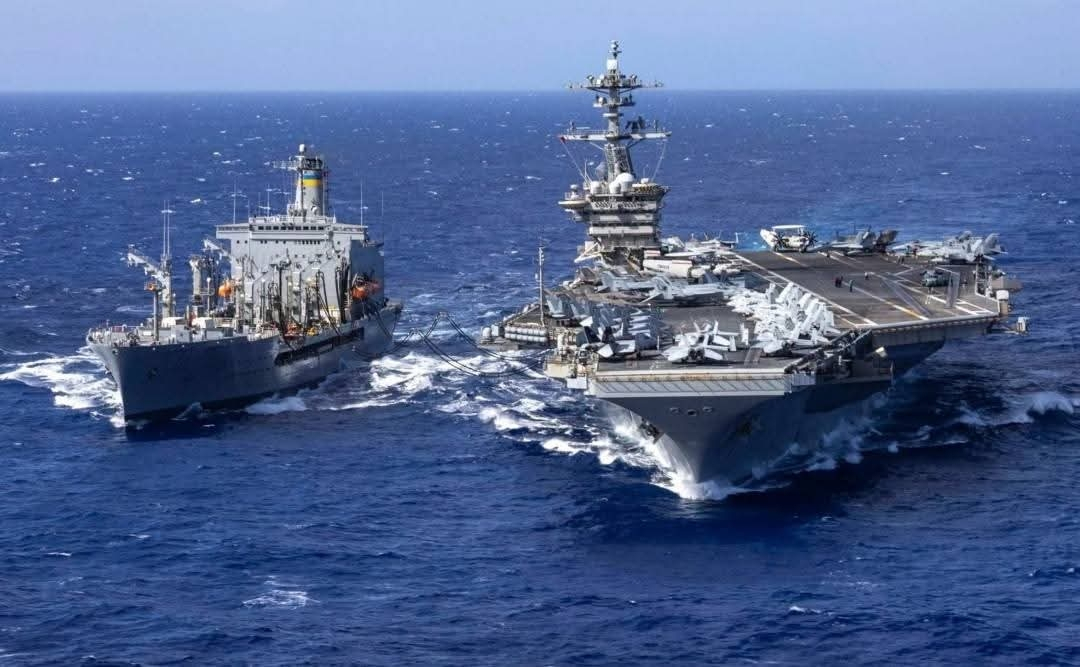
The world is once again կանգing at a critical crossroads where geopolitics and global economics collide. Donald Trump’s announcement of a potential naval blockade in the Strait of Hormuz is not just a military move—it’s part of a much larger strategic game.
🌍 Why the Strait of Hormuz Matters
The Strait of Hormuz is one of the most vital maritime chokepoints in the world, with nearly 20% of global oil supply passing through it. Any disruption here doesn’t just affect the Middle East—it sends shockwaves across the global economy.
🔴 A New Phase of Pressure
The United States appears to be escalating pressure on Iran. If a blockade materializes:
Iran’s oil exports could be severely impacted
Military tensions in the region may intensify
Global shipping routes could face serious disruption
This situation carries the risk of quickly escalating from tension to direct confrontation.
🟡 Iran’s Strategic Response
Iran, however, is not without options. It has been actively working to soften the impact of sanctions and restrictions:
Supplying oil to China through alternative channels
Strengthening trade ties with Russia
Using indirect trade networks and informal routes to bypass restrictions
These moves highlight that this is not a simple economic conflict—it’s a complex global power struggle.
🔵 The Real Conflict: Control
At its core, this is not just about oil. It’s about control:
Who dominates global energy routes?
Who shapes the flow of resources and influence?
This is a high-stakes chess game, where every move has worldwide consequences.
⚔️ What Comes Next?
Several scenarios could unfold:
Naval confrontations or limited clashes
A sharp rise in oil prices
Increased volatility in global financial and crypto markets
If tensions escalate further, this could evolve from a regional issue into a global crisis.
📊 Final Take
This is not a checkmate—it’s the next move in a dangerous global chess match. Every decision made here will ripple across economies, politics, and security worldwide.
For now, all eyes remain on the Strait of Hormuz—because what happens here could shape the future of global stability.$CTSI