
🚨
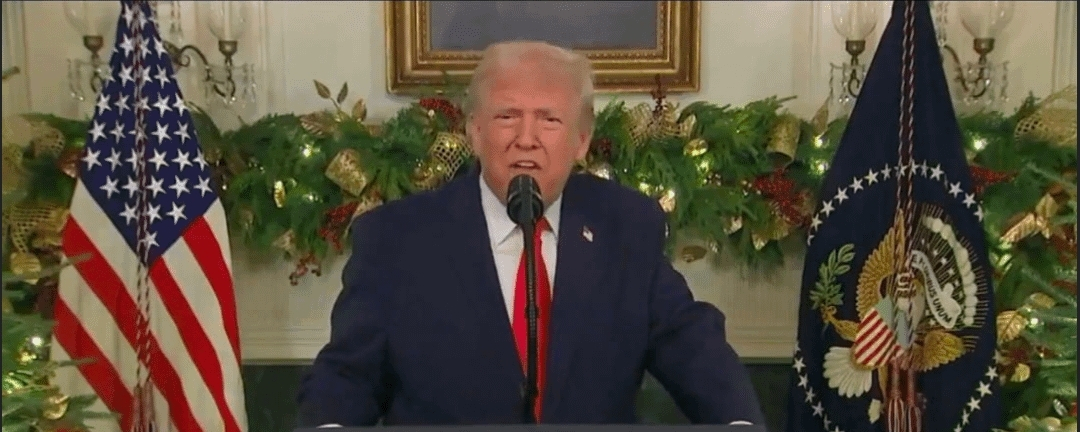
🇺🇸 In a live announcement, President Trump stated that a large-scale tax cut proposal is on the way — one he described as potentially the biggest in U.S. history. The claim that stood out most was the possibility that American households could retain up to $20,000 more per year.
That figure alone is enough to make people stop and think. For many, it represents real financial relief — paying down debt, increasing savings, or finally gaining some breathing space. For others, it signals a broader economic push aimed at accelerating growth.
Markets typically react strongly to this kind of narrative. Lower taxes often translate into higher consumer spending, increased investment, and stronger business activity — at least in theory. It’s easy to see why optimism starts building immediately around headlines like this.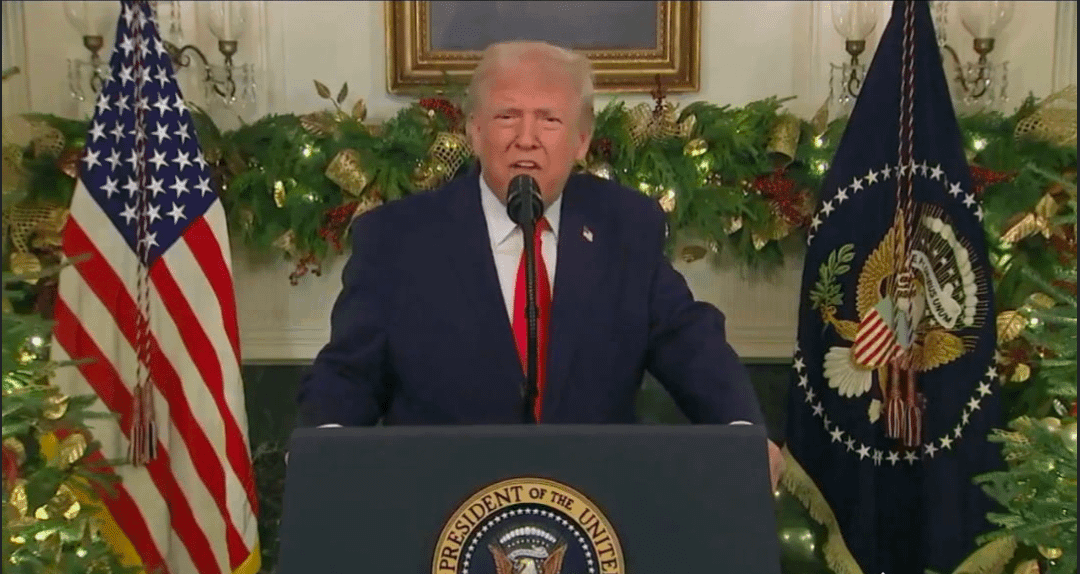
At the same time, big proposals always come with big questions. How would it be funded? Who would benefit the most? And how would it actually be implemented in practice?
For now, it remains a headline that captures attention and fuels debate. Whether it turns into policy or not, it’s already doing one thing for sure — shifting expectations and keeping everyone focused on what comes next.$TRUMP

