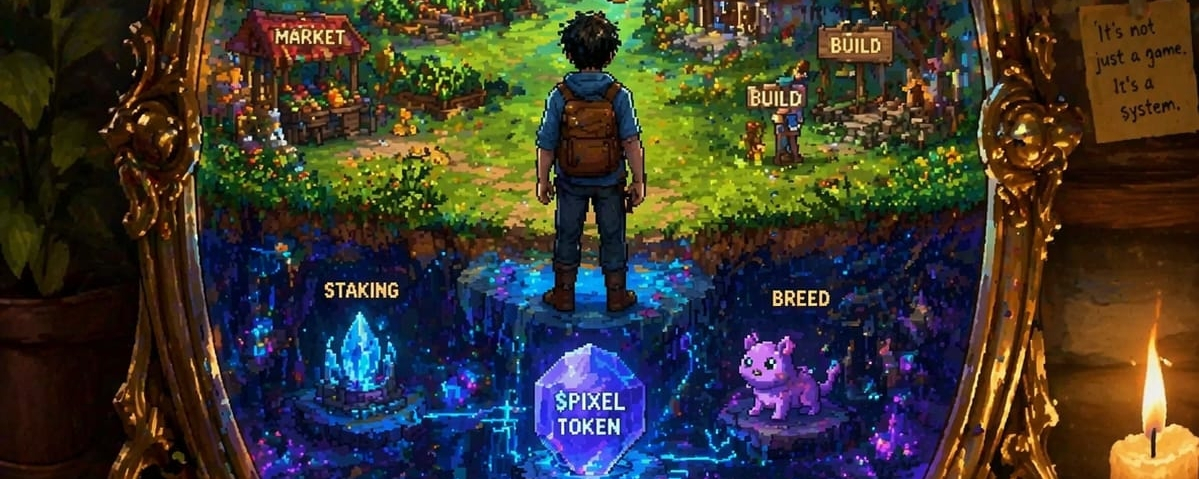
Pixels не пытается вас зацепить сложностью. Вы входите в систему, сажаете несколько культур, гуляете, возможно, выполняете пару заданий — и это кажется достаточно простым, чтобы игнорировать. Но через некоторое время вы начинаете замечать закономерности. Некоторые игроки двигаются быстрее. Некоторые зарабатывают больше. Некоторые, похоже, точно знают, на чем сосредоточиться. Вот тогда это начинает работать: это не просто фермерская игра, это система, которая тихо вознаграждает за то, как вы думаете, а не просто за то, как долго вы играете.
Созданная на сети Ronin, игра работает достаточно плавно, чтобы вам не нужно было думать о технологии, стоящей за ней. Это важно, потому что Pixels не пытается впечатлить вас блокчейном — она использует его в качестве основы для создания чего-то, что кажется естественным на поверхности, но структурировано внизу. Владение присутствует, транзакции есть, но они не мешают вам во время игры.
Что отличает Pixels, так это то, как он управляет вознаграждениями. Большинство игр либо ничего не дают, либо дают слишком много слишком легко. Pixels находится где-то посередине. Вы не зарабатываете просто за выполнение действий — вы зарабатываете за правильные действия. Доска задач, лимиты энергии и системы прогрессии работают вместе, создавая своего рода фильтр. Два игрока могут провести одинаковое количество времени в игре и получить совершенно разные результаты. Это не несправедливо — это намеренно.
Токен PIXEL отражает ту же идею. Его не раскидывают налево и направо. Вы зарабатываете его через конкретные возможности, и эти возможности зависят от того, насколько хорошо вы понимаете систему. Со временем вы понимаете, что дело не только в гринде, а в позиционировании — знании, когда действовать, что приоритизировать и как оставаться последовательным, не выгорая.
Стейкинг добавляет еще один уровень. Когда вы блокируете свои $PIXEL, вы не просто гонитесь за вознаграждениями — вы связываете себя с экономикой игры. Возвраты не изолированы от игры; они связаны с реальной активностью, происходящей внутри нее. Это делает всё более приземленным. Ценность не появляется из ниоткуда — она движется через систему на основе того, что на самом деле делают игроки.
Еще один интересный сдвиг — это то, как Pixels подходит к росту. Вместо того чтобы полагаться только на рекламу или хайп, он строит способы для игроков и создателей привлекать других и извлекать из этого выгоду. Такие вещи, как коды создателей, превращают влияние в нечто ощутимое. Это простая идея, но она меняет динамику. Рост становится частью игры, а не чем-то, что происходит вне ее.
Недавние обновления показывают, что игра становится более глубокой. Новые системы, такие как навыки, индустрии, питомцы и, особенно, репутация, начинают формировать то, как игроки прогрессируют. Репутация, в частности, ощущается как тихий, но мощный механизм. Она не кричит на каждом углу, но влияет на всё — расходы, доступ, возможности. Она вознаграждает игроков, которые остаются и играют правильно, а не тех, кто ищет быстрые выгоды.
Если вы взглянете немного глубже, Pixels также учится у своих игроков. Каждое действие пополняет данные, которые можно использовать для корректировки вознаграждений и балансировки системы с течением времени. Это означает, что игра не статична — она может развиваться в зависимости от того, как люди на самом деле ведут себя, а не только от того, как разработчики ожидают, что они будут вести себя.
В экосистеме Ronin Network Pixels кажется чем-то большим, чем просто еще одной игрой. Он выступает в роли входной точки, привлекая игроков, которым может быть все равно на Web3, а затем постепенно вводя их в него через игровой процесс. В то же время он тестирует, что работает, а что нет, когда вы пытаетесь построить реальную, функционирующую экономику внутри игры.
В конце концов, Pixels выделяется тем, что не пытается вас перегрузить. Он позволяет вам постепенно вникать в него, а затем медленно показывает, что каждое небольшое решение имеет значение. Фермерство — это лишь поверхность. Что действительно имеет значение, так это то, как вы движетесь внутри системы — как вы адаптируетесь, как вы учитесь и как вы остаетесь последовательным. Если игре удастся сохранить этот баланс, Pixels будет известен не только как легкая для игры, но и как удивительно сложная для освоения во всех правильных аспектах.