
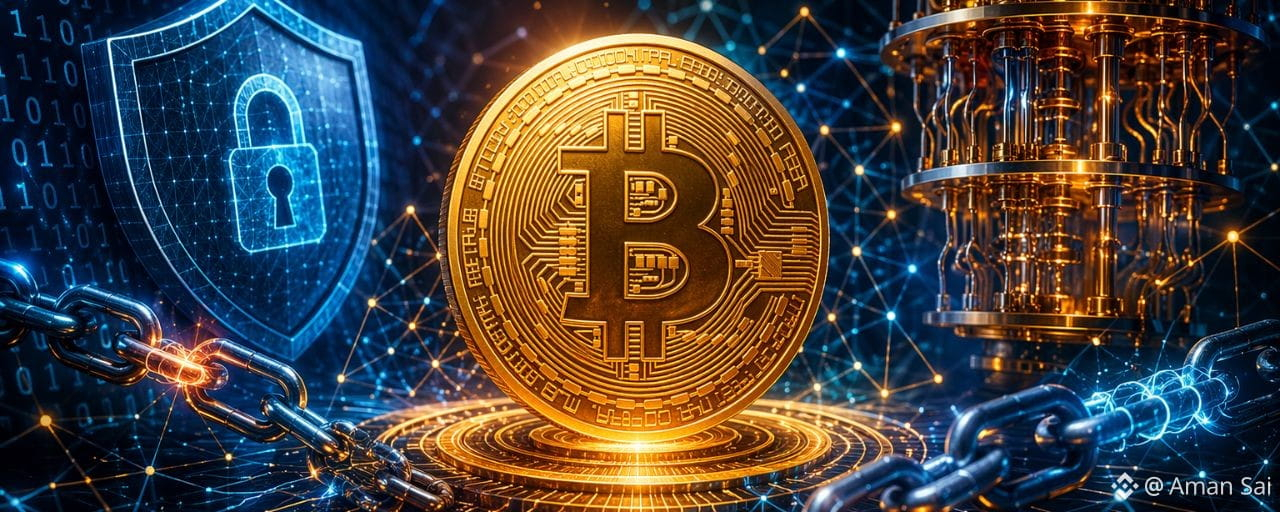
Безопасность Биткойна основана на криптографии с эллиптическими кривыми (ECC) — односторонней математической системе, где:
Закрытый ключ → легко генерирует открытый ключ
Открытый ключ → практически невозможно обратить (с обычными компьютерами)
Думайте об этом так:
👉 Легко закрыть дверь
👉 Невозможно угадать ключ, просто глядя на замок
🔐 Откуда приходит риск
Мощный квантовый компьютер может сломать эту «одностороннюю» систему, используя алгоритм Шора.
Вместо того чтобы пытаться случайные предположения, как классические компьютеры, он:
Обрабатывает множество возможностей одновременно
Использует квантовые эффекты для фильтрации правильного ответа
Восстанавливает приватный ключ из публичного ключа
👉 И как только кто-то получит ваш приватный ключ = он контролирует ваш Биткойн
⏱ Идея «9-минутной атаки»
Новая теоретическая модель показывает:
Большую часть тяжелых вычислений можно выполнить заранее
Когда ваш публичный ключ становится видимым (например, когда вы отправляете транзакцию):
Злоумышленнику нужно только завершить последний шаг
Это может занять ~9 минут
Теперь сравните:
Время блока Биткойна ≈ 10 минут
👉 Значит:
Существует реальный временной промежуток, когда злоумышленник мог бы:
Выводите свой приватный ключ
Отправить конкурирующую транзакцию
Потенциально украсть ваши средства до подтверждения
⚠️ Большой риск, который большинство людей упускает
Некоторые кошельки уже имеют публичные ключи, доступные в цепочке
Эти даже не требуют гонки со временем
Злоумышленник мог бы не спешить и сломать их позже
🧠 Важная проверка реальности
Это не происходит сегодня, потому что:
Квантовые компьютеры пока недостаточно мощные
Необходимый масштаб все еще крайне сложно построить
Но ключевой сдвиг заключается в следующем:
👉 Таймлайн становится короче и более реалистичным
🚨 Почему это важно
Безопасность Биткойна сегодня не нарушена
Но технологии будущего могут полностью изменить правила
Отрасли, вероятно, понадобятся обновления, устойчивые к квантовым атакам, прежде чем это произойдет
🧩 Простое резюме
Прямо сейчас:
Ваш Биткойн в безопасности
В будущем:
Если квантовая технология достигнет необходимой мощности →
шифрование может быть отменено, а не только защищено
И это фундаментальный сдвиг, который большинство людей все еще недооценивало.