
This morning I was sitting at my kitchen table in Islamabad, sipping tea and staring at the steam rising from the cup, thinking about how most things we "own" in daily life feel borrowed anyway—our phones, our routines, even the time we spend on them. Ownership has always been more illusion than fact, a story we tell ourselves to feel anchored.
Then I opened the CreatorPad campaign task on Binance Square and clicked into the section for posting about Pixels. The screen showed the familiar input field with the #pixel hashtag requirement and the character counter ticking up as I typed. It was a simple action: craft a post, mention the project naturally, hit submit to log the activity for the leaderboard. Nothing dramatic. But in that moment, as I watched my words appear in the preview pane before publishing, something shifted. The task forced me to reflect on actual player behavior in Pixels—how land plots aren't just collectibles but active production spots where ownership translates into ongoing decisions rather than one-time purchases. That small interaction disturbed a long-held assumption I had carried into crypto spaces.
True ownership in web3 gaming doesn't liberate players; it quietly burdens them with the same psychological weight as real-world assets, only without the tangible payoff most expect. We like to believe blockchain ownership flips the script from passive consumption to empowered participation, turning gamers into stakeholders who care deeper because they "own" something verifiable. But performing that task made me see how often it just reframes the same old attachment anxiety: now you're not grinding for pixels on a company server—you're tending a plot that can be traded, diluted, or left behind, all while the game loop nudges consistency over speculation.
This isn't unique to Pixels, though the game serves as a clear mirror. In Pixels, players farm, build, and interact on owned land in a pixelated world that feels approachable at first glance. The ownership layer sits underneath the casual farming and socializing, turning what could be light play into a subtle ledger of commitments. Yet the discomfort arises when you realize most participants still treat it transactionally—log in, harvest, check value—rather than sinking into the kind of unthinking loyalty traditional games sometimes foster through pure progression. The common crypto belief that "owning your assets changes everything" starts to crack here. It doesn't always deepen engagement; sometimes it introduces hesitation, calculation, or even quiet exit ramps when the emotional return doesn't match the mental overhead of true custody.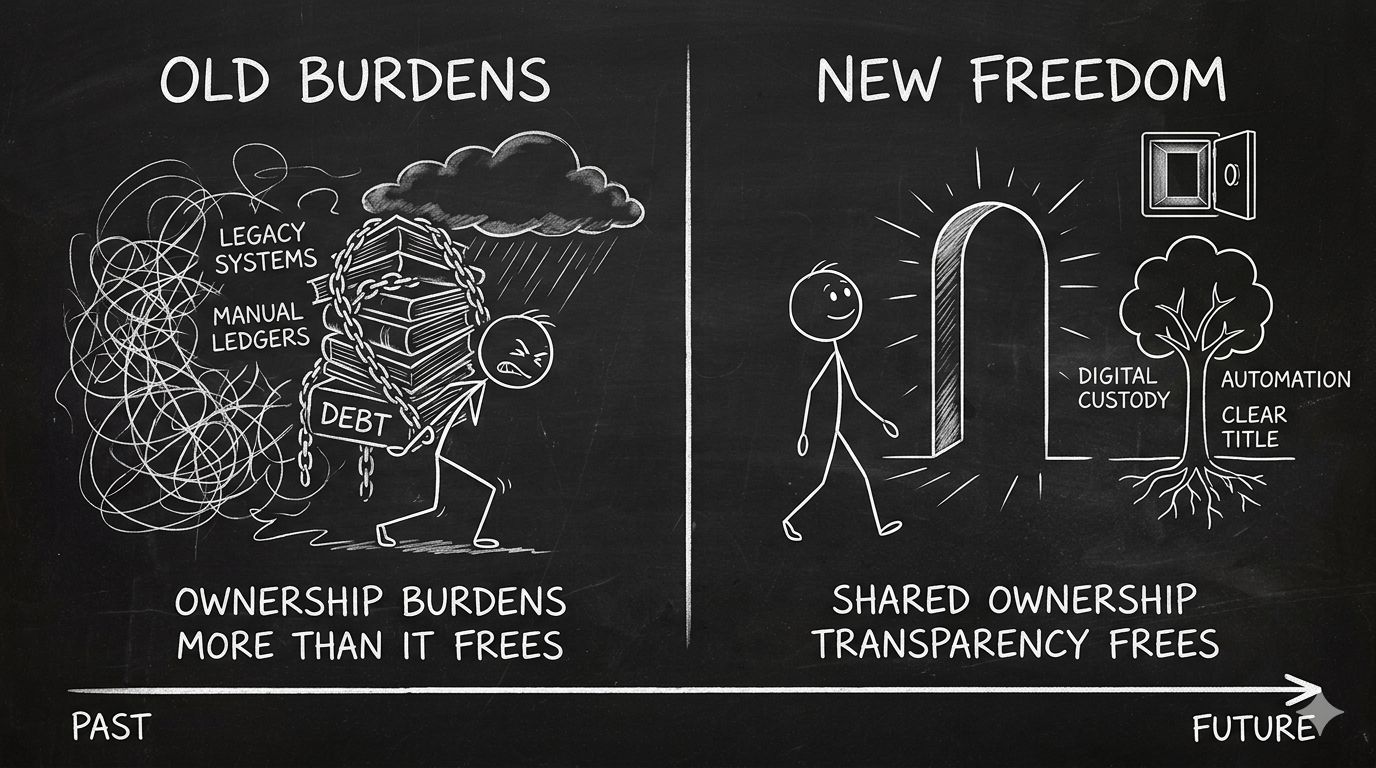
Expand that outward and the pattern repeats across web3. We entered this space chasing the promise that decentralization would dissolve gatekeepers and hand control back to individuals. Instead, it often replaces one form of dependency with another: wallets, gas considerations (even if minimized), market volatility baked into personal identity. In Pixels' case, the farming feels habit-forming precisely because ownership is woven in lightly, not shoved forward as the main event. But that lightness reveals the unease—real ownership psychology isn't about freedom from the developer; it's about whether players want the responsibility of stewardship when the fun might evaporate under the weight of "my asset, my decision."
Pixels stands out as an example because it sidesteps the loud hype cycles of earlier web3 titles. It doesn't scream revolution through token mechanics alone. Players move through its world, claiming land or joining activities, and ownership emerges as a byproduct of play rather than the headline. Still, the task of writing about it forced an honest pause: if ownership is supposed to be the killer feature, why does it so often feel like an added layer of cognitive load rather than pure empowerment? Many still chase the upside without embracing the downside of actual skin in the game.
What lingers is whether we're building systems that genuinely alter human behavior or simply repackaging old incentives with better marketing and immutable records. The discomfort isn't in rejecting ownership—it's in admitting that for most, the psychological shift might be smaller, and more burdensome, than the narrative suggests. @Pixels #pixel $PIXEL