

At first, I thought Pixels was just a soft farming game.
You plant. You water. You craft. You walk around. Everything feels simple, almost too simple. And honestly, that was exactly why I didn’t expect much from it at the beginning.
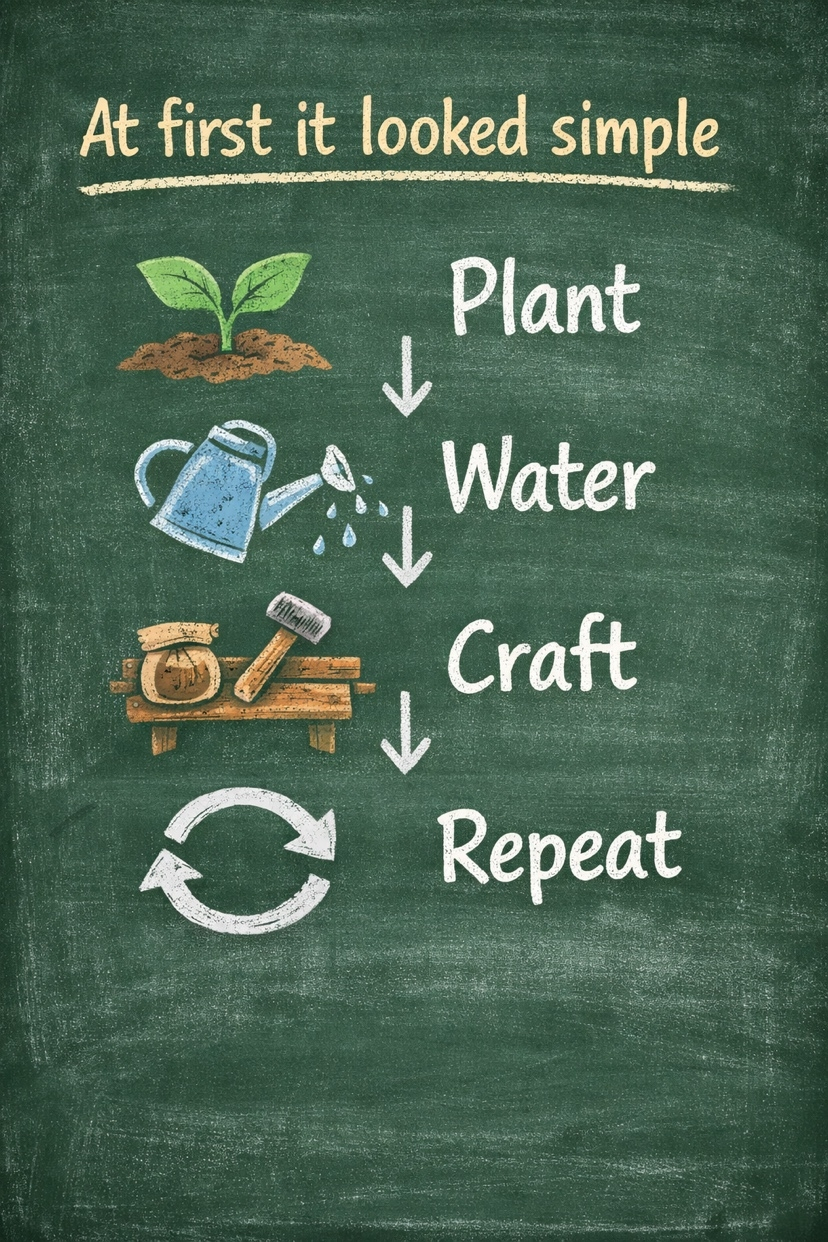
But after spending more time inside the game, I started noticing something strange.
Pixels does not explain value with big words.
It makes you feel value through repetition.
The first days are easy. You move fast, complete tasks, and feel like progress is natural. But then the rhythm changes. Resources matter more. Time matters more. Efficiency matters more. Small decisions start having bigger consequences.
That is when I realized Pixels was not only giving me a game loop.
It was teaching me a system.
A seed is no longer just a seed.
It becomes a choice.
An action is no longer just a click.
It becomes a tradeoff.
And progression is no longer about doing everything.
It becomes about understanding what matters most.
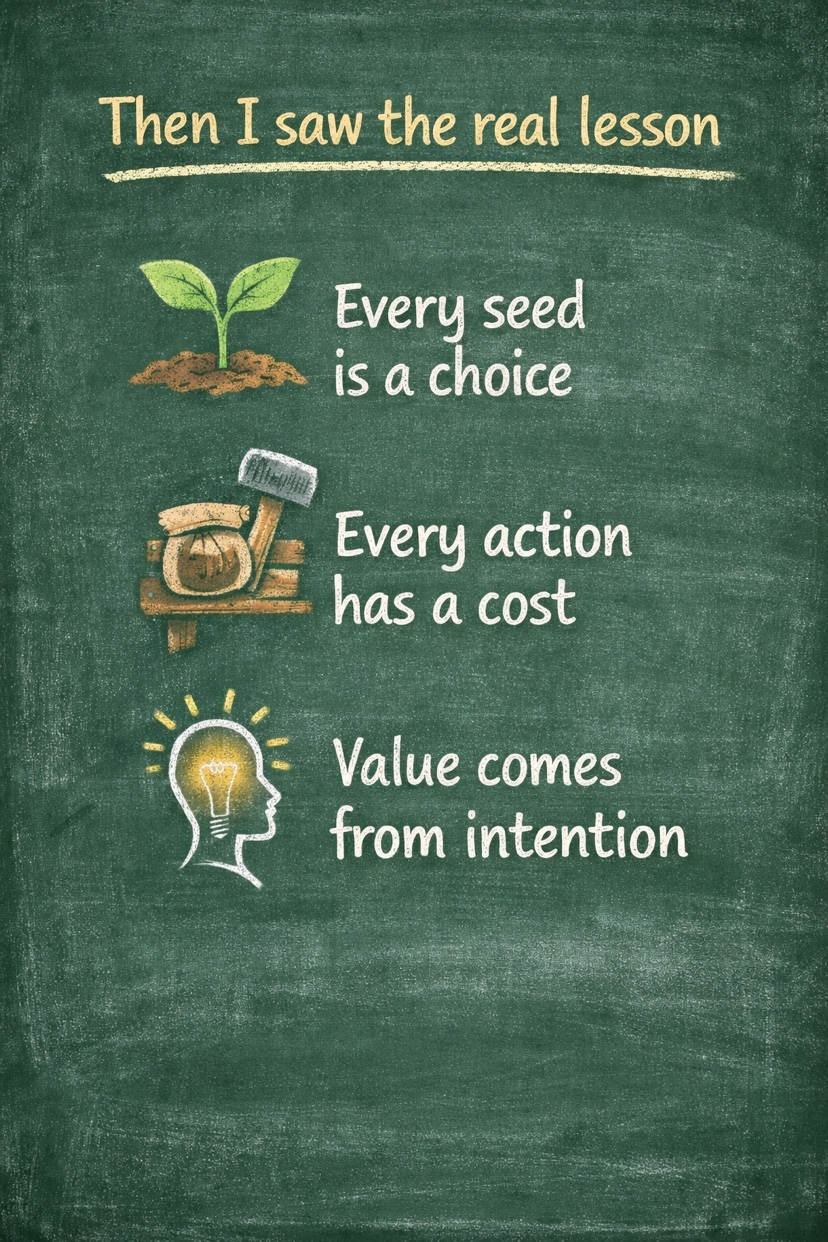
That is why Pixels feels different to me.
It does not throw economic theory at the player.
It lets the player discover it slowly through play.
In many games, rewards are just decoration.
In Pixels, rewards are tied to behavior.
The system quietly pushes you to notice scarcity, coordination, routine, and opportunity cost without ever making the experience feel like homework.
So the real lesson is not farming.
It is perception.
Pixels teaches that value is not always loud.
Sometimes it appears in the moment you stop playing randomly and start acting with intention.