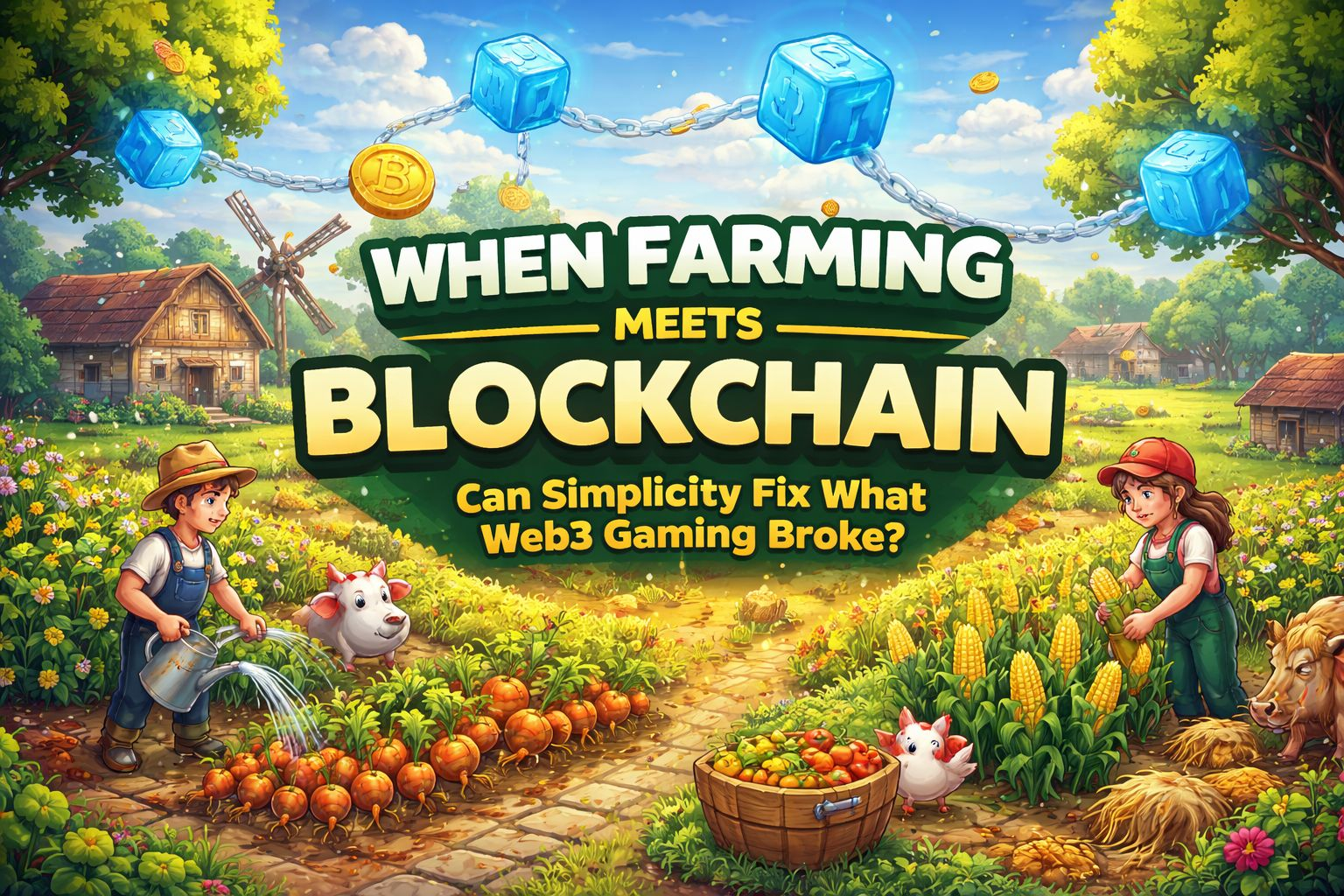
Странная вещь@Pixels происходит в блокчейн-играх на протяжении многих лет. Каждый новый проект утверждает, что решает одну и ту же проблему: игроки должны по-настоящему владеть тем, что они зарабатывают в игре. На бумаге эта идея звучит мощно. На практике она редко работала так гладко, как обещали. Многие игроки, которые вошли в ранние блокчейн-игры, в конечном итоге осознали что-то неудобное — само по себе владение не делает игру увлекательной.
Прежде чем такие проекты, как Pixels, начали привлекать внимание, индустрия уже прошла через несколько волн экспериментов. Первая генерация блокчейн-игр пыталась привязать сильные финансовые стимулы к игровому процессу. Предположение было простым: если игроки могли зарабатывать токены, играя, экосистема будет расти естественно. Но на самом деле произошло более сложное. Многие из этих игр стали доминировать людьми, которые рассматривали их как источники краткосрочного дохода, а не как развлечение. Когда финансовые вознаграждения замедлились, так же замедлилась и активность игроков.
Этот опыт тихо выявил более глубокую проблему. Устойчивое игровое экономическое пространство не может зависеть только от вознаграждений. Оно также нуждается в мире, в который люди хотят возвращаться, даже когда в тот день нечего зарабатывать. В традиционных играх эта мотивация часто возникает из исследования, творчества, социального взаимодействия или простой привычки. Блокчейн-проекты пытались воссоздать это, но многие слишком сильно сосредоточились на механике токенов и недостаточно на ощущении самой игры.
Здесь становится интересно наблюдать за направлением дизайна Pixels. Вместо того чтобы сначала строить сложную финансовую систему, игра представляет собой очень привычную концепцию: расслабленный фермерский мир, где игроки сажают культуры, собирают ресурсы, создают предметы и постепенно развивают свою землю. Визуальный стиль намеренно прост, почти ностальгический. Он напоминает о типе небольших браузерных игр, которые люди раньше открывали небрежно во время перерывов, а не о высококонкурентной онлайн-среде.
На первый взгляд игра выглядит почти обыкновенно. Но за этой простотой скрыт блокчейн-слой, который управляет определенными цифровыми активами и экономическими активностями. Игроки могут взаимодействовать с игровыми ресурсами через обычный игровой процесс, в то время как отдельный токен под названием PIXEL существует для поддержки специфических функций, таких как улучшения, решения по управлению и взаимодействие с более широкой экосистемой. Проект также интегрирует владение землей через NFT, позволяя некоторым игрокам контролировать участки фермы, которые могут использовать другие участники.
Практическое значение этой структуры важно. Игра, похоже, отделяет повседневный игровой процесс от более сложной токеномики. Вместо того чтобы заставлять каждое действие включать блокчейн-транзакции, большая часть игрового опыта остается привычной и простой. Блокчейн-компонент вступает в игру в основном тогда, когда становится актуальным владение или передача ценности.
С точки зрения дизайна этот подход отражает урок, который индустрия медленно усвоила. Игроки редко хотят думать об инфраструктуре, пока они играют. Они хотят взаимодействовать с игровым миром, а не с кошельками, сборами или сложной механикой токенов. Упрощая игровой процесс и размещая элементы блокчейна немного на заднем плане, проект пытается уменьшить это трение.
Тем не менее, модель вызывает некоторые естественные вопросы. Фермерские и симуляционные игры могут привлечь сильный ранний интерес, но поддержание долгосрочной вовлеченности требует постоянных обновлений, новых механик и развивающихся социальных взаимодействий. Если игровой мир перестанет расширяться, первоначальный восторг может угаснуть, независимо от того, насколько хорошо спроектирована токеномика.
Еще одна проблема заключается в балансе между игроками, которые владеют ценными цифровыми землями, и теми, кто просто участвует в мире. Системы владения могут создавать мощные стимулы для инвестиций, но они также могут переработать социальную динамику игры. Если определенные игроки структурно выигрывают от активов, в то время как другие лишь вносят труд в систему, напряжение может медленно возникать.
Существует также более широкий психологический аспект блокчейн-игр. Как только токены становятся торговыми активами, некоторые игроки неизбежно начинают воспринимать игру как экономическую возможность, а не как развлекательное пространство. Этот сдвиг не обязательно разрушает экосистему, но изменяет мотивации внутри нее. Фермерская игра может ощущаться совсем иначе, когда участники рассчитывают прибыльность, а не просто сажают культуры ради удовольствия.
Несмотря на эти неопределенности, тихий рост Pixels предполагает, что более медленная и непринужденная философия дизайна может лучше откликнуться у игроков, чем агрессивные эксперименты «заработай первым», которые доминировали в ранних играх Web3. Вместо того чтобы обещать финансовую революцию, проект, похоже, проверяет, может ли простой цифровой мир с легкими экономическими слоями пережить достаточно долго, чтобы развить реальное сообщество.
Что остается неопределенным, так это то, сможет ли этот баланс между игровым процессом и блокчейн-экономикой удерживаться со временем. Если игра становится популярной в первую очередь потому, что людям нравится проводить время в ее мире, система токенов может казаться второстепенной. Но если экономика снова начнет доминировать в опыте, тот же цикл, который повлиял на ранние проекты, может вернуться.
Возможно, самый интересный вопрос не в том, может ли блокчейн поддерживать игры, а в том, может ли он оставаться тихо на заднем плане, пока игроки сосредоточены на самой игре. Если этот баланс когда-либо действительно сработает, успех может прийти не от громкой технологии — а от того, что игроки едва замечают ее вообще.