
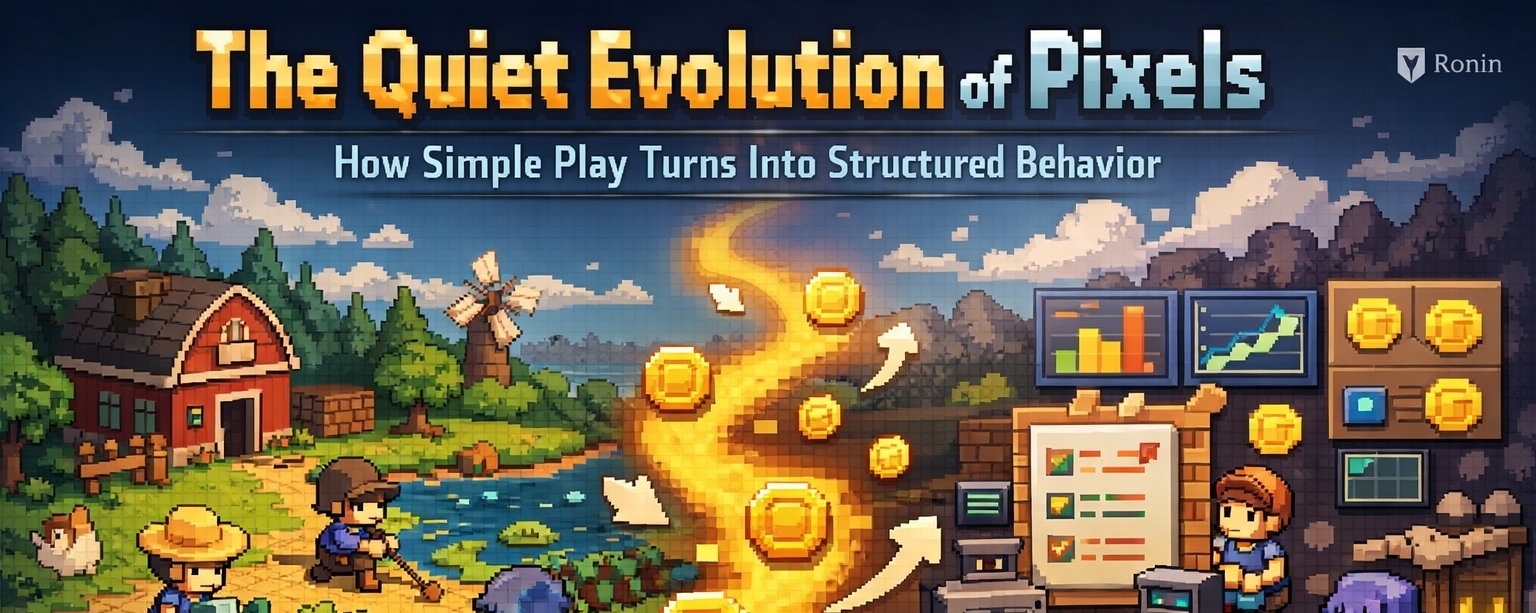
I’ve been thinking about how quietly things change inside games like Pixels. Not the obvious updates or new features, but the small, almost invisible shifts in how people behave. When I first stepped into it, everything felt calm and open. There was no pressure to be efficient, no need to rush. I remember just moving around, planting, exploring, figuring things out without really thinking about outcomes. It felt less like playing a system and more like spending time in a space that didn’t expect anything from me.
What stood out to me back then was how natural everything felt. People weren’t trying to maximize anything. They made choices based on curiosity, not calculation. There was a kind of softness to the experience. You could take your time, do things in your own way, and it still felt meaningful. Even the inefficiency had its own charm. It made the world feel alive, like it wasn’t built to be solved.
But over time, something began to shift. It didn’t happen suddenly. There wasn’t a clear moment where everything changed. It was more like a slow adjustment in how people approached the game. The shift was subtle at first. Rewards became clearer, systems became easier to understand, and gradually, players started to respond to that clarity. It started to feel like people weren’t just playing anymore—they were thinking ahead, planning, optimizing.
The more I watched, the more noticeable it became. Conversations changed. Instead of sharing experiences, people began sharing strategies. Instead of asking “what can I do here?”, the question became “what works best?” That difference seems small, but it changes everything. One is driven by curiosity, the other by outcome. And once that mindset takes hold, it spreads quickly.
What looked like growth on the surface carried a different feeling underneath. There were more players, more activity, more movement. But it didn’t feel as alive as before. It started to feel structured, almost mechanical. Players followed patterns, repeated actions, and stayed within paths that were already proven to work. It wasn’t forced—it just made sense to play that way if you wanted to keep up.
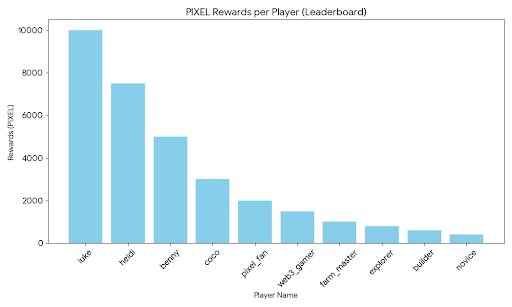
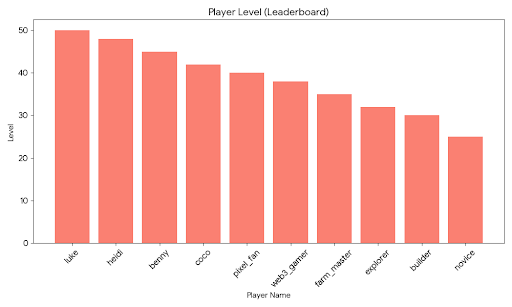
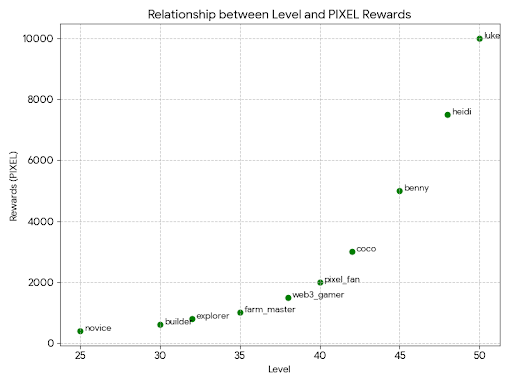
The introduction of things like leaderboards made this even clearer. Competition has a way of sharpening focus, but it also narrows it. When rewards are tied to performance, people naturally move toward the most efficient way to win. Over time, that reduces the space for experimentation. Creativity doesn’t disappear completely, but it becomes less common. There’s less room for wandering, less reason to try something different when the “right” way is already known.
It started to feel like the game was being approached from the outside rather than lived from within. Players weren’t really inside the experience anymore—they were interacting with it, almost like solving a problem. The more efficient they became, the further they moved from that original feeling of simply being there.
And that’s where something deeper begins to change. Incentives don’t just guide behavior, they shape it. They slowly redefine what it means to play. When rewards become the main focus, everything else adjusts around them. Actions become tools, time becomes a resource, and the experience itself becomes something to extract from rather than engage with.
There’s a moment in these systems where everything still looks fine. The game is active, people are engaged, and from the outside, it seems like things are growing. But underneath, something starts to thin out. The sense of connection fades. The small, personal moments that once made the experience feel real become less frequent. What remains is activity, but not the same kind of presence.
I found myself noticing the small things more than anything else. The way players moved with purpose instead of curiosity. The way decisions became quicker, more calculated. The way repetition replaced exploration. None of it felt wrong—it just felt different. And that difference kept growing, slowly, over time.
What stayed with me wasn’t a single change, but the pattern behind all of it. Systems like this don’t break all at once. They evolve in quiet ways. They adjust to incentives, to behavior, to pressure. And in doing so, they become something new without ever clearly announcing it.
Somewhere along the way, the reason for being there shifts. Not in a dramatic way, but in a quiet, almost unnoticeable one. And once that shift happens, the experience doesn’t disappear—it just feels different.