
Pixels Is Building Retention Before It Builds Hype
Web3 gaming has spent years chasing the same shortcut. Launch a token, push rewards hard, attract a crowd, post impressive numbers, and hope excitement lasts long enough to look like success. For a while, that model worked often enough to fool people. But the pattern always broke in the same place. Once extraction slowed down, attention disappeared with it.
That is why Pixels feels different
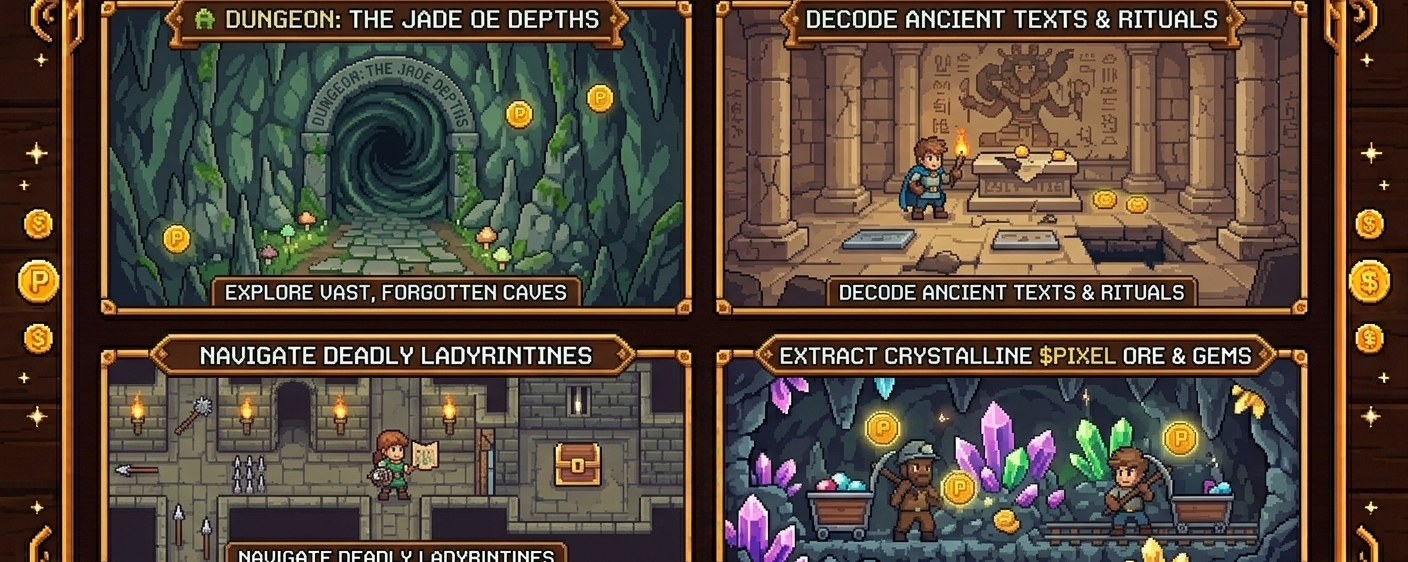
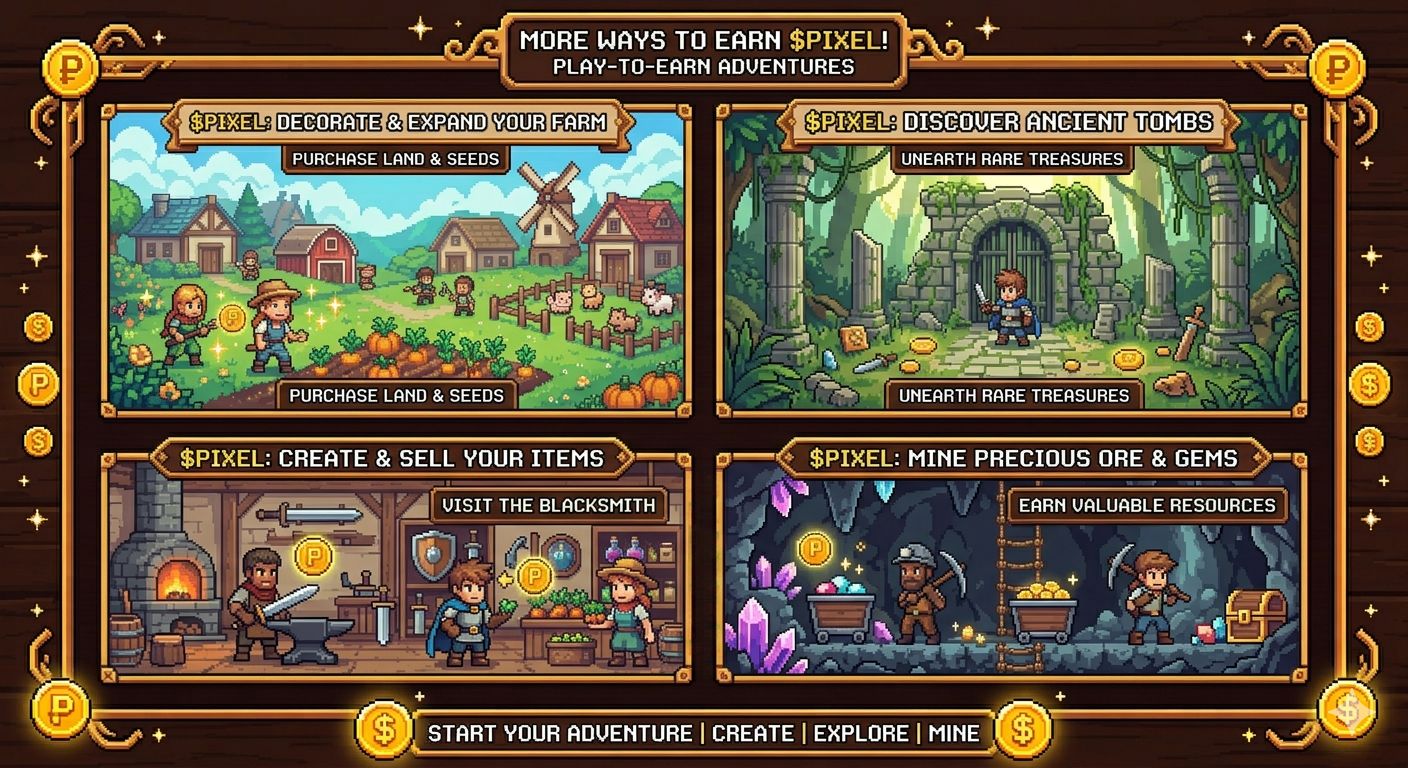
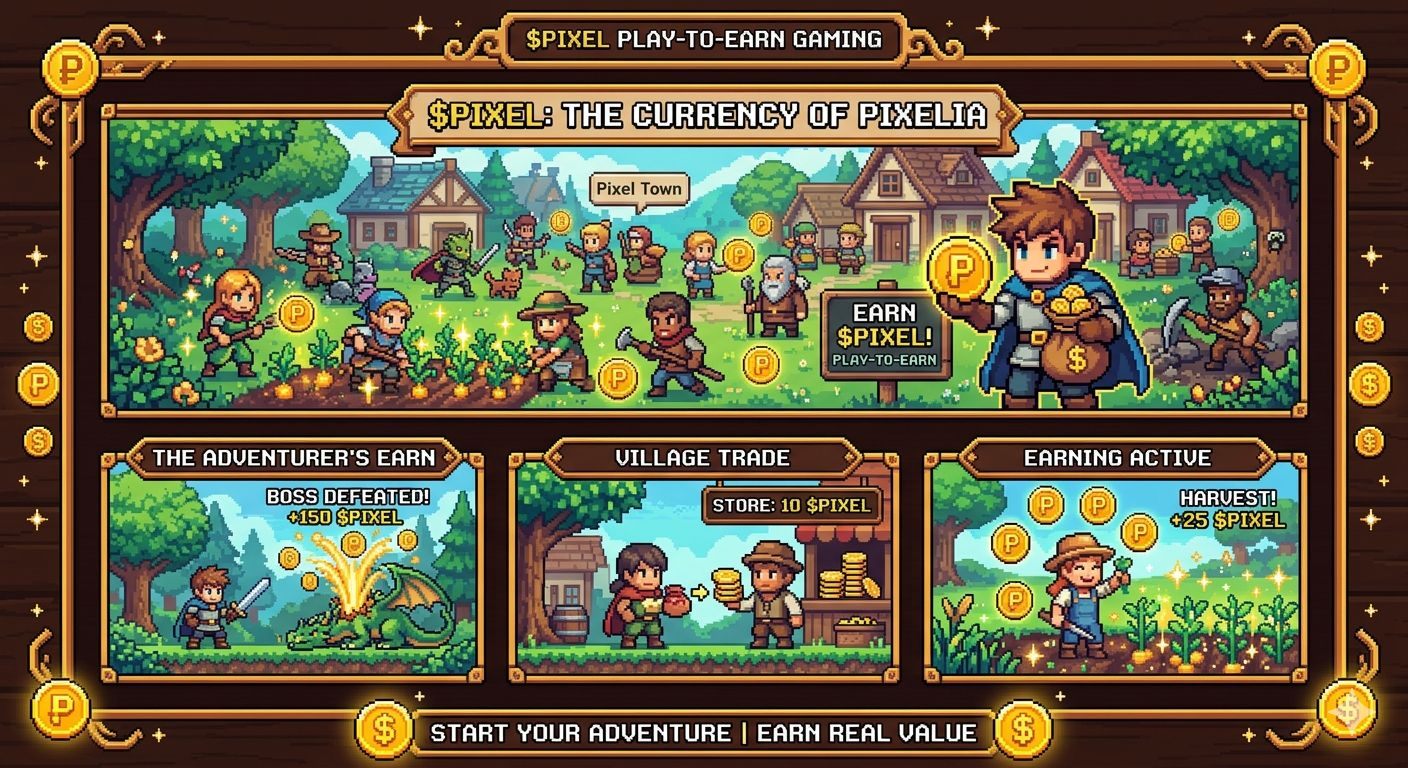
At first glance, it does not look like the kind of project people usually describe as important infrastructure for the future of blockchain gaming. It looks simple, friendly, and easy to enter. Farming, crafting, exploration, social activity, colorful design. Nothing about it tries too hard to prove seriousness. But that may be part of its strength. Pixels does not behave like a temporary campaign. It behaves like a world that wants people to stay
That distinction matters.
Many Web3 games were built around transaction moments. Pixels feels built around recurring behavior. It gives players reasons to come back, not just reasons to cash out. That creates a very different kind of relationship between user and game. When players return because the loop feels good, because the progression feels steady, because the environment feels familiar, the project starts gaining something far more valuable than short-term activity. It starts building memory.
That is rare in this sector.
A lot of earlier GameFi projects trained users to think like opportunists. The goal was never really to belong anywhere. The goal was to arrive early, collect as much as possible, and leave before the weakness became visible. That mindset damaged almost every ecosystem it touched. Once the user sees the game only as an exit opportunity, the system loses emotional depth. Nothing feels worth protecting. Nothing feels worth growing with.
Pixels appears to be moving away from that trap.
Its systems increasingly push players toward rhythm, participation, and soft attachment instead of pure extraction logic. Features that encourage routine, progression, and shared outcomes do more than improve engagement numbers. They reshape how value is perceived inside the game. The player stops asking only, what can I take today, and starts asking, what can I build over time.
That shift changes everything
Even the way PIXEL functions inside the ecosystem feels more thoughtful than what many GameFi projects attempted in the past. In weaker systems, the token becomes a wall. It blocks access, slows progress, and makes spending feel like punishment. In stronger systems, the token becomes part of the flow. It supports upgrades, personalization, efficiency, and momentum in ways that feel connected to play rather than forced on top of it.
That is a much healthier design language.
When spending feels natural, users do not resist it as strongly. When progression feels earned, they respect it more. When community systems create shared incentives, the world starts feeling less like a product and more like a place with continuity. That is where sustainable gaming begins. Not in noise. Not in token charts alone. In repeated participation that slowly turns into identity.
This is also why Pixels deserves more credit than it often gets. It is not only trying to survive as a single successful title. It increasingly looks like a project learning how to refine incentive design, social coordination, and ecosystem structure in a way that could matter beyond one game loop. That makes it more interesting than many louder competitors whose entire strategy still depends on bursts of attention
Of course, none of this means success is guaranteed.
 The market is crowded. Token pressure is real. Player attention is unstable. What feels strong today can weaken quickly if updates lose quality or momentum becomes too predictable. Web3 still punishes stagnation. Pixels will need to keep proving that calm growth can remain relevant in a market addicted to spectacle.
But the deeper point remains
Projects built only for hype usually reveal themselves quickly. Projects built around habit often look smaller than they really are until much later. Pixels may still appear to some outsiders as just another charming farming game with a token attached. But underneath that soft surface, it may be developing one of the more durable models in Web3 gaming right now.
 Not because it promises the fastest rewards.
Because it seems to understand that the strongest ecosystems are not built by teaching users how to leave. They are built by giving users a reason to return.
