
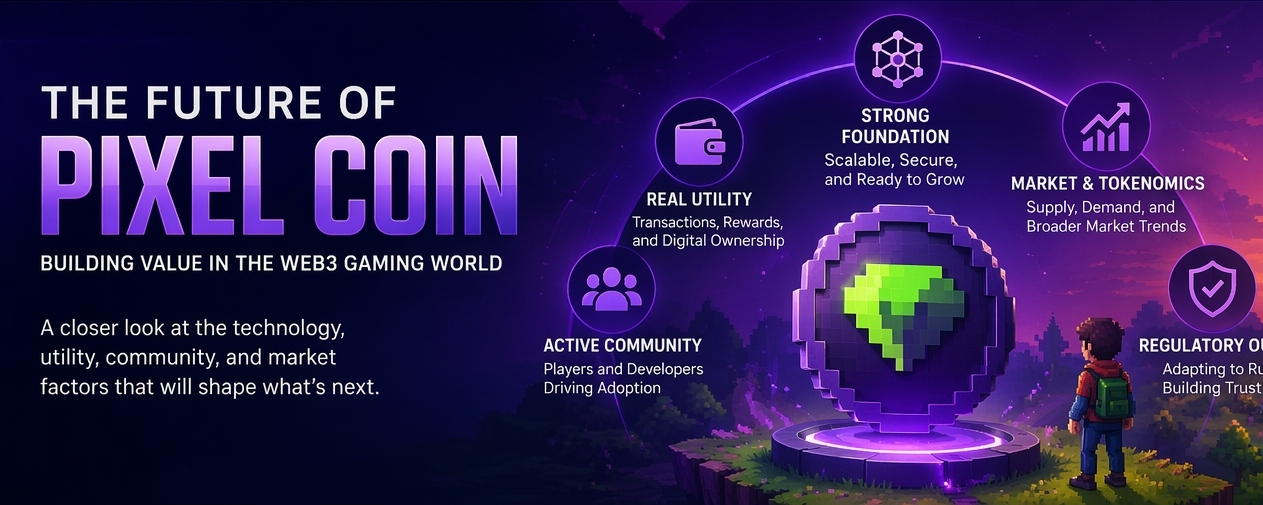

Я не начал исследовать это из-за волнения. Это скорее было медленным, настойчивым раздражением. Наблюдая за игроками, проводящими часы в ончейн-играх, только чтобы увидеть, что эти усилия не приводят к чему-то долговечному, начало казаться повторяющимся. Владение существовало в теории, но связь между вложенным временем и сохраненной ценностью казалась слабой.
По сути, проблема проста: большинство экономик игр Web3 функционирует в изоляции. Активы циркулируют, токены распределяются, но реальный спрос часто зависит от постоянного потока новых пользователей, а не от встроенной полезности. Это как тематический парк, где билеты можно обменивать, но они теряют свое назначение в тот момент, как только вы выходите за пределы.
То, что сейчас меняется, более тонко. Вместо того чтобы позиционировать токен исключительно как вознаграждение, система постепенно переопределяет его как форму доступа. Определенные функции премиум-слоев, участие в гильдиях, пути прогресса требуют удержания или траты токена. Не в спекулятивном смысле, а как своего рода слой разрешений. Взаимодействие меняется: вы не просто зарабатываете в игре, вы ориентируетесь в структуре, где токен открывает конкретные опыты.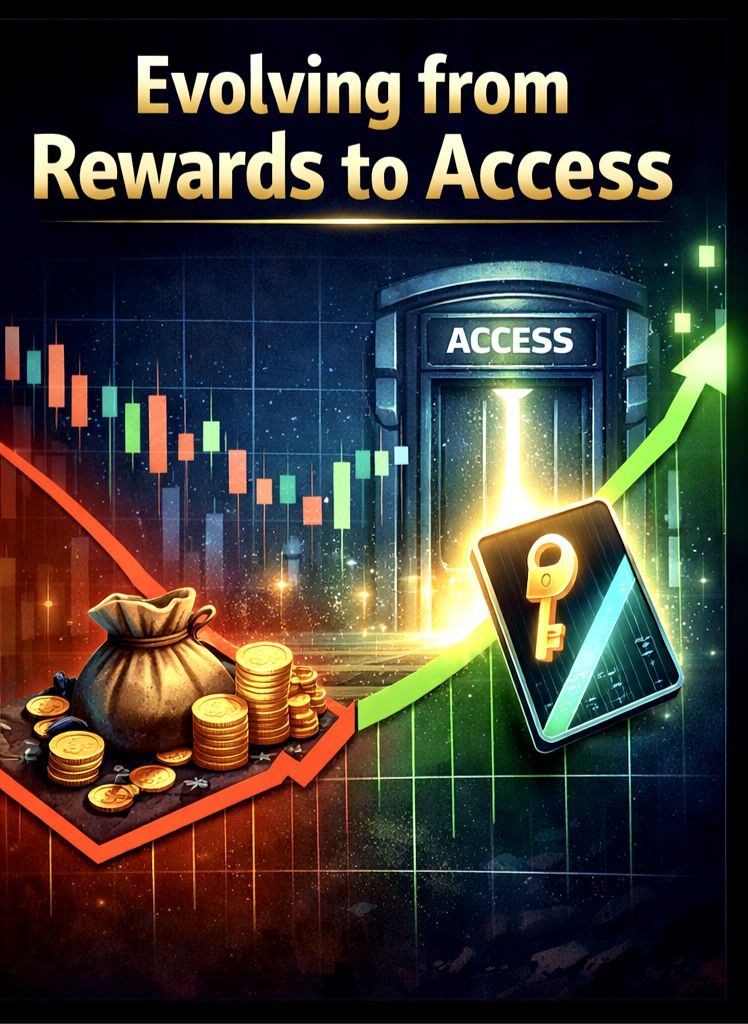
Лучший способ думать об этом — не как о очках в аркадной игре, а как о карте членства. Ценность заключается не только в накоплении большего количества, но и в том, что этот доступ открывает со временем.
Под поверхностью выделяются два выбора реализации. Во-первых, дизайн с двойным контуром отделяет повседневный игровой процесс от уровня токенов: мягкие игровые ресурсы обрабатывают рутинную активность, в то время как токен связан с доступом, статусом и механиками более высокого уровня. Это помогает уменьшить постоянное давление продаж от базовой игры. Во-вторых, ранние интеграции с внешними рынками и уровнями идентичности предполагают, что активы и прогресс не полностью ограничены, даже если настоящая интероперабельность все еще развивается.
В этой настройке роль токена становится более функциональной, чем символической. Он служит ключом, который иногда тратится на улучшения или сборы, иногда удерживается для входа в гильдии или премиум-уровни, и иногда ставится для долгосрочной позиции. Это не гарантирует спрос, но связывает использование с реальными игровыми решениями, а не с абстрактными стимулами.
С точки зрения рынка, пиковое число активных пользователей за день достигло сотен тысяч, хотя удержание остается непостоянным. Скорость обращения токенов все еще вызывает беспокойство, особенно в периоды разблокировки, когда новое предложение поступает быстрее, чем механизмы спроса могут его поглотить.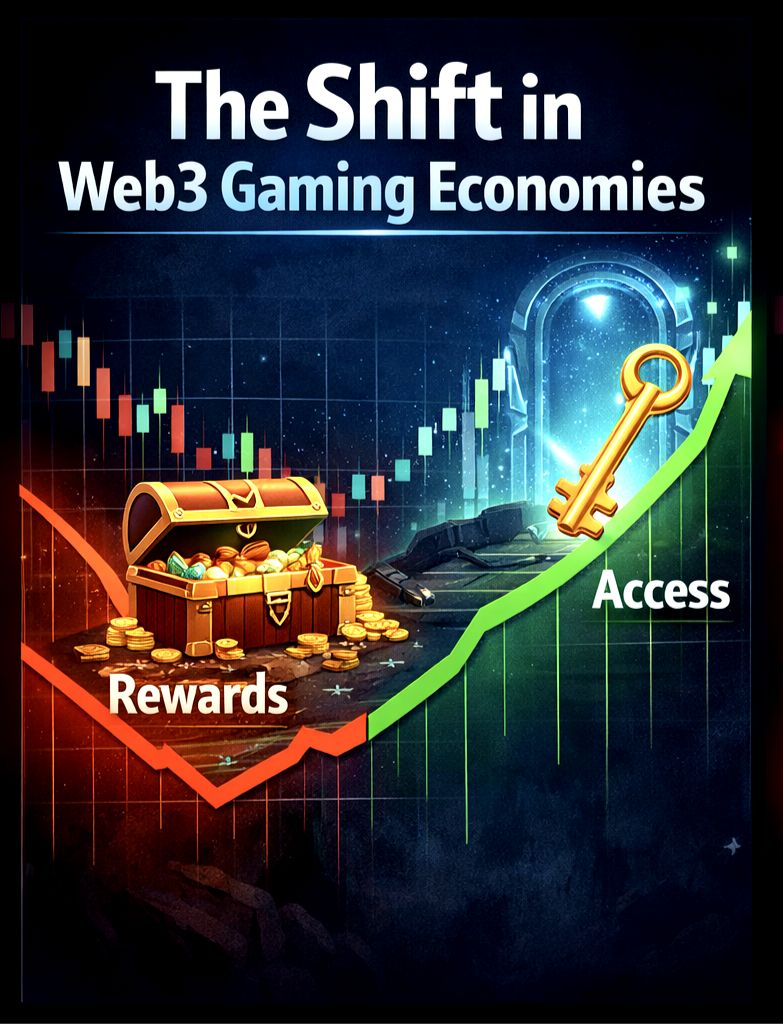
В краткосрочной перспективе он ведет себя как большинство игровых токенов, чувствительных к циклам внимания, обновлениям и более широким настроениям. Трейдеры продолжат рассматривать его как актив, ориентированный на события. Но инфраструктура развивается по другой временной шкале. Если эта модель, основанная на доступе, сохранится, долгосрочная ценность будет зависеть меньше от хайпа и больше от того, находят ли игроки последовательные причины оставаться вовлеченными.
Существуют очевидные риски. Конкурирующие экосистемы экспериментируют с аналогичными моделями, и затраты на переключение игроков остаются низкими. Если премиум-функции ощущаются как необязательные, а не как необходимые, спрос может ослабнуть. Вероятный сценарий неудачи — это пользователи, оптимизирующие свои действия, чтобы полностью избежать использования токенов, оставаясь в бесплатных циклах, в то время как ликвидность уходит через разблокировки.
Существует также более глубокая неопределенность: действительно ли игроки ценят владение ончейном достаточно, чтобы оправдать добавленную сложность, или более простые оффчейн-опыты остаются более привлекательными.
На данный момент он находится где-то посередине. Не полностью закрытая внутренняя экономика, еще не зрелый уровень инфраструктуры. Направление логично, но выполнение займет время, и принятие редко идет по прямой линии. На этом этапе это больше похоже на развивающийся эксперимент, который все еще пытается найти свою окончательную форму.
