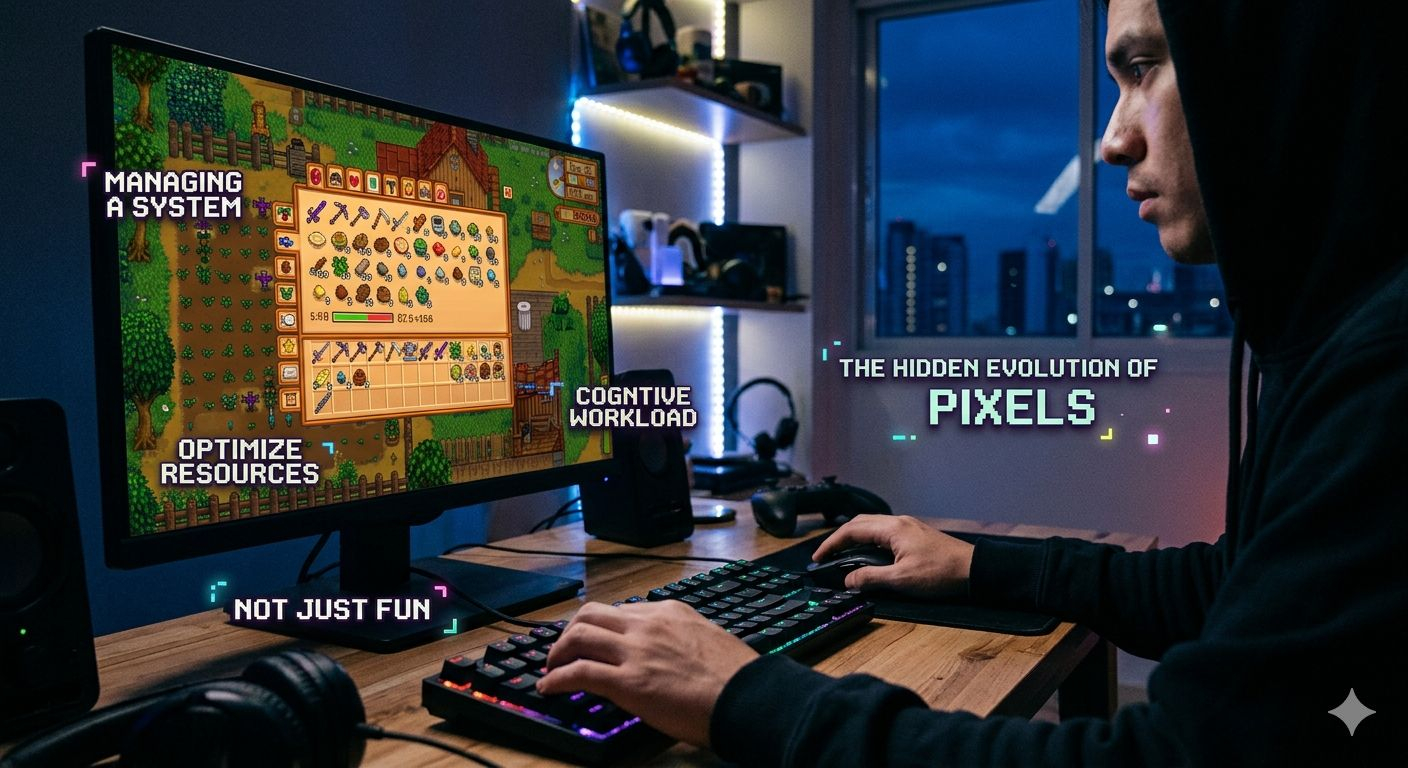
I didn’t expect a simple farming game like Pixels to slowly turn into something that feels closer to managing a living system than just playing for fun. At first, it looked light—almost effortless. You log in, plant crops, harvest them, craft a few items, sell them, and repeat. Nothing stressful. Just a clean loop you can step in and out of.
But that version of the experience doesn’t stay the same for long.
What starts as a casual game slowly shifts into something more demanding in a quiet way. Your inventory grows faster than expected. New items appear. Crafting chains become longer. Suddenly, you’re not just playing; you’re deciding what to keep, what to sell, and what might be useful later. That small moment of hesitation when opening your inventory is where the game changes its identity.
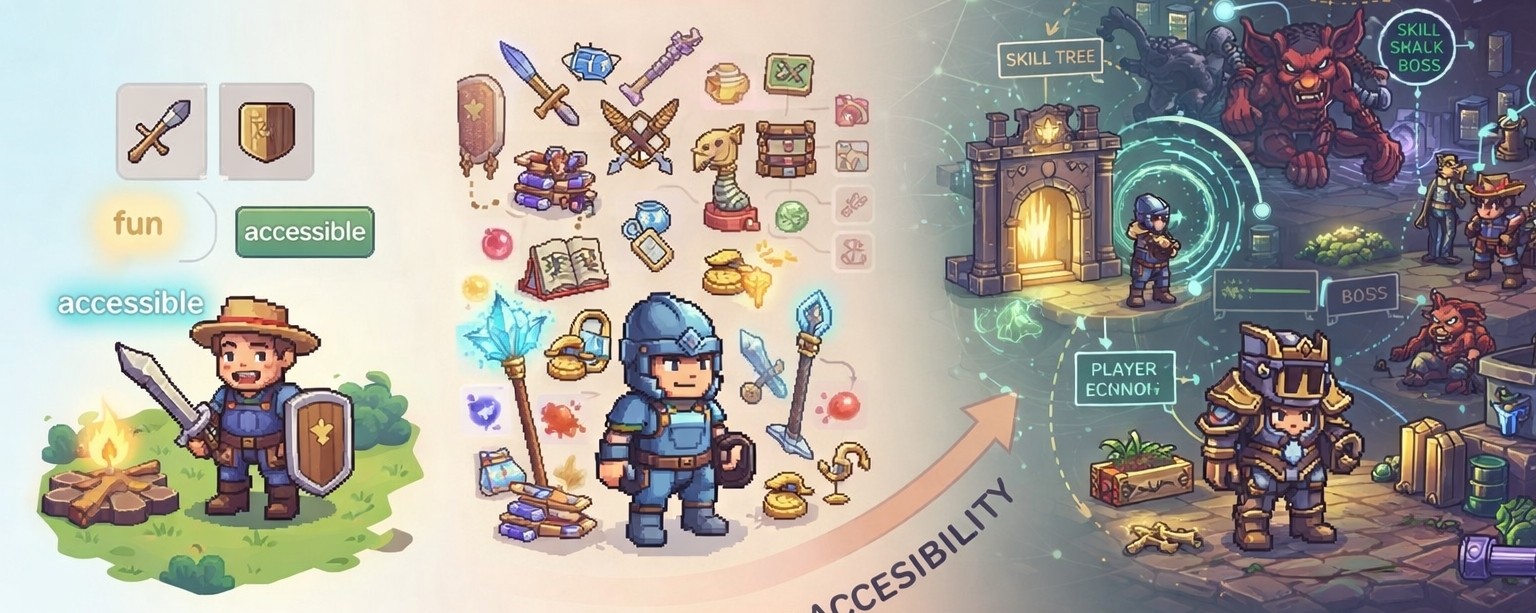
**Without announcing it, the focus moves from what feels fun to what makes sense.**
I started noticing that my decisions weren’t based on enjoyment anymore. They were based on efficiency. If I farm this now, I can craft that later. If I sell this, I can reinvest into something more useful. It becomes less about actions and more about systems connecting to each other. That’s where the hidden shift happens. You don’t realize when the game stops being a relaxing loop and starts becoming something you manage.
**And once you enter that mindset, it’s hard to go back.**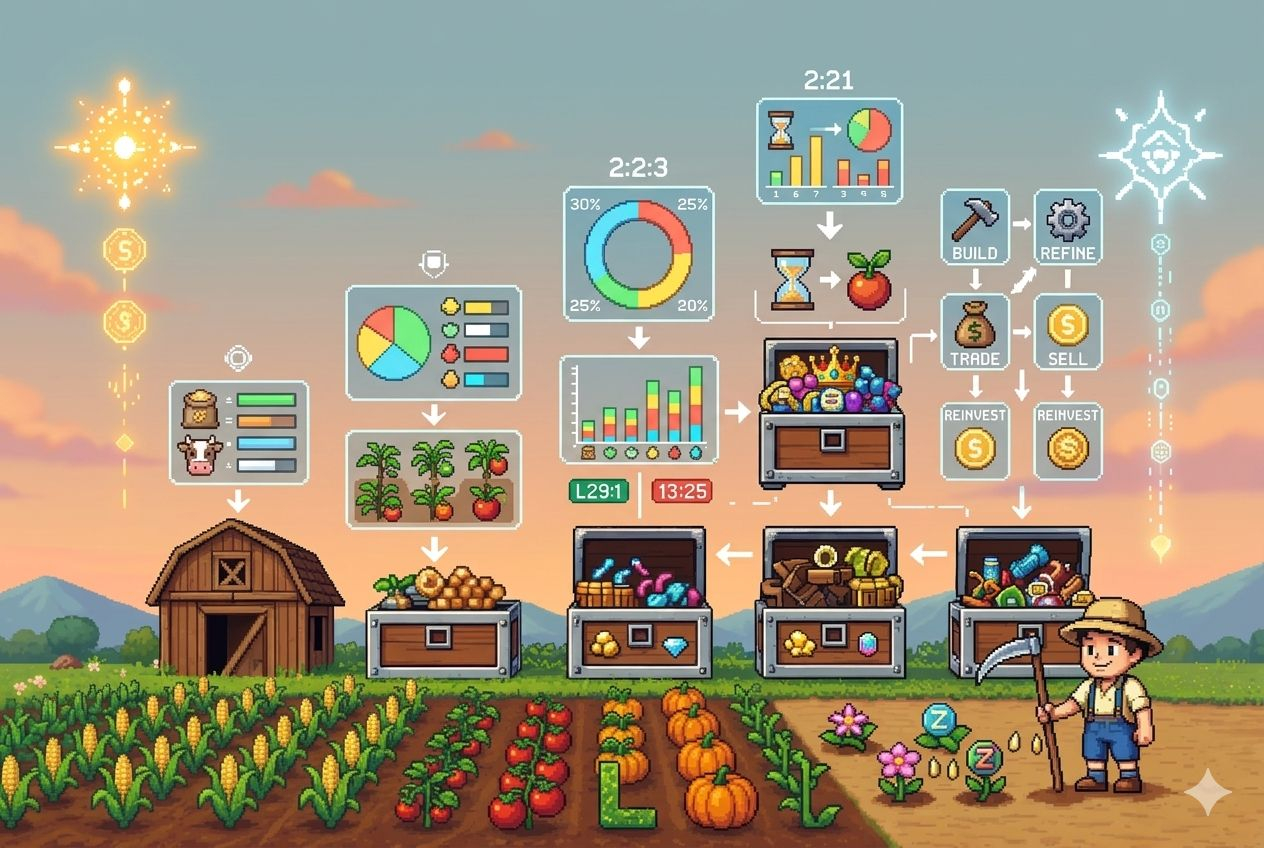
Time slowly becomes the real resource. Not just in-game currency, not even tokens, but attention itself. You don’t log in just because you want to; you log in because things need to be handled. Crops are ready. Inventory is full. Something needs optimization. Missing a cycle starts to feel like losing progress.
At that point, it’s no longer just playing. It feels like maintenance.
**And maintenance is a different experience from fun.**
At the same time, I also started seeing another layer beyond gameplay. Pixels doesn’t really behave like a typical Web3 game that constantly reminds you about tokens or blockchain. Instead, it feels more like a product where those systems exist quietly in the background, while the user experience stays simple on the surface.
**That matters more than it seems.**
Most Web3 projects fail early because they force too much complexity upfront. Wallets, technical steps, and heavy explanations often come before any real enjoyment. Pixels does the opposite. It lets you play first. You understand progress through action, not theory.
That’s what makes it easier to stay.
Over time, it feels less like a crypto game and more like a digital environment where ownership, trading, and progression happen naturally. You don’t need to think about Web3 to interact with it; you just play, and the system works underneath.
That shift is important because it changes who can actually use it. It removes pressure from identity and focuses on behavior instead. People don’t enter because they believe in a system. They enter because the system is usable.
And that’s where something bigger starts to form. Because when users begin caring about inventory value, timing, and resource flow without even thinking about blockchain, they’re slowly adapting to a new kind of digital economy. Not through explanation, but through repetition and habit.
So Pixels ends up sitting in a strange but interesting space. It is both a game that becomes a system to manage, and a Web3 product that stops needing to look like Web3 to work.
The more I look at it, the more it feels like the real transformation is not just in gameplay or technology, but in how people change their behavior inside it without noticing.
**And maybe that’s the real point. Not just to play something. But to slowly learn how to operate within it.**