
Мир наблюдает за одним из самых опасных геополитических конфликтов нашего поколения в реальном времени. Война США с Ираном, начавшаяся 28 февраля 2026 года, не только изменила глобальную политику и рынки энергии — она стала одной из самых мощных сил, влияющих на цены криптовалют в 2026 году. Независимо от того, являетесь ли вы держателем биткойнов, трейдером альткоинов или просто человеком, пытающимся понять, почему рынок крипты продолжает так сильно колебаться, эта статья даст вам полную картину.
🔴 Как началась война США с Ираном?
В январе 2026 года иранские силовики жестко подавили крупнейшие гражданские протесты, которые Иран видел с 1979 года. Президент США Дональд Трамп ответил военными угрозами и начал крупнейшую американскую военную наращивание в Ближнем Востоке с момента вторжения в Ирак в 2003 году. 28 февраля 2026 года авиаудары США и Израиля нацелились на иранские военные базы, правительственные здания и инфраструктуру. Иран ответил, запустив сотни дронов и баллистических ракет на Израиль и американские военные базы по всему региону — включая Бахрейн, Иорданию, Кувейт, Катар, Саудовскую Аравию и ОАЭ.
Конфликт быстро перешел в полномасштабную войну, причем Ормузский пролив — критический водный путь, через который проходит 20% мировых нефти и газа — стал центральной точкой кризиса.
Ормузский пролив — почему он так важен
Ормузский пролив является одним из самых стратегически важных водных путей на земле. Каждый день через этот узкий канал между Ираном и Оманом проходит примерно 21 миллион баррелей нефти. Когда этот маршрут нарушается, весь глобальный энергетический рынок немедленно ощущает шок.
ВМС США наложили морскую блокаду на иранские порты, перехватив 23 судна на данный момент. Иран ответил захватом иностранных судов и обстрелом коммерческих судов. Результат? Цены на нефть марки Brent взлетели выше $101 за баррель — это самый высокий уровень за много лет — создавая то, что Международное энергетическое агентство назвало "самым большим энергетическим кризисом в истории."
Прямое воздействие на крипторынки
Крипторынок был очень чувствителен к каждому развитию в этом конфликте. Вот как это происходило:
Когда напряженность возросла:
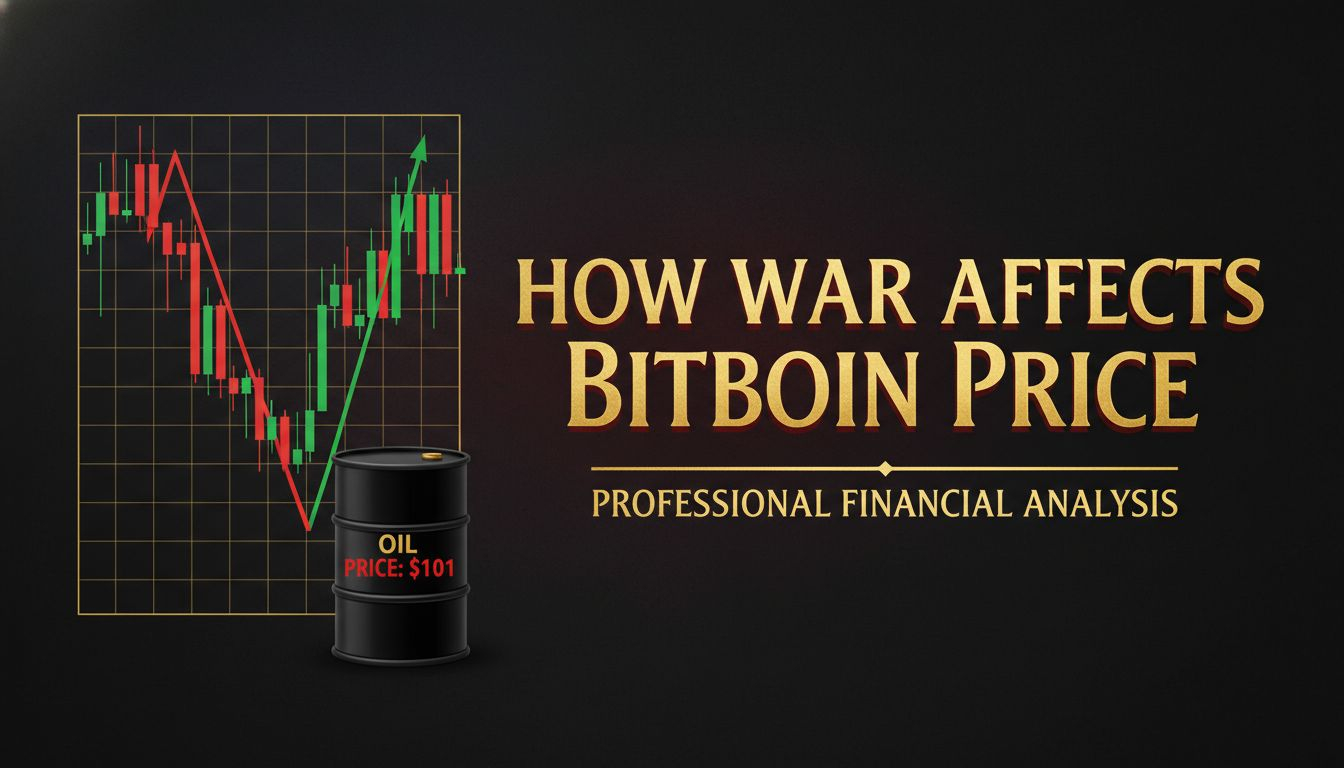
Биткойн упал с $75,000 до ниже $71,000 за считанные часы после объявления о блокаде США в Ормузском проливе. Эфириум упал более чем на 3% за одну сессию. Общая капитализация крипторынка сократилась более чем на $100 миллиардов за несколько дней. Индекс страха и жадности рухнул до 8 — это самое низкое значение с коллапса Terra-Luna в 2022 году.
Когда возникли надежды на мир:
Когда Трамп объявил о временном перемирии в середине апреля, Биткойн вырос на 5% за 24 часа, вернувшись к $75,000. Эфириум подскочил на 7% — обойдя Биткойн впервые за несколько недель. Общая капитализация крипторынка восстановилась выше $2.6 триллиона. Институциональные inflows ETF резко возросли — IBIT от BlackRock только за один день привлек $284 миллиона.
Этот шаблон говорит нам одну важную вещь: крипторынок теперь сильно связан с глобальными геополитическими событиями. Эра торговли криптовалютой в изоляции закончилась.
3 ключевые причины, почему крипта чувствительна к этой войне:
1. Цены на нефть приводят к инфляции
Когда цена на нефть превышает $100 за баррель, инфляция растет. Высокая инфляция заставляет Федеральную резервную систему удерживать процентные ставки на высоком уровне. Высокие процентные ставки делают рискованные активы, такие как крипта, менее привлекательными для институциональных инвесторов, снижая спрос и оказывая давление на цены.
2. Корреляция рискованных активов
Биткойн сейчас показывает 84% корреляцию с S&P 500. Когда традиционные рынки паникуют из-за опасений войны, крипта следует за ними. Институциональные инвесторы, которые держат как акции, так и Биткойн, склонны одновременно снижать риски по всем активам во время геополитических кризисов.
3. Сила доллара
Война обычно укрепляет доллар США, так как глобальные инвесторы ищут безопасность. Более сильный доллар делает Биткойн — который оценивается в USD — более дорогим для международных покупателей, снижая глобальный спрос и оказывая давление на цены.
🟢 Обнадеживающий момент — почему война может быть бычьей для крипты в долгосрочной перспективе
Несмотря на краткосрочные боли, есть мощные причины, почему этот конфликт может реально ускорить принятие крипты в долгосрочной перспективе:
Биткойн как хедж:
Когда война нарушает традиционные финансовые системы и вызывает страхи о девальвации доллара из-за массовых военных расходов, все больше инвесторов обращаются к Биткойну как к средству сохранения стоимости — аналогично золоту. Рост Биткойна на 13.89% с начала года, несмотря на войну, демонстрируетRemarkable resilience.
Спрос на уклонение от санкций:
Страны и лица, сталкивающиеся с санкциями, все чаще обращаются к крипте для трансакций между странами. Это создает подлинный органический спрос, независимый от рыночной спекуляции.
Институциональная убежденность остается сильной:
Несмотря на войну, Strategy (ранее MicroStrategy) только что купила 34,164 $BTC за $2.54 миллиарда — это крупнейшая покупка за более чем год. Это сигнализирует о том, что самые умные институциональные деньги рассматривают текущие цены как долгосрочную возможность для покупки, а не повод для продажи.
Недоверие к традиционным банковским системам:
Геополитическая нестабильность исторически заставляет людей обращаться к децентрализованным альтернативам. Каждый раз, когда правительство замораживает активы или вводит контроль за капиталом, принятие криптовалюты в этом регионе растет.
Что будет дальше — 3 сценария
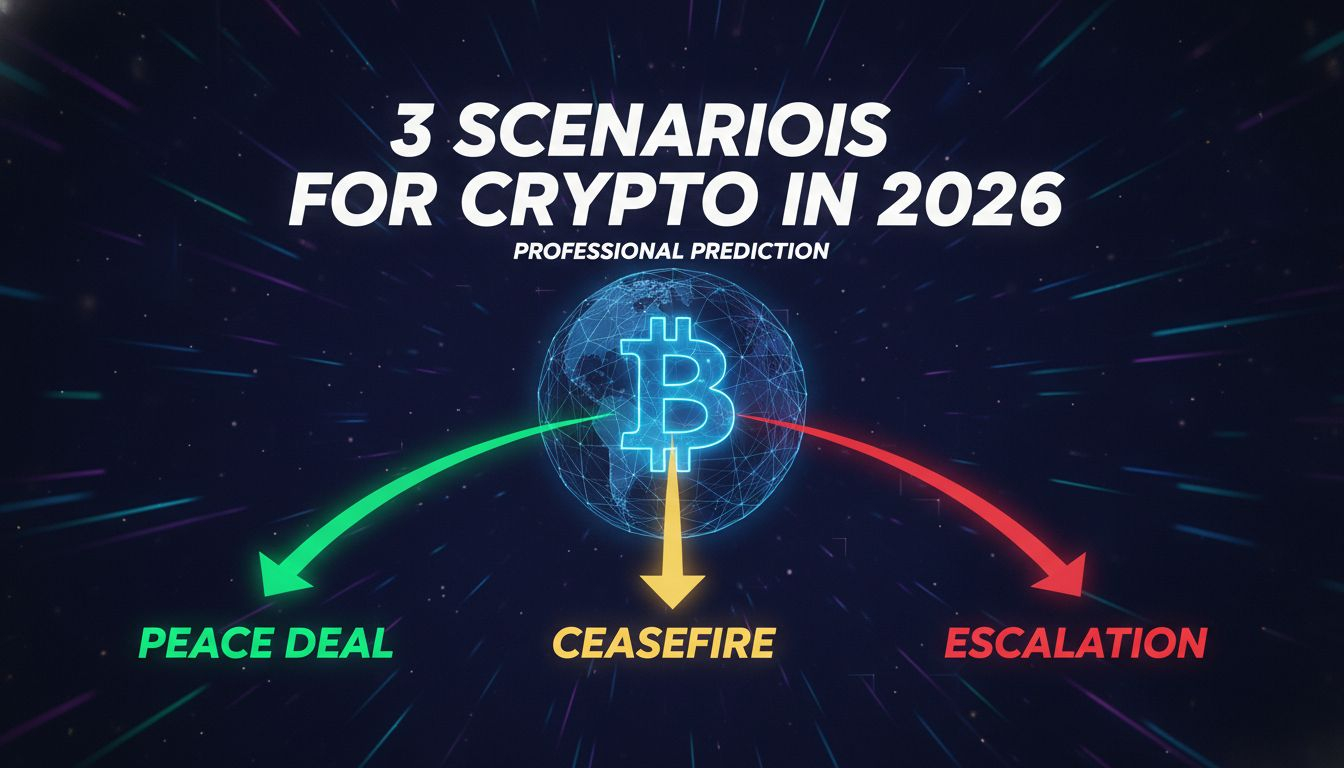
Сценарий 1 — Достигнуто мирное соглашение ✅
Если мирные переговоры в Пакистане увенчаются успехом и будет подписано всеобъемлющее соглашение:
Цены на нефть снова падают ниже $80
Страх инфляции ослабевает
ФРС сигнализирует о возможных снижениях ставок
Биткойн может взлететь к $85,000-$95,000
Сезон альткоинов может наконец начаться
Общая капитализация крипторынка может вернуть себе $3 триллиона
Сценарий 2 — Перемирие сохраняется, но полного соглашения нет ⚠️
Если перемирие продолжается, но постоянное соглашение не достигнуто:
Нефть остается на уровне около $90-$100
Крипта торгуется в диапазоне между $70,000-$80,000
Фаза медленного накопления продолжается
Институциональные покупки поддерживают цены
Сценарий 3 — Эскалация возобновляется 🔴
Если перемирие рушится и полная война возобновляется:
Нефть может взлететь до $120-$130
Биткойн может упасть до зоны поддержки $65,000-$68,000
Экстремальный страх возвращается на рынки
Краткосрочные боли, но потенциальная долгосрочная возможность для покупки
Что должны делать криптоинвесторы прямо сейчас?
1. Следите за мирными переговорами
Переговоры в Пакистане являются самым важным катализатором для крипторынков прямо сейчас. Любой положительный сигнал из Тегерана = ожидайте резкого ралли.
2. Следите за ценами на нефть
Нефть ниже $90 = бычий сигнал для крипты. Нефть выше $110 = медвежий. Установите ценовые оповещения и корректируйте свою стратегию соответственно.
3. Следите за заседанием FOMC 29 апреля
Следующее решение Федеральной резервной системы о процентной ставке 29 апреля является важным катализатором. Если ФРС сигнализирует о возможном снижении ставок, ожидайте значительного ралли криптовалют независимо от ситуации с войной.
4. Средняя цена доллара (DCA)
Во время геополитической неопределенности DCA — покупка фиксированных сумм на регулярной основе — это самая безопасная стратегия. Не пытайтесь поймать точное дно. Накопляйте постепенно и держите.
5. Сфокусируйтесь на качественных активах
Во время кризисов капитал концентрируется в самых сильных активах. Биткойн, Эфириум, Солана и XRP исторически показывали лучшие результаты по сравнению с более мелкими альткоинами в периоды рыночного стресса.



Окончательный вердикт:
Война между США и Ираном ввела беспрецедентную неопределенность в глобальные финансовые рынки — и крипта не является исключением. В краткосрочной перспективе каждое эскалация приносит волатильность и страх. Но долгосрочные основы для Биткойна и качественных альткоинов остаются сильнее, чем когда-либо.
Институциональное принятие ускоряется. Регуляторная ясность улучшается. И история показывает, что крупные геополитические кризисы — хотя и болезненные в краткосрочной перспективе — часто создают лучшие долгосрочные возможности для покупки на крипторынках.
Оставайтесь в курсе. Будьте терпеливы. Умно накапливайте.
Автор: Хамраз Кабир | Аналитик Binance Square Crypto
Не финансовый совет. Всегда проводите собственное исследование. DYOR 📊