
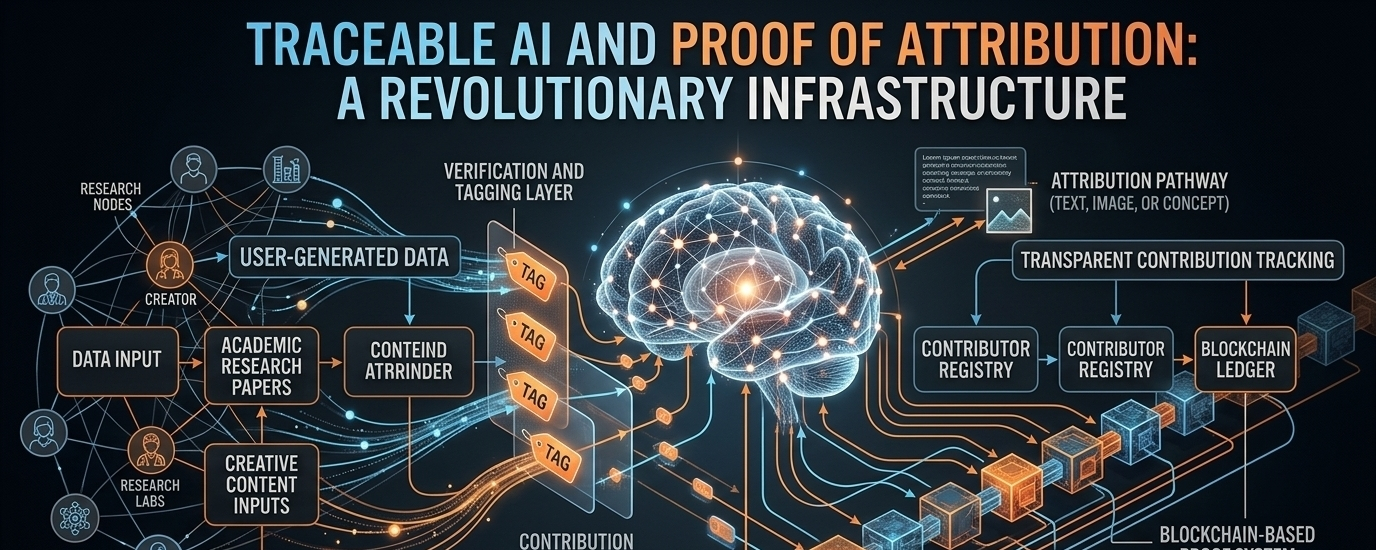

In the last few days I've had a bit of a treasure hunt with various AI tools, primarily to help brainstorm concepts and gain some quick insights on a wide range of subjects. It was very distracting me the ease of being able to question these models, while everything is very opaque. You toss in your questions or data, receive refined responses, and voila — no actual feeling when which a person knows what they did to create it, no sense of just who has received in return. It soon felt a bit unfair that we help train these systems for free whilst they all have a concentration of rewards.
It was these reasons that spurred me to investigate @OpenLedger further. It's not the latest hot AI trend story. Rather, it's as if they are going to construct a more well-rounded foundation below.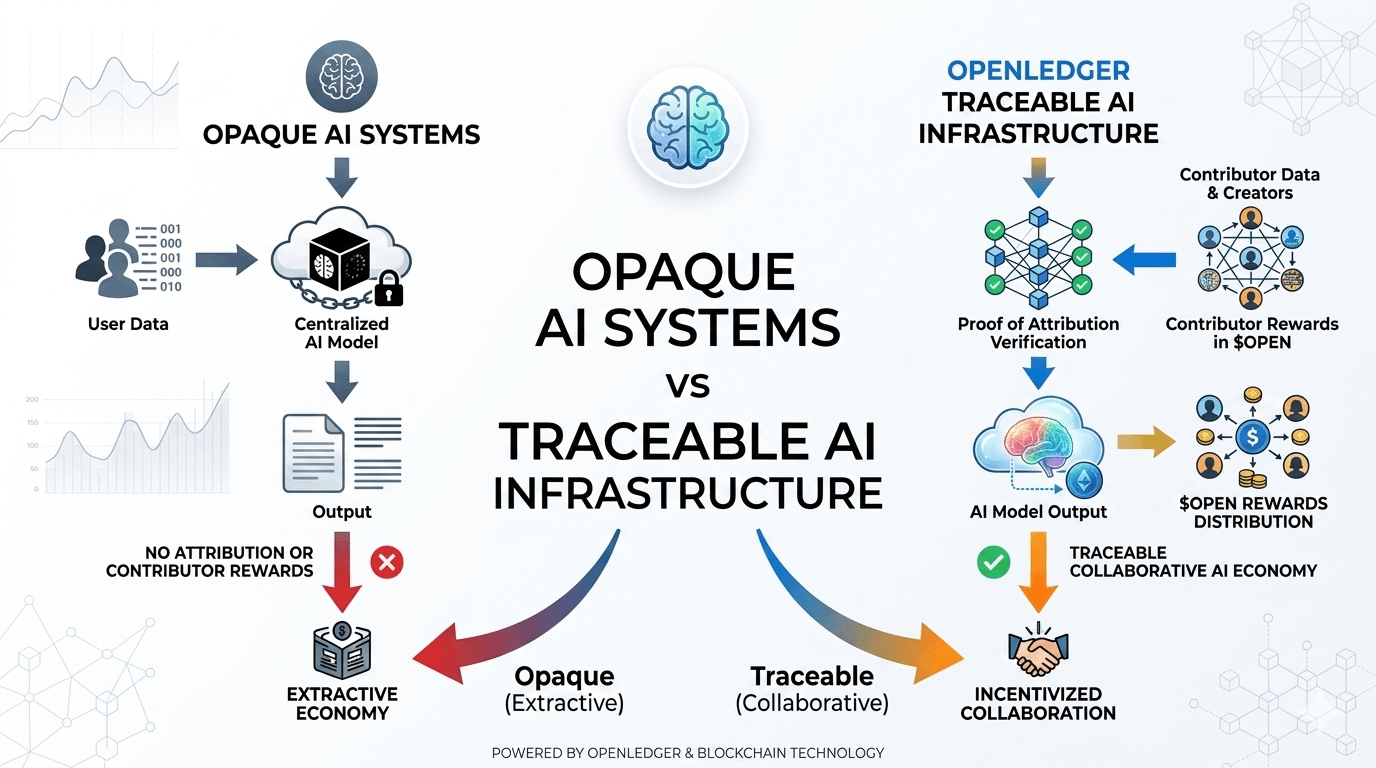
The one aspect of their service that first caught my eye was their Proof of Attribution (PoA). It's a system designed to measure the value of various data contributions to an individual model output and provide equitable returns to datacontributers via $OPEN on-chain. There is no lose in the contribution, there is a verifiable process. It converts the day-to-day input that we all feed into into a sort of traceable value(es) that could be beneficial.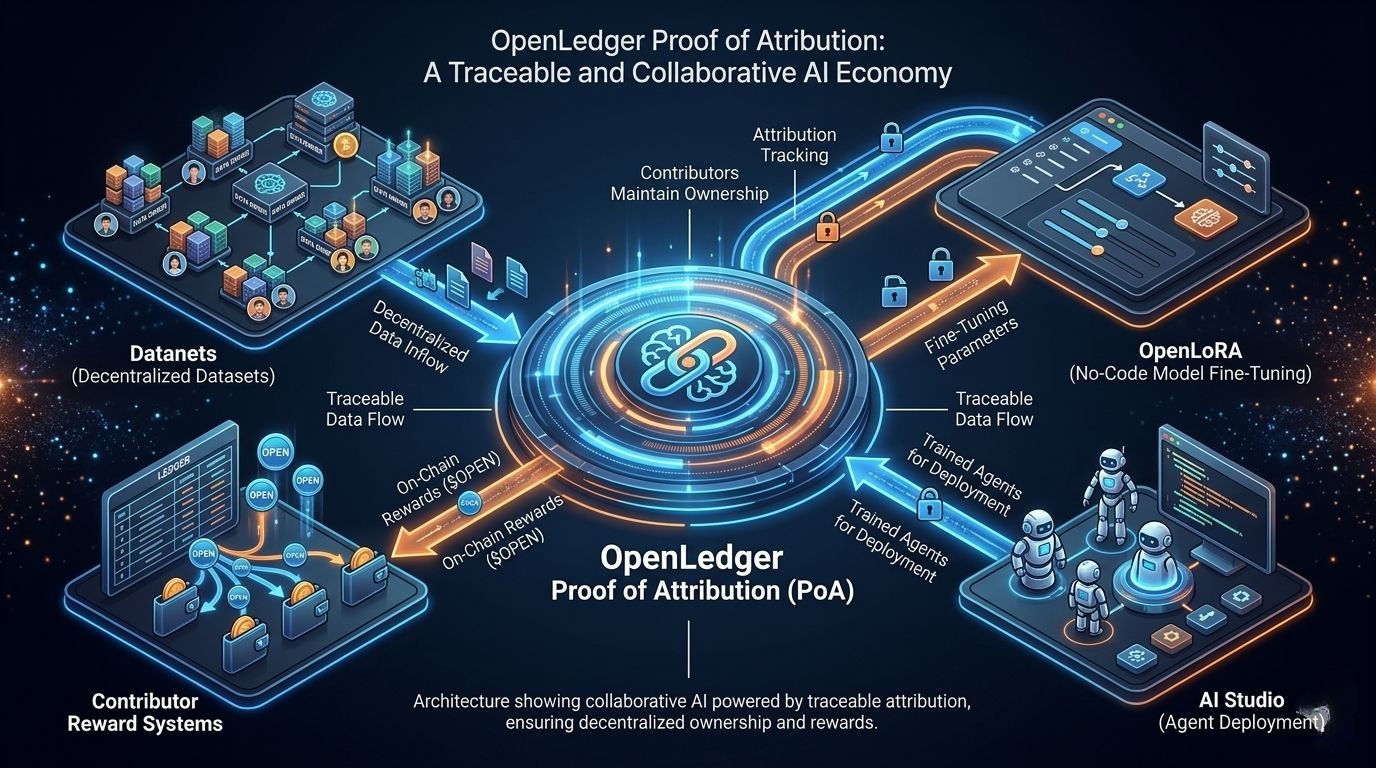
They are equally community-centric with their data approach, Datanets, which is a perfect match with this. Instead of depending on big centralized data banks, groups can work together to gather, clean and curate domain-specific data and information that meets specific needs—such as domain expertise, niche industry knowledge and even industry-specific examples of perspectives that often aren't represented by generic statistical models. The contributors hold the copyright, and are credited by attributing the work.2e9101
On the building side, the Model Factory makes things easier to access with OpenLoRA no code fine-tuning. These community datasets can be used to develop and publish custom models, without requiring significant technical infrastructure or constant costly resources. Then AI Studio continues with this, allowing developers to build, deploy, and monetize AI agents more easily.
I also like the fact that the total supply is capped at 1 billion with only around 21.55% of it on the market at launch. It feels like it is meant to be used to grow not stimulated by an anticipated oversupply.
Resting on all this, OpenLedger doesn't see itself promising instant magic. It appears more geared towards developing infrastructure, wherein AI can become collaborative over time, rewarding the people behind the intelligence. I'm still getting the big picture down, but I am fascinated with the possibilities of decentralized AI in the future.
What’s your perspective? Will rationalization of AI around concepts like Proof of Attribution fix the unfairness of the industry in the future, or will it be controlled by the few?

