
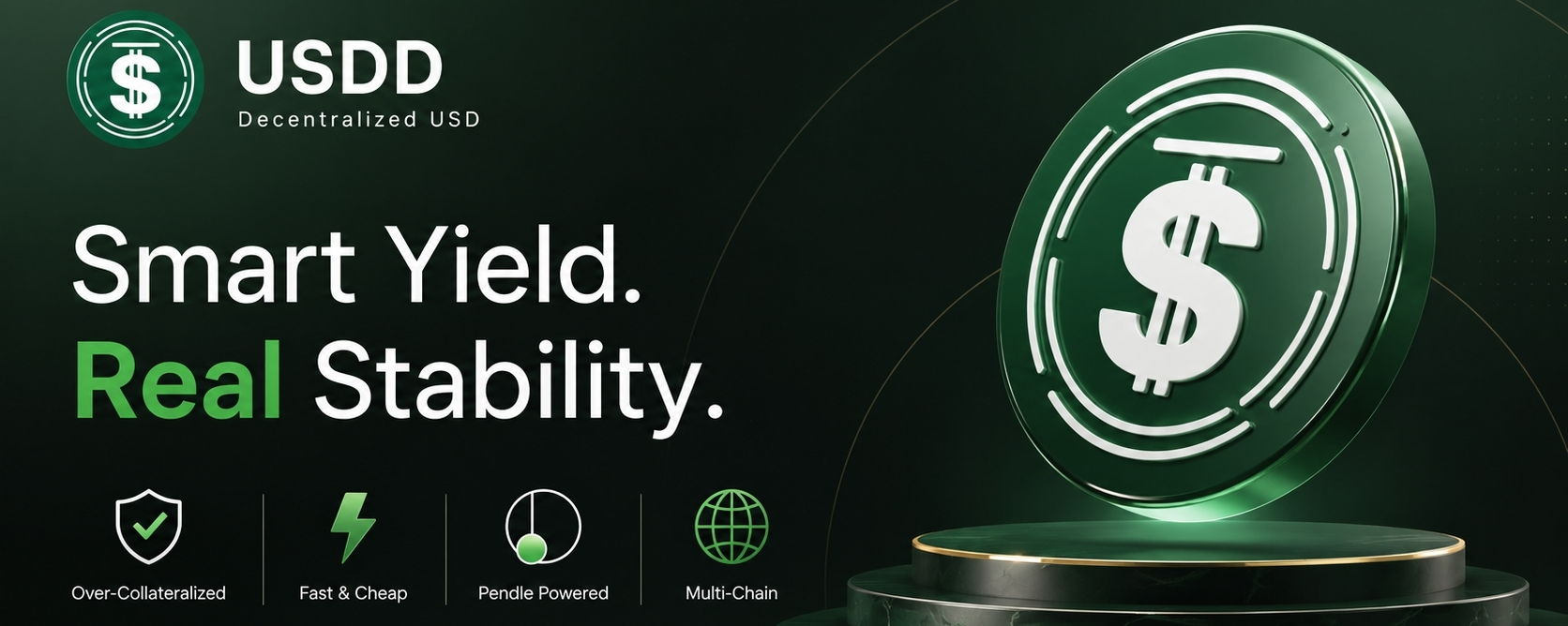
The stablecoin market has become one of the most competitive sectors in decentralized finance. While most investors focus on preserving capital, a growing number of yield farmers are looking for something more: stable assets that generate meaningful returns without sacrificing flexibility, transparency, or security.
For years, USDT and USDC have dominated the stablecoin landscape. However, many users have become frustrated with increasingly limited yield opportunities, restrictive lockups, deposit caps, and shrinking returns.
This shift in market sentiment has brought renewed attention to @USDD - Decentralized USD , the decentralized stablecoin developed within the @TRON DAO ecosystem. In 2026, USDD is emerging as a compelling option for users seeking sustainable yield generation while maintaining exposure to a stable asset.
𝙃𝙚𝙧𝙚 𝙖𝙧𝙚 𝙛𝙞𝙫𝙚 𝙧𝙚𝙖𝙨𝙤𝙣𝙨 𝙬𝙝𝙮 𝙢𝙤𝙧𝙚 𝙮𝙞𝙚𝙡𝙙-𝙛𝙤𝙘𝙪𝙨𝙚𝙙 𝙞𝙣𝙫𝙚𝙨𝙩𝙤𝙧𝙨 𝙖𝙧𝙚 𝙖𝙡𝙡𝙤𝙘𝙖𝙩𝙞𝙣𝙜 𝙘𝙖𝙥𝙞𝙩𝙖𝙡 𝙩𝙤 𝙐𝙎𝘿𝘿;
1. 𝗦𝘂𝘀𝘁𝗮𝗶𝗻𝗮𝗯𝗹𝗲 𝗬𝗶𝗲𝗹𝗱 𝗚𝗲𝗻𝗲𝗿𝗮𝘁𝗶𝗼𝗻 𝗪𝗶𝘁𝗵𝗼𝘂𝘁 𝗥𝗲𝘀𝘁𝗿𝗶𝗰𝘁𝗶𝘃𝗲 𝗖𝗼𝗻𝗱𝗶𝘁𝗶𝗼𝗻𝘀:
One of the biggest challenges in modern DeFi is finding attractive yields that do not require complicated strategies or lengthy lockup periods.
USDD addresses this challenge through a yield-bearing framework that allows holders to earn passive returns while maintaining flexibility over their assets. Through staking mechanisms such as sUSDD, users can generate yield without surrendering control of their capital.
Unlike many competing products that impose deposit limits, lengthy vesting schedules, or withdrawal restrictions, USDD offers a more accessible approach. Investors can enter and exit positions as market conditions change, creating a balance between yield generation and liquidity.
For many users, this flexibility represents a significant advantage in an industry where opportunities can change rapidly.
2. 𝗧𝗿𝗮𝗻𝘀𝗽𝗮𝗿𝗲𝗻𝗰𝘆 𝗧𝗵𝗿𝗼𝘂𝗴𝗵 𝗢𝘃𝗲𝗿-𝗖𝗼𝗹𝗹𝗮𝘁𝗲𝗿𝗮𝗹𝗶𝘇𝗲𝗱 𝗗𝗲𝘀𝗶𝗴𝗻:
Trust remains one of the most important factors in the stablecoin sector.
USDD distinguishes itself through an over-collateralized model backed by a diverse reserve of crypto assets including TRX, Bitcoin, and other reserve holdings. The protocol maintains collateral levels that exceed the value of circulating USDD, creating an additional layer of security for users.
Unlike opaque financial systems where reserves can be difficult to verify, USDD's collateral structure is visible on-chain. Users can independently review reserve data and monitor the health of the system in real time.
This level of transparency has become increasingly important as investors demand greater accountability from stablecoin issuers. The ability to verify collateral rather than simply trust claims provides confidence during both bullish and bearish market conditions.
3. 𝗧𝗵𝗲 𝗔𝗱𝘃𝗮𝗻𝘁𝗮𝗴𝗲 𝗼𝗳 𝗧𝗥𝗢𝗡'𝘀 𝗛𝗶𝗴𝗵-𝗦𝗽𝗲𝗲𝗱, 𝗟𝗼𝘄-𝗖𝗼𝘀𝘁 𝗜𝗻𝗳𝗿𝗮𝘀𝘁𝗿𝘂𝗰𝘁𝘂𝗿𝗲:
Yield farming profitability is often impacted by transaction costs.
On networks with expensive gas fees, frequent portfolio adjustments can significantly reduce overall returns. Rebalancing positions, claiming rewards, or moving assets between protocols may become prohibitively expensive for smaller investors.
USDD benefits from operating within the TRON ecosystem, where transaction fees remain extremely low and settlement speeds are measured in seconds.
This infrastructure enables users to move capital efficiently, participate in DeFi opportunities, and compound rewards without sacrificing a substantial portion of profits to network fees.
For active yield farmers, lower costs translate directly into improved capital efficiency and stronger long-term performance.
4. 𝗟𝗲𝘃𝗲𝗿𝗮𝗴𝗶𝗻𝗴 𝗣𝗲𝗻𝗱𝗹𝗲 𝗳𝗼𝗿 𝗔𝗱𝘃𝗮𝗻𝗰𝗲𝗱 𝗬𝗶𝗲𝗹𝗱 𝗦𝘁𝗿𝗮𝘁𝗲𝗴𝗶𝗲𝘀:
One of the most innovative developments surrounding USDD is its integration with Pendle Finance.
Pendle introduces a unique mechanism that separates yield from principal, allowing users to customize risk and return profiles according to their market outlook.
Through Pendle, holders of yield-bearing USDD positions can:
➝ Secure fixed returns by purchasing Principal Tokens (PT).
➝ Gain leveraged exposure to future yields through Yield Tokens (YT).
➝ Provide liquidity to earn additional trading fees and incentive reward.
➝ Optimize portfolio strategies based on changing interest rate environments.
This creates multiple layers of earning potential beyond the base yield generated by USDD itself.
Rather than simply holding a stablecoin, investors can actively manage yield exposure and pursue strategies that were previously unavailable in traditional finance.
As DeFi continues to evolve, this type of capital efficiency is becoming an increasingly valuable advantage.
5. 𝗘𝘅𝗽𝗮𝗻𝗱𝗶𝗻𝗴 𝗨𝘁𝗶𝗹𝗶𝘁𝘆 𝗔𝗰𝗿𝗼𝘀𝘀 𝗠𝘂𝗹𝘁𝗶𝗽𝗹𝗲 𝗕𝗹𝗼𝗰𝗸𝗰𝗵𝗮𝗶𝗻 𝗘𝗰𝗼𝘀𝘆𝘀𝘁𝗲𝗺𝘀:
The future of stablecoins depends on interoperability.
USDD has expanded beyond a single-chain model and now operates across major blockchain ecosystems including TRON, Ethereum, and BNB Chain. This multi-chain presence provides users with greater flexibility when accessing liquidity, participating in DeFi protocols, or transferring value between networks.
Cross-chain accessibility also opens the door to a growing range of incentive programs and ecosystem partnerships.
Through integrations with exchanges, wallets, lending protocols, and DeFi applications, users can unlock additional rewards while maintaining exposure to USDD's native yield opportunities.
This combination of utility, accessibility, and ecosystem support strengthens USDD's position within the broader digital asset landscape.
𝗕𝗲𝘆𝗼𝗻𝗱 𝘁𝗵𝗲 𝗬𝗶𝗲𝗹𝗱:
The stablecoin market is no longer defined solely by price stability.
Investors increasingly expect their capital to remain productive, generating returns while preserving liquidity and minimizing risk. This shift is driving demand toward assets that combine transparency, yield generation, and operational efficiency.
USDD sits at the intersection of these trends.
Its over-collateralized structure, sustainable yield opportunities, integration with advanced DeFi protocols, low-cost infrastructure, and expanding multi-chain presence make it an increasingly attractive option for modern yield farmers.
As decentralized finance continues to mature, the most successful stablecoins will likely be those that offer more than simple price stability. They will need to deliver utility, accessibility, and meaningful opportunities for capital growth.
For many investors in 2026, USDD is demonstrating that a stablecoin can do exactly that.
The question is no longer whether stablecoins can generate yield.
The question is which stablecoins can generate yield while remaining secure, transparent, and flexible enough to meet the demands of the next generation of DeFi users.