
Plasma is a purpose‑built Layer‑1 blockchain designed to solve two major problems in today's crypto world: slow transactions and high fees for stablecoins like USDT. Instead of trying to be “everything for everyone,” Plasma focuses on enabling fast, ultra‑low‑cost global stablecoin payments and settlements, allowing users, developers, and businesses to move value at scale with real efficiency — not just speculation.
At its core, Plasma combines Bitcoin’s security with Ethereum’s smart‑contract ecosystem. This is possible because the network is EVM‑compatible (developers can deploy Solidity contracts easily) and anchored to Bitcoin’s blockchain for extra resistance against censorship or data alteration. 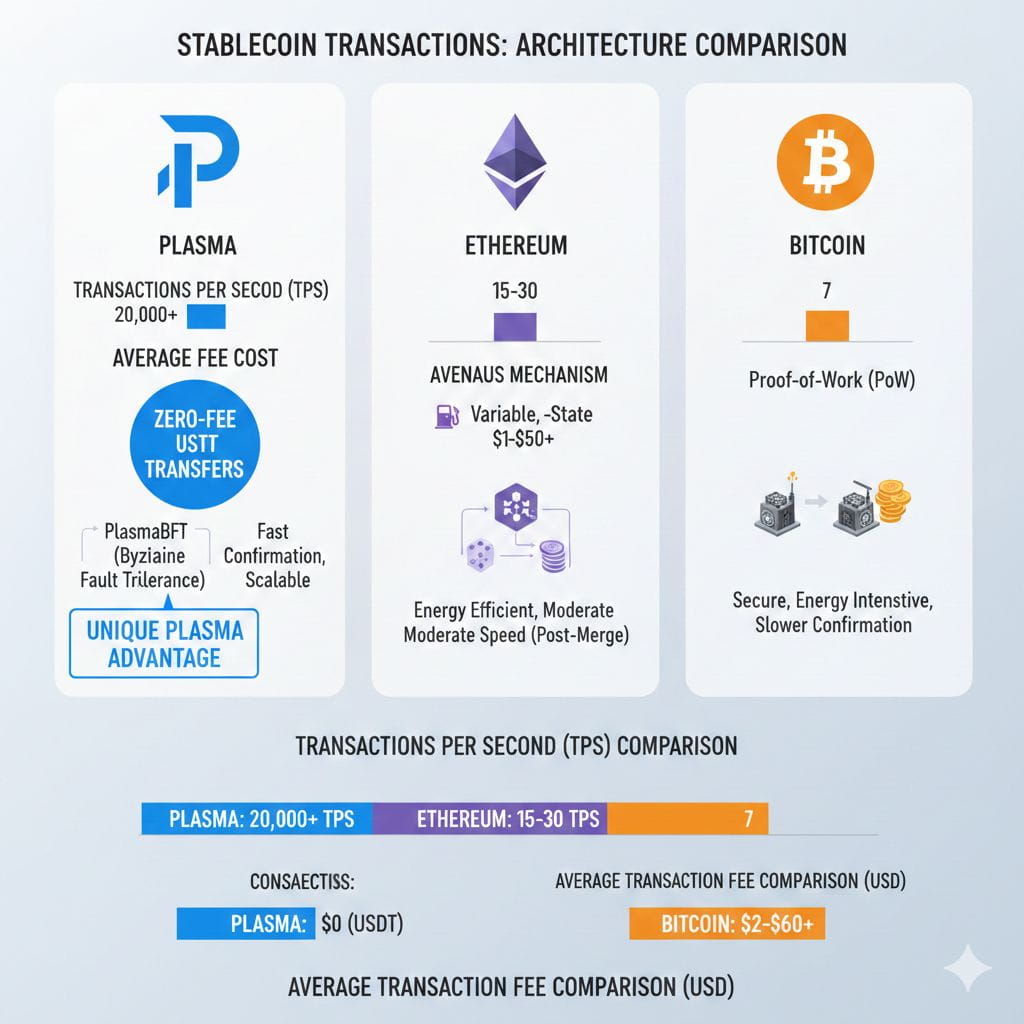
The strength of Plasma lies in its design:
PlasmaBFT Consensus: A variation of Byzantine Fault Tolerant protocols that finalises transactions quickly with sub‑second confirmation times — ideal for high‑frequency settlement use cases.
Zero‑Fee Stablecoin Transfers: Users can send USDT without paying gas because the protocol’s paymaster covers gas costs for basic transfers. This improves user adoption and reduces friction for everyday payments.
Custom Gas Tokens: Plasma allows developers to let users pay gas in stablecoins like USDT or even BTC, removing reliance on native token balances for basic transactions.
Bitcoin Bridge & Security: A trust‑minimised Bitcoin bridge lets users bring BTC into Plasma as pBTC for use in smart contracts or DeFi, combining Bitcoin’s safety with Plasma’s utility.
📈 XPL Tokenomics & Network Role
The $XPL token is central to Plasma’s ecosystem, powering transaction fees (for non‑free actions), staking, governance, and security. Plasma’s total supply is 10 billion XPL, and initial circulation was notably limited at launch to create scarcity and fuel network activity.
Here’s how XPL works within the network:
Security & Staking: Validators stake XPL to run the network, earning rewards and maintaining consensus. Soon, delegation will allow regular holders to participate and earn too.
Fee Mechanism: While standard USDT transfers can be gasless, all other transactions still use XPL — meaning the token retains utility and demand.
Inflation & Burns: Plasma starts with a 5% annual inflation rate that gradually decreases, balanced with burn mechanisms similar to EIP‑1559 to limit long‑term supply growth. 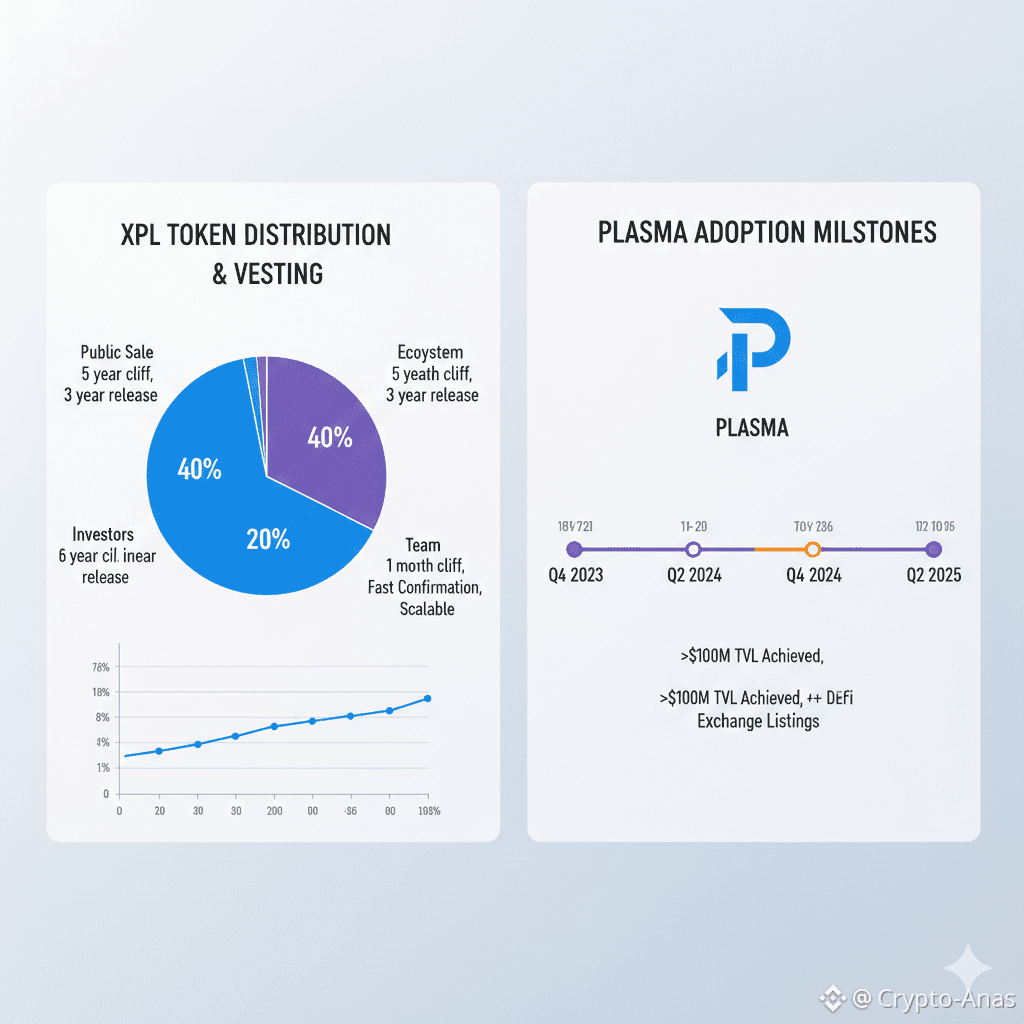
Plasma debuted with strong liquidity and integrations — at launch it attracted billions in stablecoins and immediate partnerships with major DeFi protocols and exchange listings. This reflects high early adoption and interest from developers. However, like all emerging networks, Plasma faces challenges in sustaining growth beyond initial enthusiasm. Continued activity, real‑world payment integrations, and broader ecosystem use — like neobanking products — will be key signals to watch.
📌 What Plasma Means for Users & the Future
Plasma’s focus on practical token utility sets it apart from projects that chase hype without use cases. With fast settlement, low‑cost stablecoin movement, and a bridge to Bitcoin, Plasma is carving out space as a global payment and settlement infrastructure layer. This aligns with a broader push in crypto to create systems that are useful for everyday transactions — not just trading. 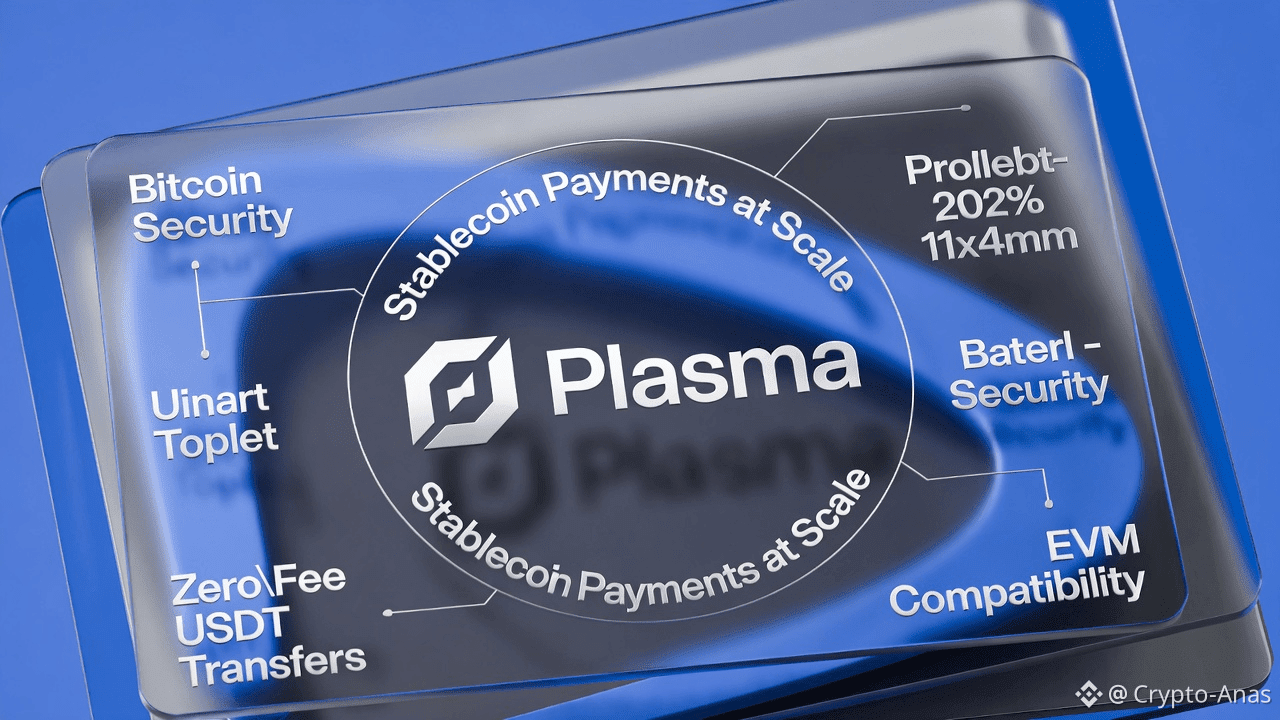
As adoption grows, XPL’s role as a utility that unlocks real blockchain use — from DeFi to retail payments — will determine its long‑term value.

