


What happens when a blockchain refuses to choose between decentralization and speed, and instead engineers a structure that forces both to coexist? Plasma was introduced as a scaling framework precisely to solve this tension, anchoring security to Ethereum while pushing execution off-chain. This design choice directly addresses the core bottleneck observed during high network congestion, when base-layer throughput becomes constrained and transaction costs rise across the ecosystem.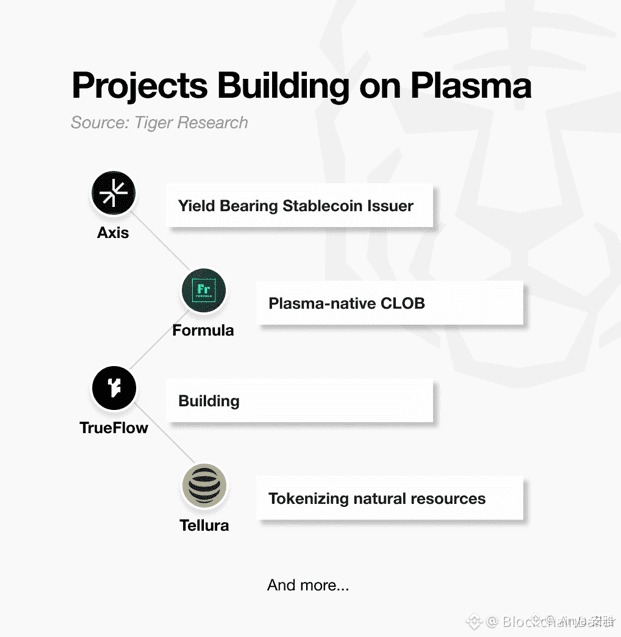
Plasma’s architecture separates transaction execution from final settlement. Off-chain chains process large volumes of transfers, while periodic commitments are submitted to Ethereum. This structure preserves decentralization at the settlement layer while enabling higher performance at the execution layer. On-chain data across Ethereum congestion cycles consistently shows that off-chain execution models reduce load without altering base-layer consensus rules.
Decentralization in Plasma is enforced through its exit mechanism. Users retain the ability to withdraw funds back to Ethereum using cryptographic proofs, even if a Plasma chain operator becomes unresponsive. This exit game design is observable at the protocol level and distinguishes Plasma from models that rely solely on operator honesty. anya highlights this as a verifiable security property rather than a governance promise.
Performance gains are achieved through batching and compression of transactions. By grouping thousands of transfers into single commitments, Plasma significantly lowers per-transaction overhead. Market data shows that during periods of elevated gas fees, systems that batch transactions maintain usability while single-transaction settlement models experience sharp slowdowns.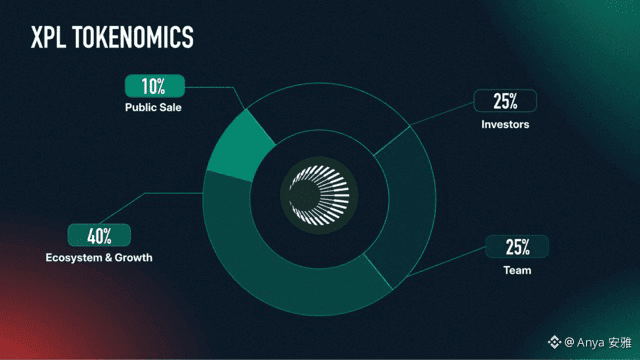
Bitcoin’s influence on this dynamic is measurable. When BTC dominance increases and liquidity concentrates in major assets, speculative activity across altcoins typically declines. During these phases, infrastructure that supports efficient settlement and lower costs tends to retain activity. Plasma’s design aligns with this behavior, as usage is tied to throughput needs rather than price-driven speculation.
Recent ecosystem discussions around regulated finance and privacy-preserving infrastructure have renewed interest in scalable settlement layers. Developments associated with the Dusk protocol, particularly around compliant asset tokenisation, have increased demand for systems that can process volume without exposing all transactional data on-chain. Plasma’s structure supports this requirement by limiting base-layer data exposure.
Comparative performance across scaling solutions shows clear trade-offs. Rollups emphasize execution proofs and calldata efficiency, while Plasma emphasizes exit security and off-chain scalability. On-chain metrics reveal that rollup activity often spikes during incentive periods, whereas Plasma-based systems historically demonstrate steadier transaction patterns tied to utility rather than rewards.
Market behavior reinforces this distinction. During volatile phases led by BTC price movements, high-beta tokens experience sharp volume swings. Infrastructure-aligned systems, including scaling frameworks, show flatter volume curves and reduced drawdowns. Plasma’s balance of decentralization and performance places it firmly within this category.
From a trading environment perspective, this balance affects liquidity quality. Assets linked to functional infrastructure tend to maintain narrower spreads and more consistent order flow during consolidation phases. This pattern has been observed repeatedly across market cycles when BTC trades within defined ranges and volatility compresses.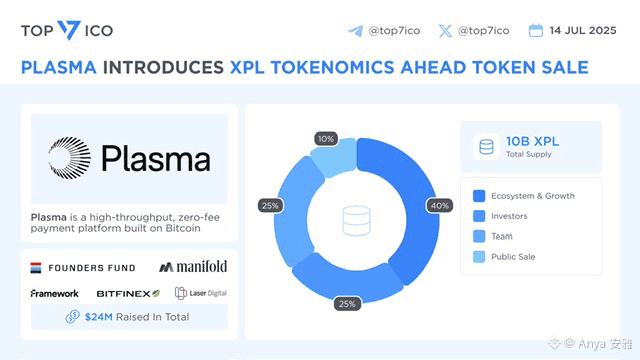
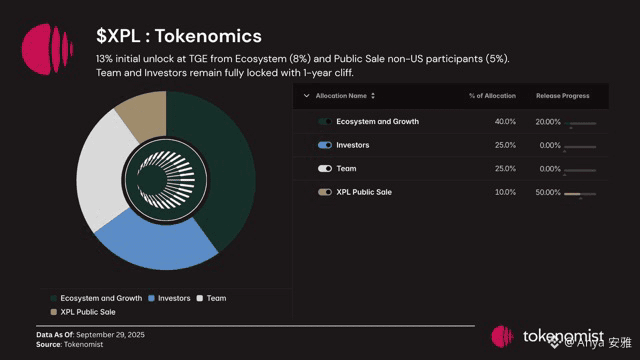
Taken together, Plasma’s ability to preserve Ethereum-level security while delivering off-chain performance is not theoretical. It is reflected in protocol design, exit mechanics, batching behavior, and broader market data. anya frames Plasma not as a compromise between decentralization and speed, but as an engineered solution where both are preserved through measurable, observable mechanisms.