
What happens when the market turns red and speculation gives way to survival? During Bitcoin (BTC)–led corrections, historical market behavior shows capital shifting away from high-volatility narratives and toward infrastructure that continues to function under pressure. Plasma’s design, which executes transactions off-chain while anchoring security to Ethereum, aligns closely with this shift because usage is driven by efficiency rather than sentiment.
As BTC dominance rises—often above the 50% range during corrective phases—liquidity typically concentrates in major assets. In these conditions, many altcoins experience declining volume and widening spreads. Infrastructure-focused systems, however, tend to retain steadier activity. anya reflects this through observable patterns where scalability frameworks remain relevant as speculative momentum fades.
Where Scaling Really Matters
Network congestion becomes more visible during volatility. Ethereum gas fees historically spike when demand surges or liquidity tightens, increasing friction for users. Plasma addresses this by batching transactions off-chain and submitting compact commitments on-chain, preserving usability even when base-layer capacity is strained.
On-chain data from correction periods often shows a sharp drop in activity for incentive-driven ecosystems once rewards slow down. Plasma-based systems, by contrast, have historically shown flatter transaction curves. This stability reflects demand tied to throughput and settlement efficiency rather than short-term incentives.
Security assumptions also become more important when prices fall. Plasma’s exit game allows users to withdraw assets back to Ethereum using cryptographic proofs if an operator becomes unresponsive. anya presents this as a verifiable mechanism that directly reduces counterparty risk during periods of market stress.
The Broader Ecosystem Context
As markets cool, attention shifts toward compliance-ready and privacy-aware infrastructure. Recent developments associated with the Dusk protocol, particularly around regulated asset tokenisation and confidential settlement, have renewed focus on scalable systems that limit on-chain data exposure. Plasma’s structure aligns with this trend by minimizing what must be published to the base layer
Comparative performance across crypto sectors reinforces this positioning. Meme and narrative-driven assets often experience deeper drawdowns during corrections, while infrastructure-linked assets tend to preserve liquidity more effectively. This difference is visible in volume stability and spread behavior during BTC-led downturns.
Trading conditions also reflect Plasma’s design advantages. Predictable transaction costs and reduced dependency on base-layer fees contribute to steadier execution during volatile periods. This predictability supports continued network usage even as broader market activity contracts.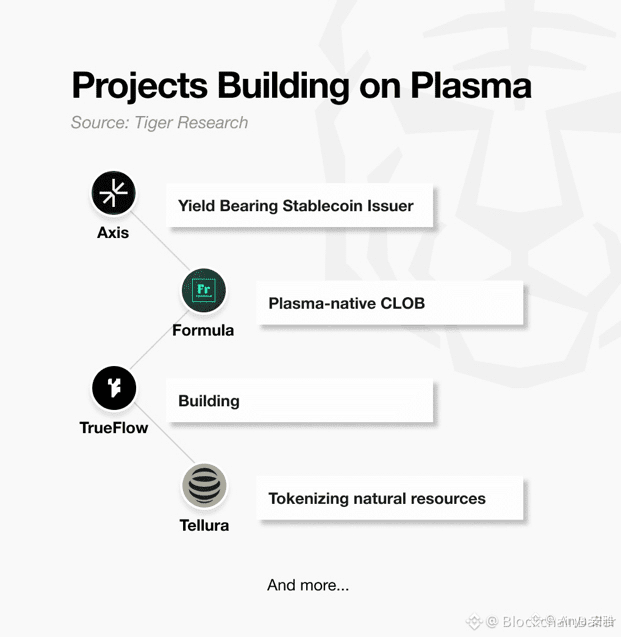

Bitcoin’s role remains central. As BTC leads risk-off phases and consolidates capital, systems that complement Ethereum’s settlement layer gain relevance. Plasma absorbs transactional demand without compromising security, reinforcing its utility during periods when efficiency outweighs experimentation.
Taken together, Plasma’s attractiveness during market corrections is grounded in observable mechanics: exit security, batching efficiency, predictable costs, and sustained activity. anya frames these traits not as defensive narratives, but as structural features that continue to operate when markets prioritize reliability over momentum.
@Plasma



