



Here is my research and analysis about project f
I’ve been dissecting the Pixels architecture lately, and it is far more multi-faceted than the community realizes 😂. While players enjoy a seamless agricultural sim, the "under-the-hood" reality is a sophisticated tapestry of traditional high-performance infrastructure stitched to a decentralized ledger.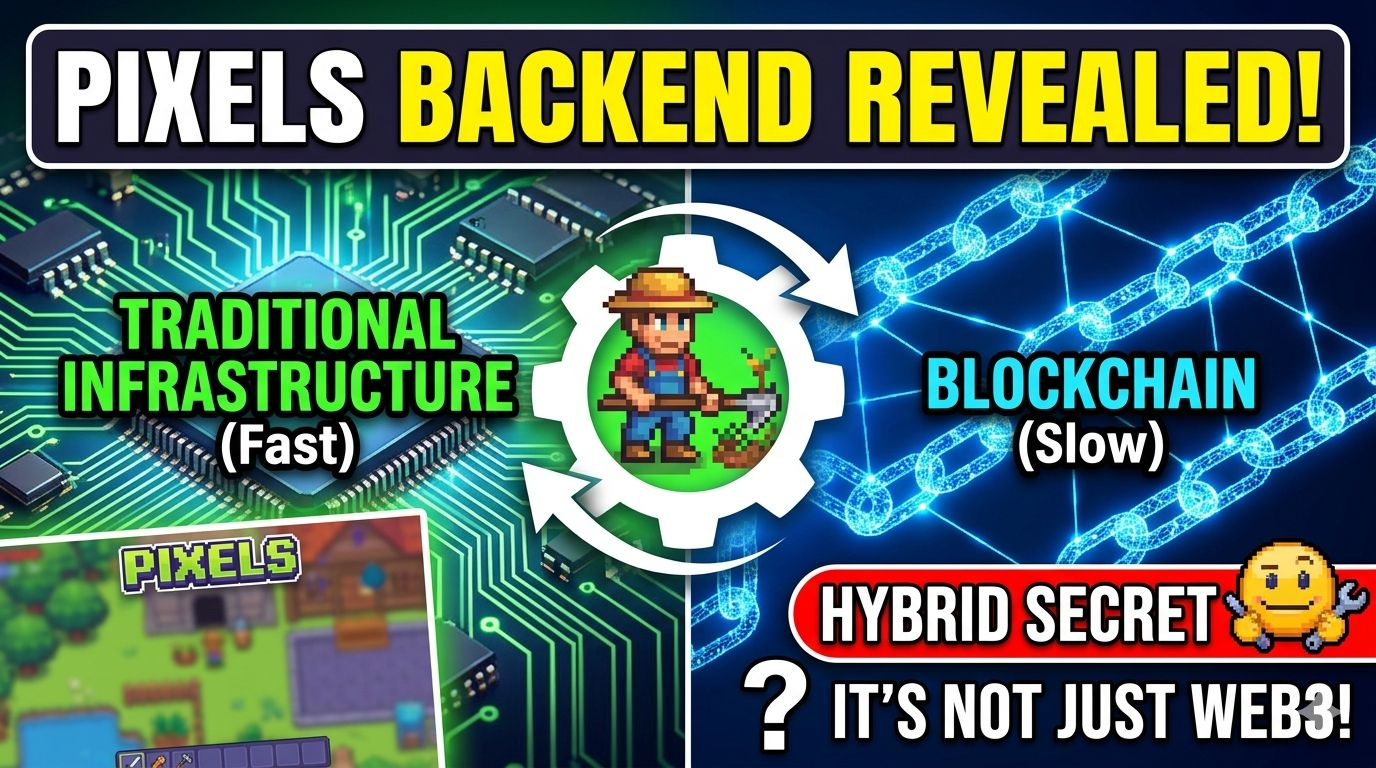
🏗️ The Hybrid Engine: Not Just "Web3"
Most people label it "just another Web3 game," but it’s actually a hybrid powerhouse. The core loop doesn't live on the blockchain; that would be a latency nightmare. Instead, it likely utilizes event-driven systems (think Node.js) paired with elastic cloud infrastructure. This allows the game to "breathe"—scaling up during massive player spikes and down during lulls without a total system meltdown.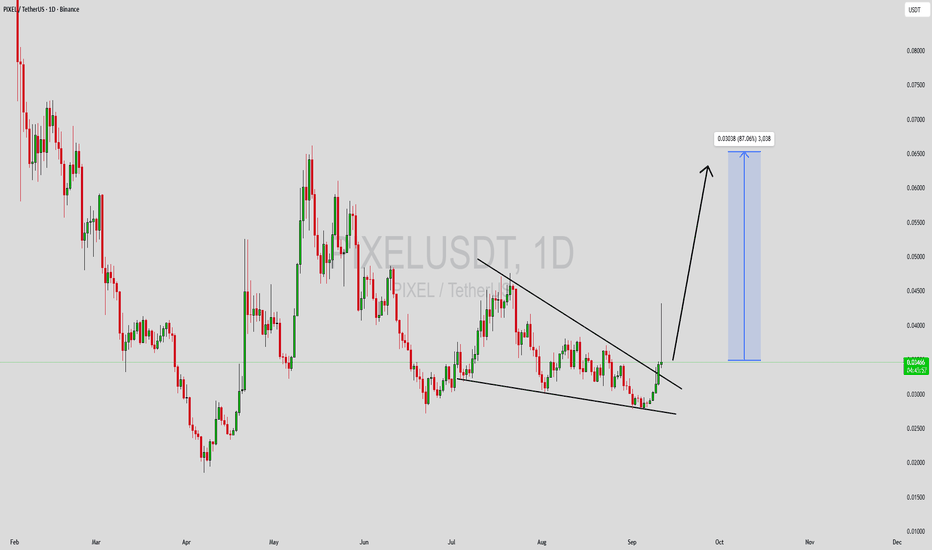
🗄️ The Data Dilemma: Speed vs. Sovereignty
Pixels doesn't put all its eggs in one database basket. To maintain that snappy feel, they have to balance three distinct layers:
*Relational Databases:** For structured "long-term" data like user profiles and quest history.
In-Memory Stores: For ephemeral, high-speed actions like player movement and real-time harvesting.
*The Blockchain:** Reserved strictly for provenance—owning your $BERRY, $PIXEL, or land.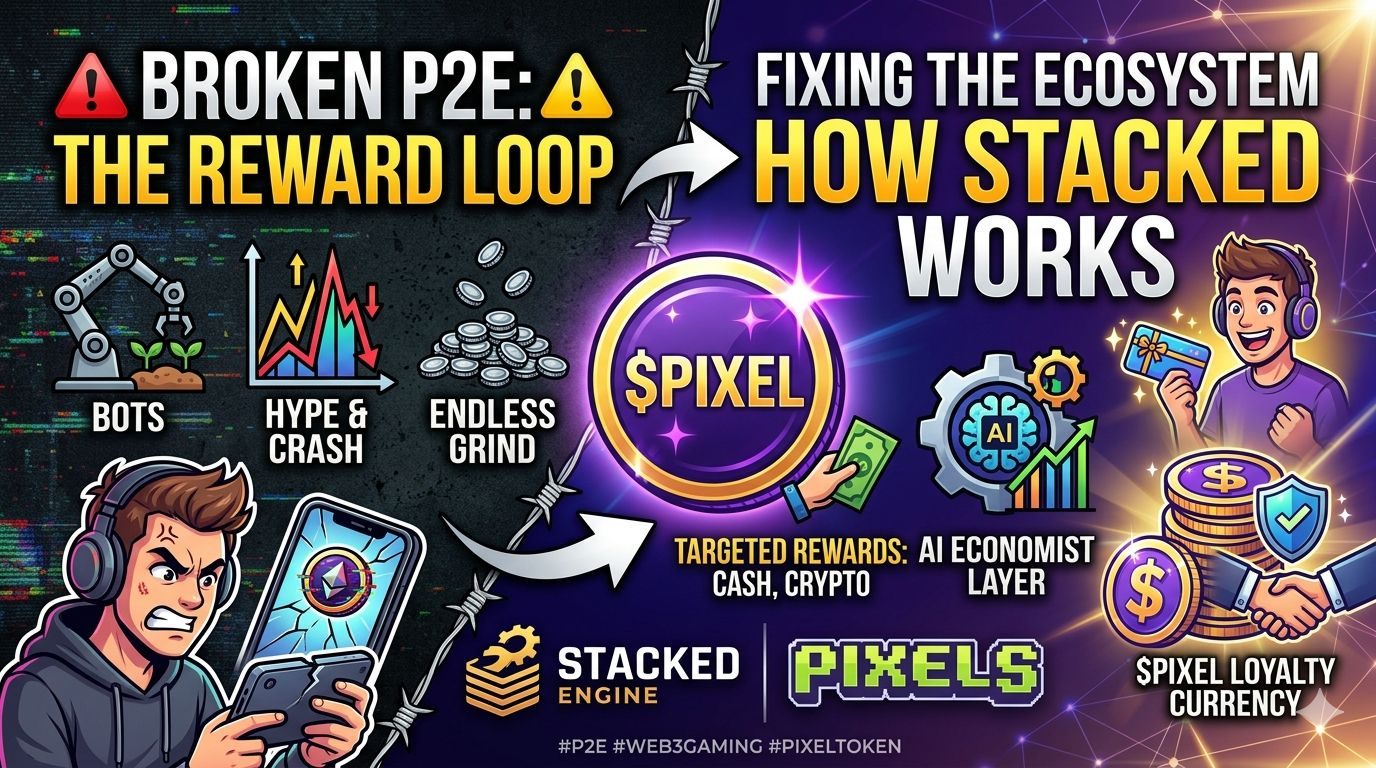
The genius here is the separation of concerns. By running gameplay off-chain, they dodge the "bottleneck" of block times, though it does create a dependency on APIs. If those bridges lag, the "on-chain" reality and "in-game" experience might briefly desync.
🛡️ The Invisible Shield: Security & Scalability
Scaling a live economy is a nightmare for developers. Pixels has to combat:
1. Sybil Attacks: Constant anti-bot validation to ensure real players get rewards.
2. Exploit Mitigation: Server-side checks for every single action to prevent "packet forging."
3. Redundancy: Heavy reliance on load balancers to keep the "lights on."
> The Trade-off: To make the game fun and fast, they’ve accepted a degree of centralization. It’s the "Blockchain Trilemma" in action—Pixels prioritizes scalability and usability to keep the game playable for the masses.
🧐 The Final Thought
Pixels is thriving because it doesn’t force a "pure" on-chain experience. It compromises where necessary to ensure the user experience doesn't suffer. It’s a masterclass in pragmatic engineering.
But the lingering question remains: As the player base swells and the on-chain logic becomes more intricate, can this hybrid model maintain its equilibrium, or will the friction between the two worlds eventually cause a fracture? 📉📈
What do you think? Is "hybrid" the only way for Web3 games to actually survive? 🛰️✨I try my best to provide true knowledge after my research and analysis i decided to share useful information i hope you like it.