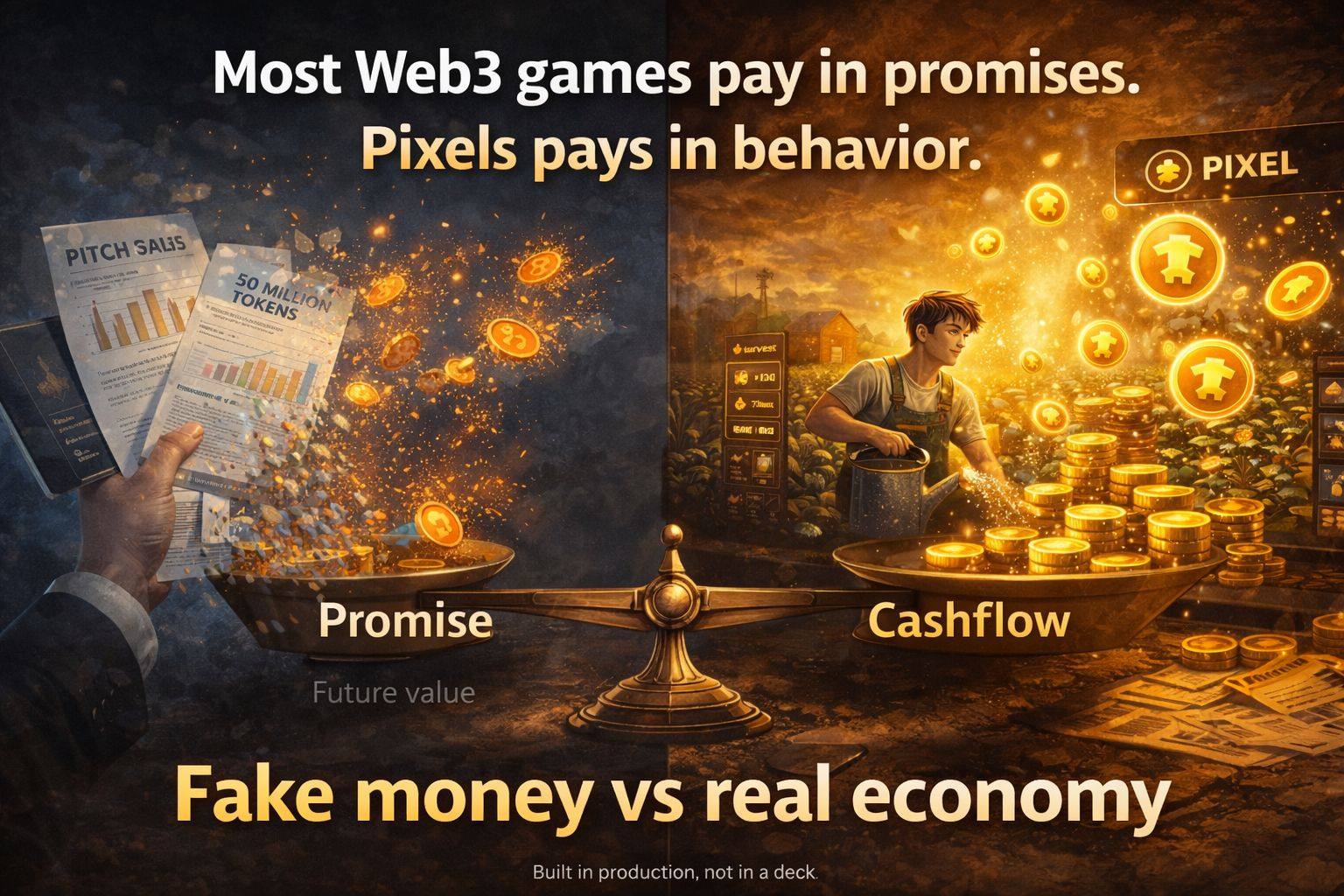
Let’s be honest.
Most Web3 games don’t fail because of gameplay.
They fail because their economy breaks.
Too many rewards → inflation
Too many farmers → dumping
Too many bots → fake growth
And eventually:
👉 the system collapses.
Now look at Pixels.
On the surface, it’s just a simple farming game:
plant
harvest
craft
repeat
Gameplay?
6.5–7/10 at best.
Chill. Playable.
Not addictive.
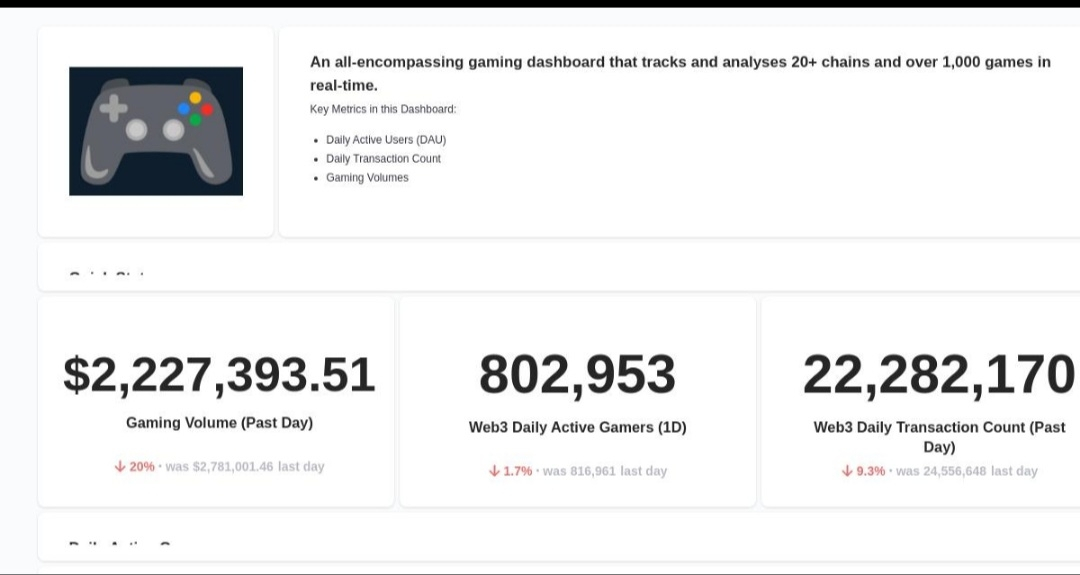
And yet:
👉 1M+ daily active players
👉 4.4M $PIXEL spent in 30 days
Not extracted.
Not farmed.
Spent inside the ecosystem.
That’s not normal in Web3 gaming.
🔥 This is where the difference starts:
"Built in production, not in a deck"
While most projects are still designing tokenomics in slides,
Pixels is already stress-testing theirs
👉 with real users
👉 real behavior
👉 real money
And they are not trying to make the “best game”.
They are trying to solve something harder:
👉 Who should actually get rewarded?
That’s where Stacked comes in.
Instead of paying everyone equally,
the system:
tracks behavior
segments users
filters bots & exploiters
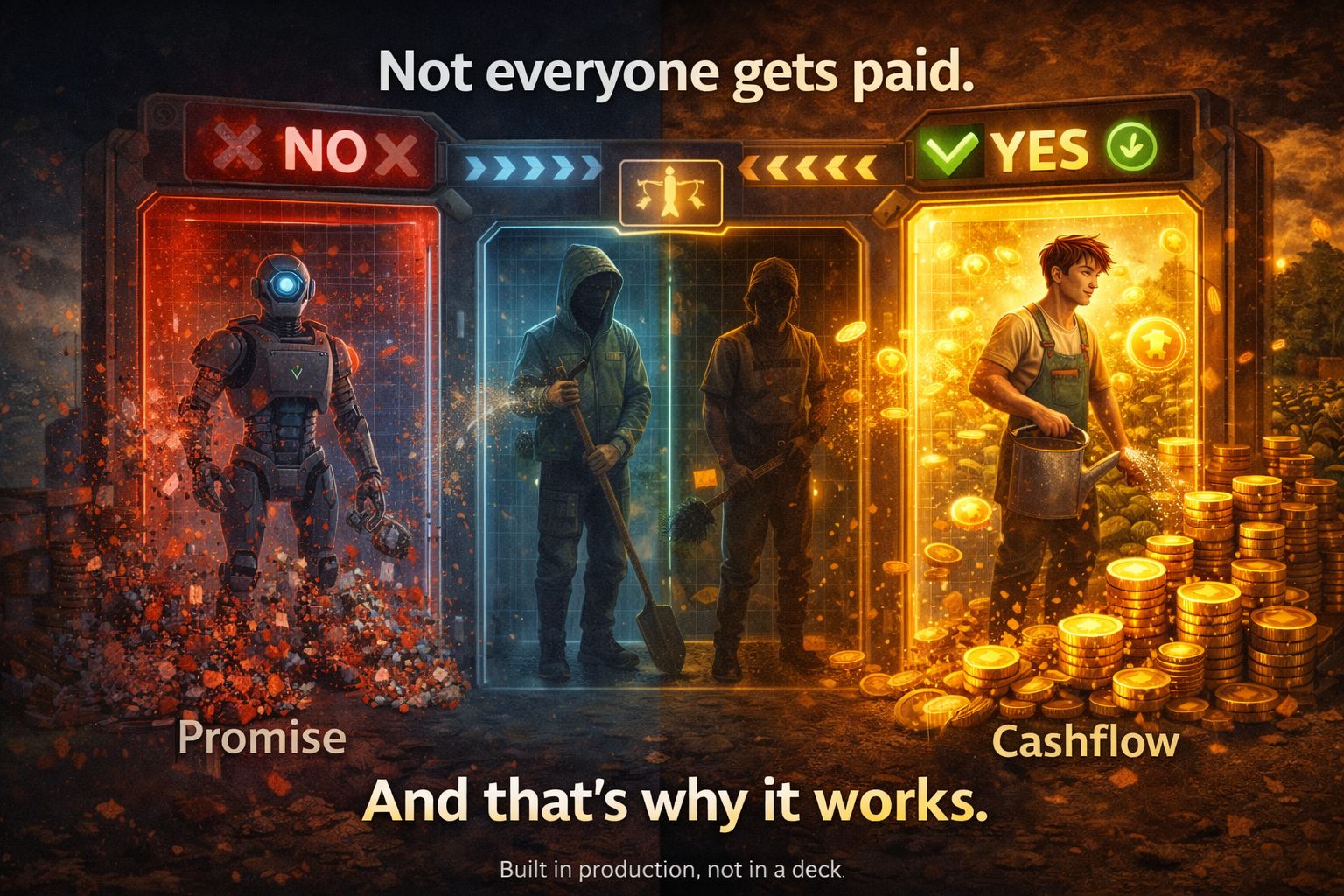
And then:
👉 rewards selectively.
This changes everything.
Because the biggest problem of GameFi isn’t gameplay.
It’s this:
👉 bot economy vs human economy
If you reward everyone → bots win
If you reward blindly → tokens die
If you don’t reward → users leave
Pixels is trying to balance all three.
And that’s why their approach matters.
They are not just building a game with active users.
👉 They are actively experimenting with a working Web3 economy.
A system where:
users stay
value circulates
rewards are controlled
Not perfect.
Not solved yet.
But real.
And in this space, that’s rare.