
 In the world of Web3 gaming, most tokens follow a similar story. They launch with hype, get tied to a single game, and eventually lose momentum when that game slows down. That’s why I’ve started paying closer attention to projects that are building something bigger than just one ecosystem — and $PIXEL is starting to look like one of them.
At first glance, $Pixel is the main token behind @Pixels , a popular Web3 farming and social game. But if you look deeper, it’s clear that the vision is expanding far beyond just one game.
With the introduction of the Stacked ecosystem, $PIXEL is slowly evolving into a cross-game rewards and utility token.
And this is where things get interesting.
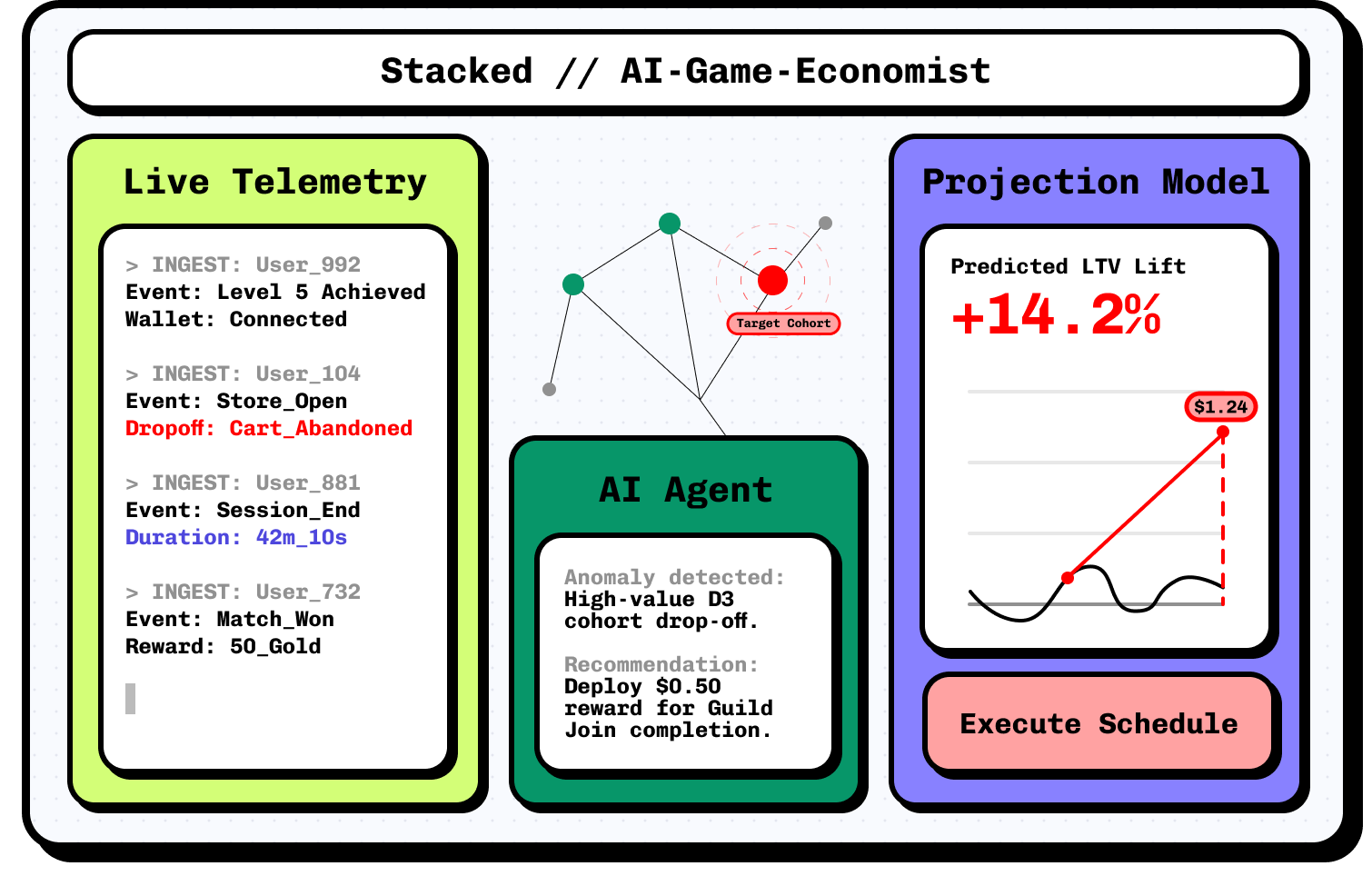
Instead of being limited to a single in-game economy, $PIXEL is being positioned as a reward currency that can work across multiple games. This is powered by Stacked, a system that allows game developers to distribute rewards more intelligently using data and player behavior.
What makes this different from traditional play-to-earn models is sustainability.
Most reward systems fail because they are easy to exploit. Bots farm rewards, economies inflate, and real players lose interest. But the Pixels team has already faced these challenges and built solutions around them — including anti-bot systems, behavioral tracking, and smarter reward targeting.
This means rewards are not just given randomly. They are designed to actually improve engagement and retention.
From a token perspective, this matters a lot.
Because when a token is tied to real utility across multiple platforms, its demand becomes more organic. Instead of relying purely on speculation, $Pixel gains value through usage — players earning it, spending it, and interacting with it across different experiences.
Another important angle is how value flows.
Gaming companies spend billions on marketing and user acquisition. Stacked introduces a model where some of that budget is redirected directly to players as rewards. And if $Pixel is part of that reward system, it naturally becomes more integrated into the gaming economy.

This creates a stronger loop: More games → More users → More rewards → More demand for $PIXEL
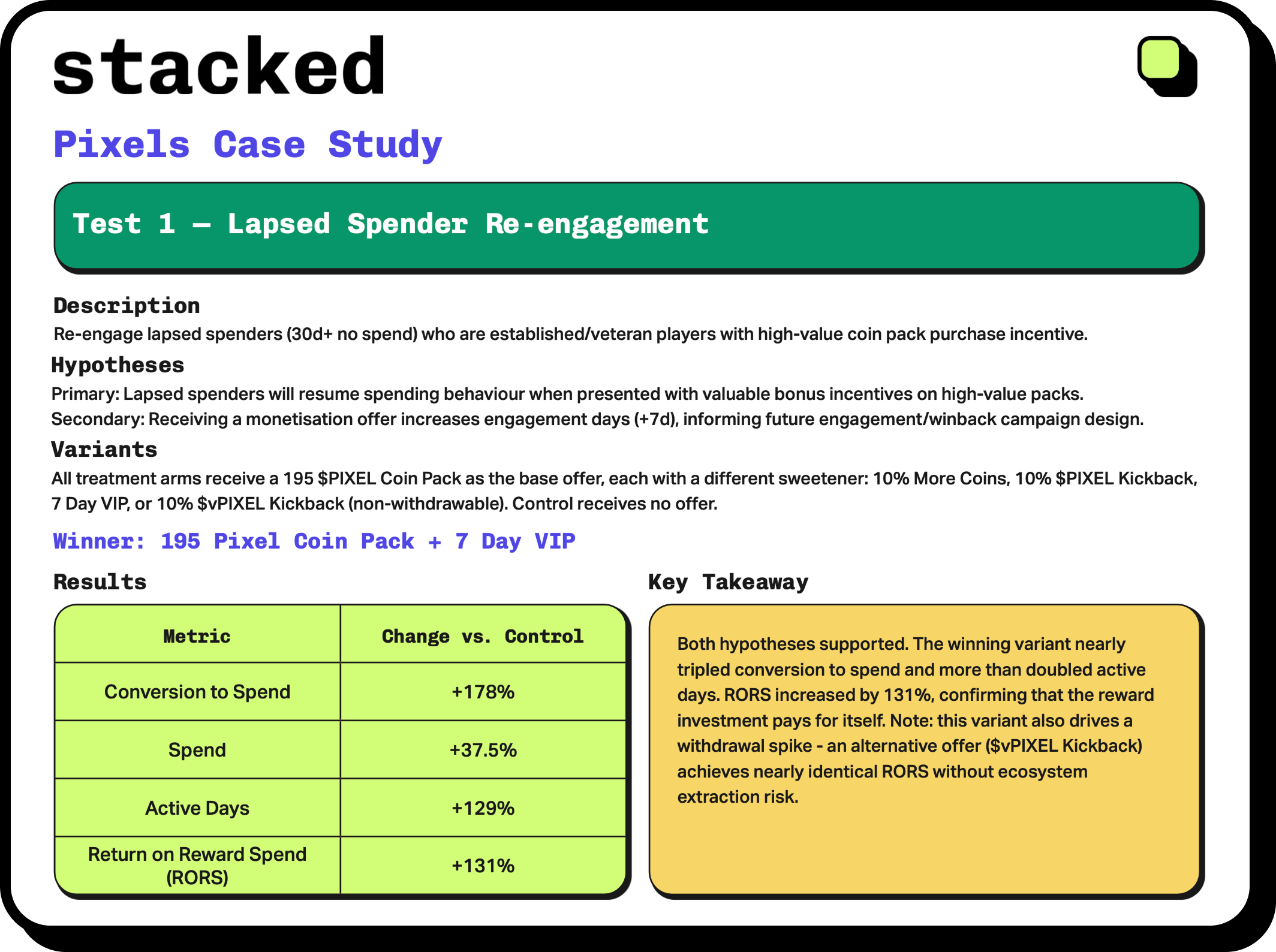
Also, one thing that stands out is that this system is already working. It’s not just an idea on paper. The Pixels ecosystem has processed millions of rewards and generated real revenue using these mechanics.
That kind of real-world validation is rare in Web3 gaming.
In my opinion, the real potential of $Pixel lies in its transition: From a single-game token → to an ecosystem-level currency
If the Stacked ecosystem continues to grow and more developers adopt it, $Pixel could become a key part of a much larger gaming infrastructure.
And that’s exactly the kind of long-term narrative that many crypto projects are missing today.
Definitely a project worth watching closely.
#pixel $PIXEL