

I’ve been spending more time inside @Pixels for the past few days, not just playing—but actually watching how the economy behaves. I even tried a small position in PIXEL, nothing big, just enough to feel the flow. And honestly, the more I observed, the more one idea kept coming back: everything here depends on balance.
At first, I used to think game economies were simple—earn, spend, repeat. But Pixels made me realize it’s really about “faucets and sinks.” Rewards, crops, and tasks bring value in. Upgrades, crafting, and fees take it out. Sounds basic, but getting that balance right is where most projects fail.
What I like about Pixels is that the system actually feels intentional. You can see where $PIXEL enters through gameplay and where it leaves through upgrades and burns. It’s not random. That alone puts it ahead of many Web3 games I’ve tried where rewards just flood in with no real control.
That said, I did notice something during my own testing. When activity was high, earning felt smooth. But during quieter periods, things slowed down a bit. Not in a broken way—just enough to make me think the system is still adjusting to player flow. And that’s normal. No live economy gets this perfect early on.
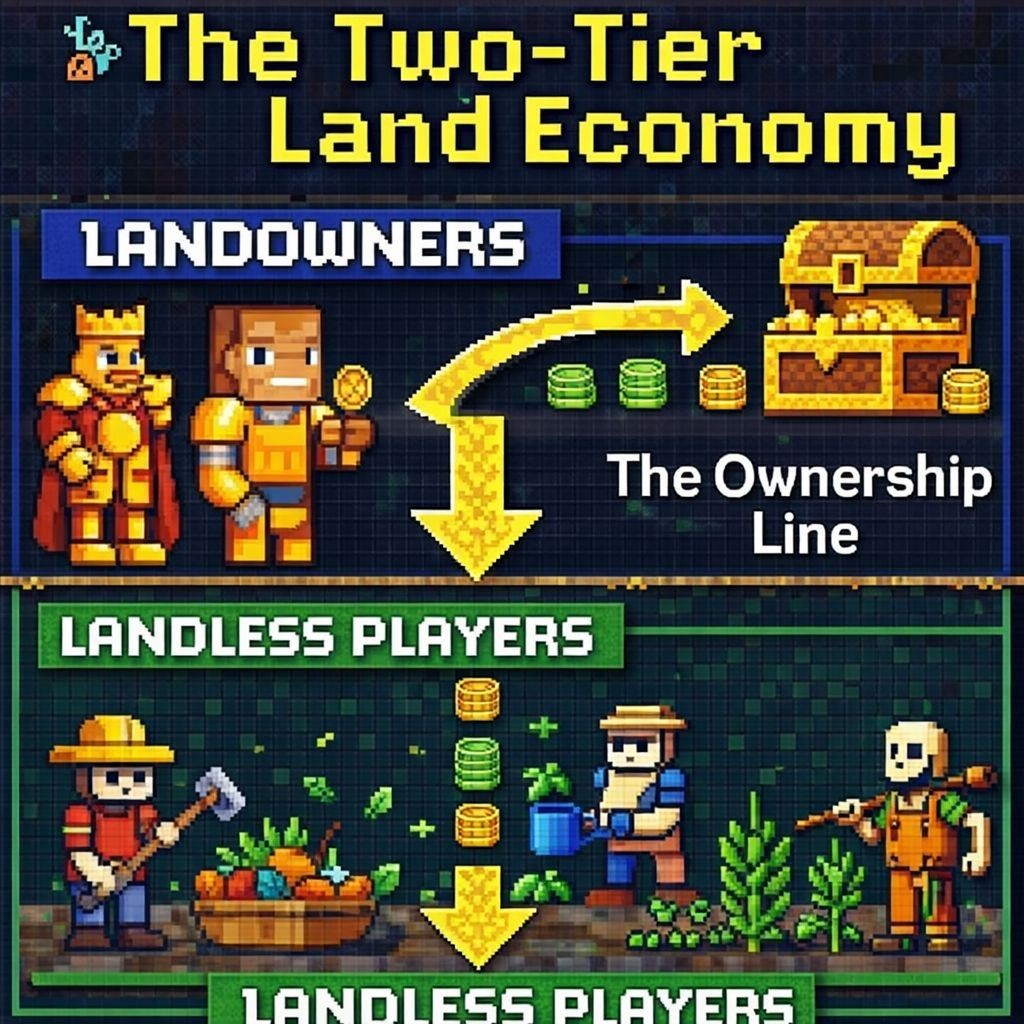
The land system adds another layer I find interesting. I tried farming on public land, and you can feel how value gets shared. It’s not necessarily a bad thing—it actually creates structure—but your experience does change depending on whether you own land or not.
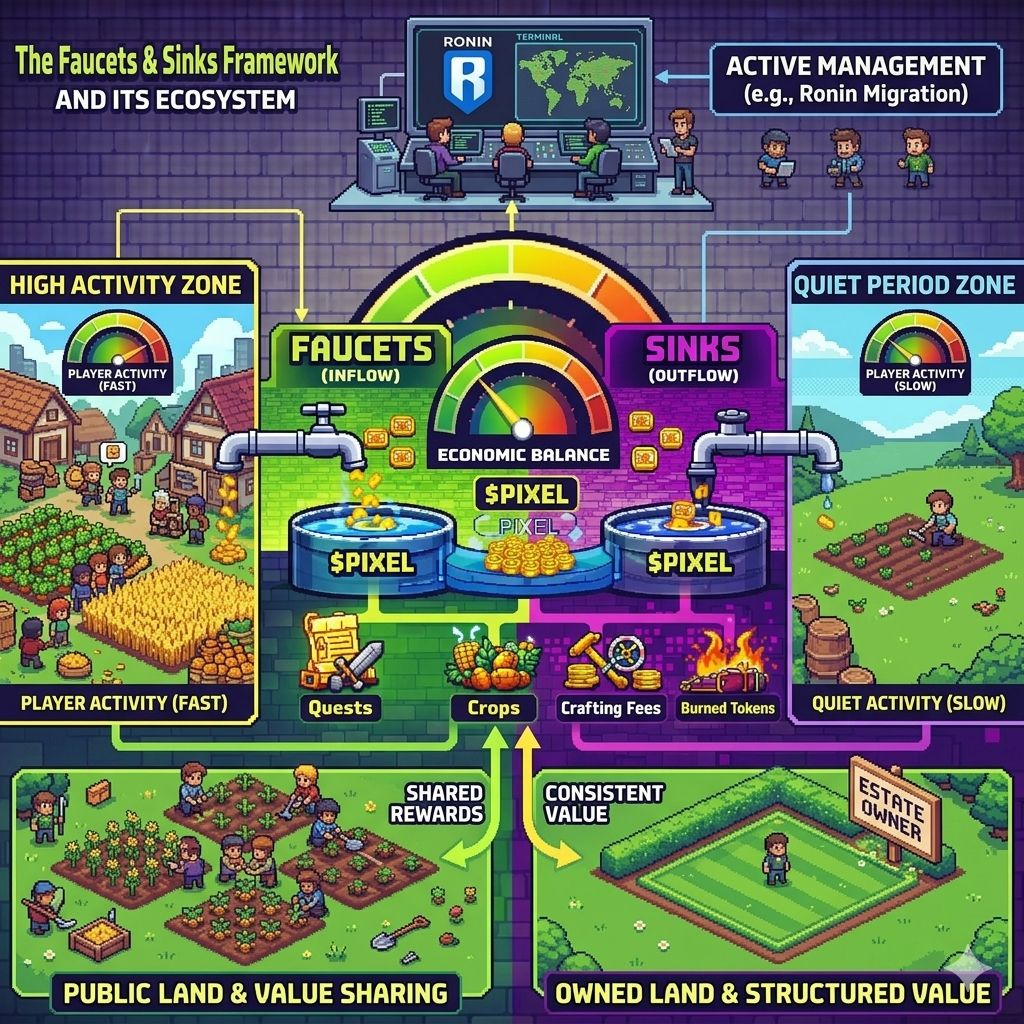
What keeps me optimistic is this: the team seems aware of these dynamics. The move to Ronin, the tweaks over time—it shows they’re willing to adjust, not just set and forget.
At the end of the day, Pixels isn’t trying to fake sustainability. It’s trying to manage it. And in this space, that effort alone makes it stand out.