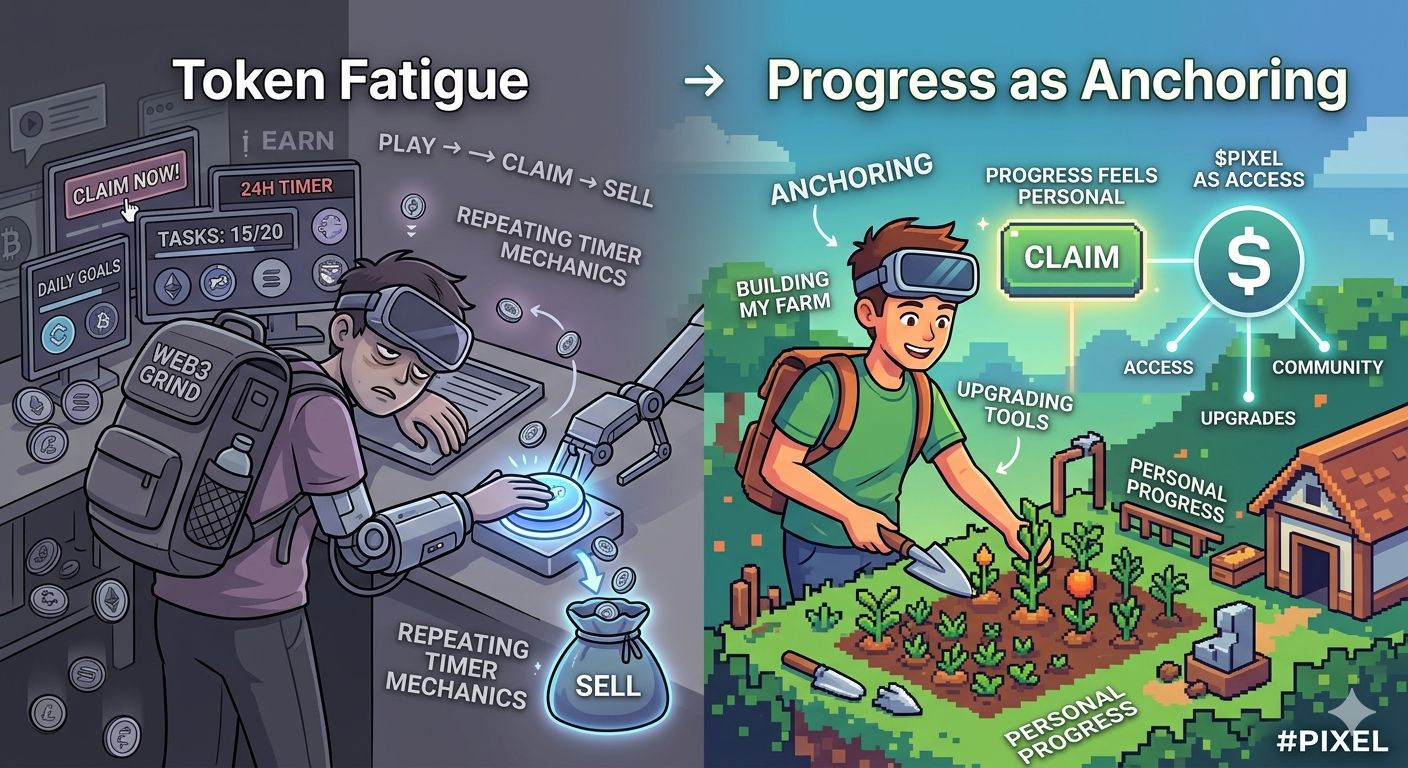

There’s a quiet moment in certain games where nothing obvious changes no new graphics, no dramatic mechanics yet the experience feels fundamentally different. You don’t notice it immediately. In fact, at first, it still feels like play. You move, act, collect, build. The loop remains intact.
But something underneath begins to shift.
Early on, interaction is instinctive. You respond to what’s in front of you. Progress feels natural because the game rewards motion—doing more leads to gaining more. Decisions are quick, almost subconscious. There’s little hesitation because the cost of being wrong is low, sometimes invisible.
Then complexity deepens.
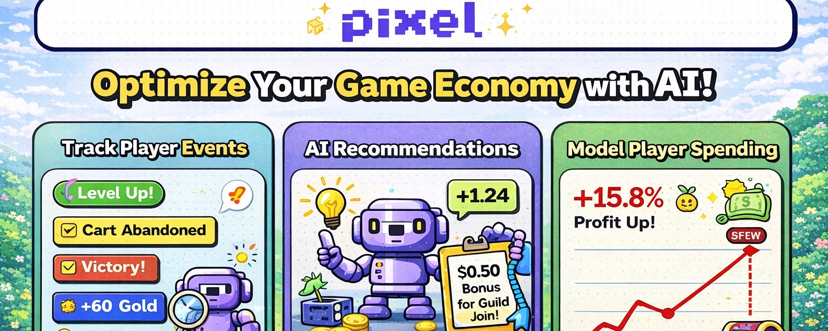
Not through difficulty spikes, but through consequence. Systems begin to layer in ways that aren’t immediately restrictive, yet gradually reshape behavior. Resources are no longer just tools they become variables. Time isn’t just spent it’s allocated. Actions aren’t simply choices they’re trade offs.
And that’s when hesitation appears.
You pause before acting. Not because you’re stuck, but because you’re thinking. Evaluating. Considering outcomes that don’t exist on the surface. The question changes from “What can I do?” to “What should I do?”
That shift is subtle, but powerful.
It marks the transition from interaction to management.
What emerges isn’t less engagement, but a different kind. The energy moves inward. Instead of reacting to the game, you begin interpreting it. Patterns matter. Efficiency matters. Even inaction becomes a decision, sometimes the most optimal one.
Interestingly, this transformation isn’t forced. There’s no explicit instruction telling you to optimize. Yet the system quietly rewards those who do. Over time, players who recognize this begin to behave differently—not because they have to, but because they’ve learned how value flows within the environment.
This creates a divide in experience.
Newer players still operate in a space of exploration and immediacy. For them, the game is alive with possibility. Actions are fluid, curiosity-driven. Meanwhile, experienced players occupy a more calculated space. They see layers others don’t. They navigate not just the world, but the underlying logic.
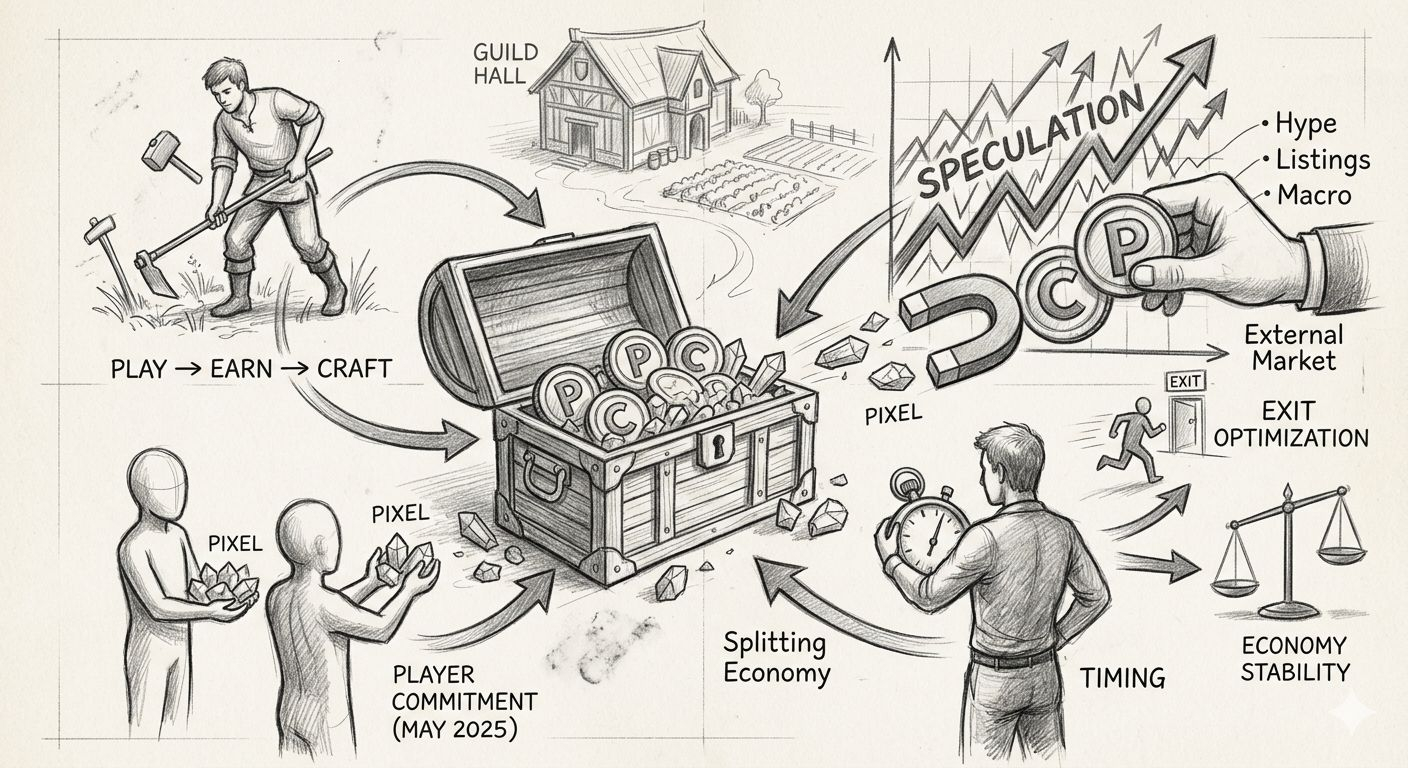
Two realities coexist.
One is about playing. The other is about managing.
Neither is inherently better. They simply represent different stages of understanding.
What’s fascinating is how naturally this evolution occurs. The system doesn’t remove fun—it redefines it. Instead of excitement coming from constant action, it begins to emerge from making the right decisions. From seeing inefficiencies others miss. From shaping outcomes over time rather than chasing them in the moment.
In that sense, the experience starts to resemble something beyond traditional gameplay.
It mirrors real-world systems.
Not in complexity alone, but in mindset. The same way managing finances or resources in life shifts your thinking from spending freely to optimizing carefully, the game introduces a similar awareness. You begin to track, compare, and anticipate. You stop wasting—not because you’re told to, but because you understand the cost.
And once you see that layer, you can’t unsee it.
That’s the real turning point.
Because at that stage, the game is no longer just something you play—it’s something you navigate. A system you learn. An environment where value is created, preserved, or lost depending on how you engage with it.
So the question isn’t whether it’s still a game.
It’s whether the definition of “game” has expanded.
Perhaps what we’re witnessing isn’t a loss of play, but its evolution into something quieter, deeper, and more reflective. A space where fun isn’t only found in action, but in understanding.
And maybe that’s the point where players don’t just play anymore.
They think