
 Web3 gaming introduced a powerful promise — giving players real ownership and rewards for their time. At first, this idea created massive excitement, bringing in users from both gaming and crypto communities. But over time, the reality exposed a major flaw: most reward systems were not built to last.
Instead of focusing on long-term balance, many projects prioritized rapid growth. Rewards were distributed widely without proper control, attracting not only genuine players but also bots and exploiters. As farming increased, economies became inflated, and the value of rewards dropped. Eventually, the same users who joined for opportunity began to lose interest.
This repeating cycle made it clear that Web3 gaming needed a different approach.
That’s where @Pixels stands out.
Rather than simply offering rewards, the ecosystem is designed around how rewards should work. This shift may seem subtle, but it changes everything. Instead of rewarding every action equally, the system focuses on identifying meaningful engagement and reinforcing it.
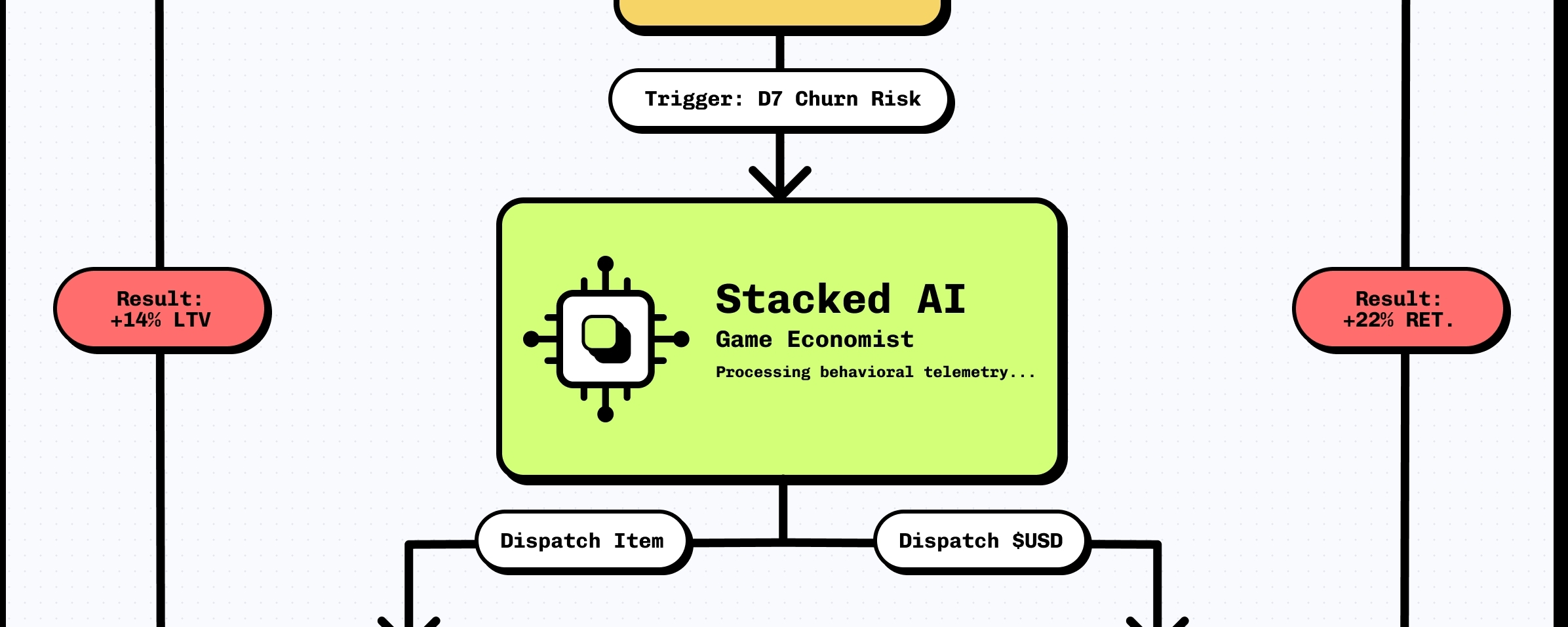
At the center of this design is a reward engine known as Stacked.
Stacked is not just a feature — it’s a system that allows developers to manage rewards dynamically. It looks at player behavior, activity patterns, and engagement levels to determine how incentives should be distributed. This makes rewards more targeted and reduces waste within the system.
The result is a more efficient structure.
Instead of encouraging repetitive or low-value actions, the system supports behaviors that actually contribute to long-term engagement. Players who actively participate and stay involved are more likely to benefit, while automated or exploitative activity becomes less effective.
This is an important step toward solving one of the biggest issues in Web3 gaming: sustainability.
Another key element is the use of data.
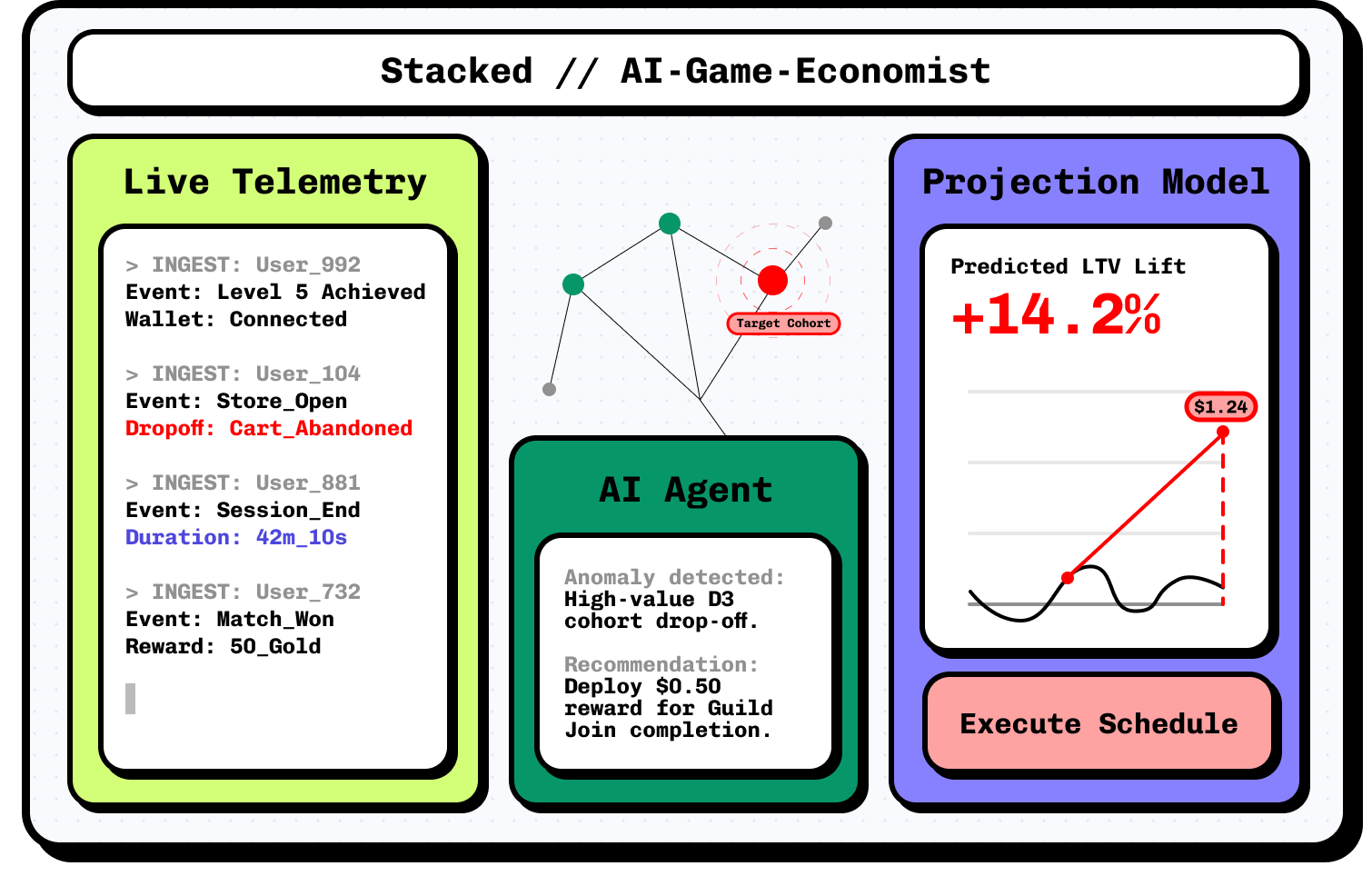
Modern games generate a huge amount of information about how players interact with them. However, most systems fail to use this data in a meaningful way. Stacked changes that by turning behavioral data into actionable decisions.
For example, it can identify when players are likely to stop playing, what keeps them engaged over time, and which incentives are most effective. Developers can then adjust their strategies based on real insights instead of guesswork.
This creates a feedback loop where the system continuously improves.
As this ecosystem grows, the role of $PIXEL becomes more significant.
Initially, it functioned as a core token within a single game. But now, it is gradually expanding into a broader reward layer that can operate across multiple experiences. This shift increases its relevance and opens up new possibilities for how it can be used.
When a token moves beyond a single environment, it gains flexibility.
It can support different types of interactions, connect multiple games, and create a shared economic layer. This not only benefits players but also provides developers with a more reliable system for managing rewards.
Another interesting aspect is how value flows within this model.
Traditionally, gaming companies spend large amounts on advertising to attract users. While this approach can bring short-term growth, it often does not create lasting engagement. Much of the value ends up going to external platforms rather than the players themselves.
With a system like Stacked, there is an opportunity to change that.
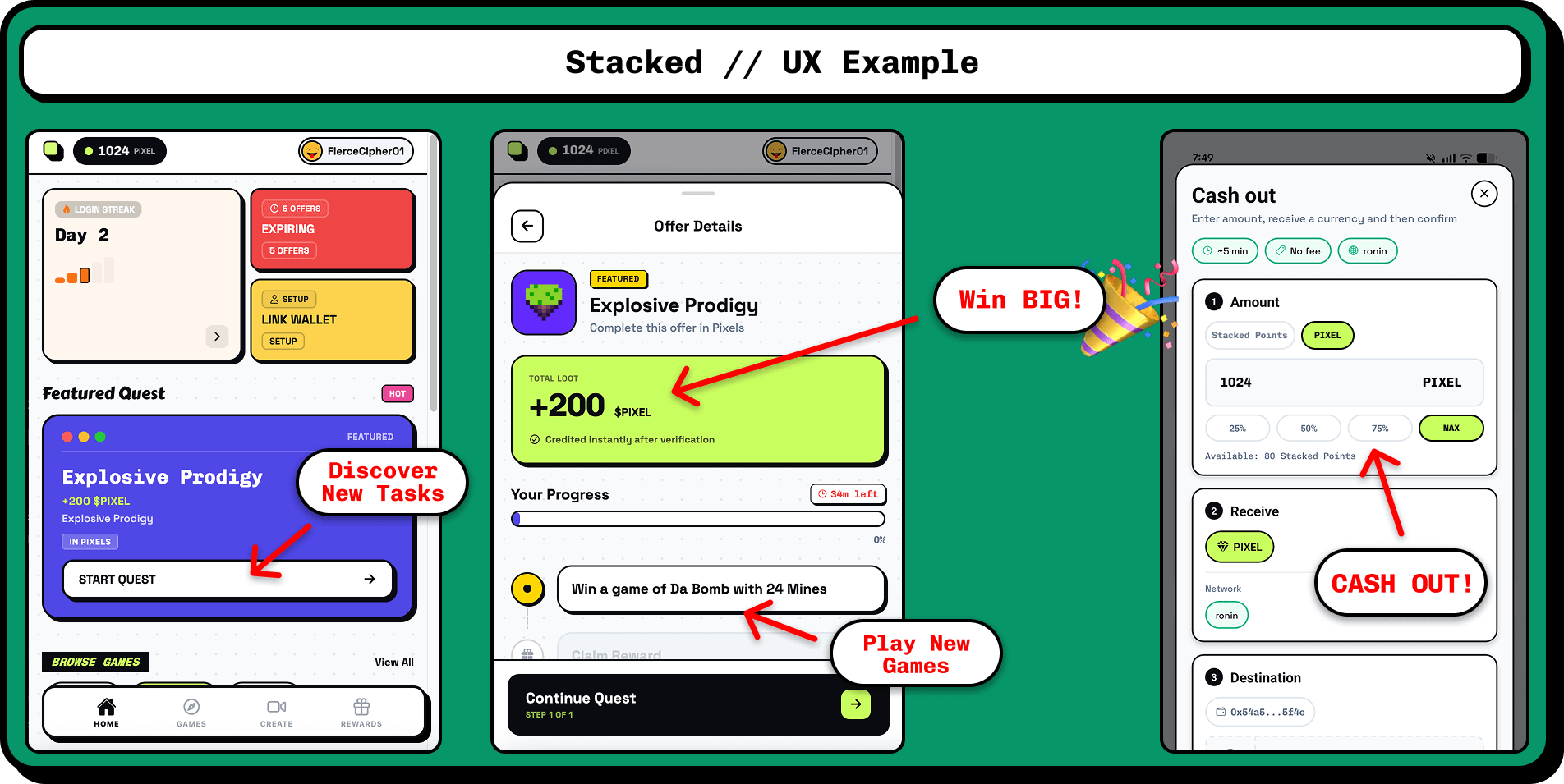
Instead of focusing only on acquisition, developers can reward players directly for meaningful participation. This creates a more balanced relationship where users are not just consumers but active contributors to the ecosystem.
In this context, $PIXEL becomes part of a loop where rewards are tied to real activity.
This strengthens its role and aligns it more closely with actual user engagement rather than speculation.
Another factor that makes this approach more credible is real-world experience.
The ecosystem behind @Pixels has already been tested in live conditions. It has processed large-scale reward distributions and adapted based on actual user behavior. This kind of experience is difficult to replicate and provides a strong foundation for future growth.
Building a sustainable system requires more than just good design. It requires continuous adjustment, learning from mistakes, and improving over time. The fact that this ecosystem has already gone through that process gives it a clear advantage.
Looking ahead, this model represents a broader shift in Web3 gaming.
Instead of focusing on individual games, the attention is moving toward systems that can support multiple experiences. The value is no longer just in the game itself, but in the infrastructure that connects them.
This is where $Pixel could play a long-term role.
By being part of a system that prioritizes sustainability, intelligent rewards, and real engagement, it becomes more than just a token. It becomes a component of a larger structure designed to support the next generation of gaming economies.
The future of Web3 gaming will depend on systems that can balance growth with stability.
If this approach continues to develop, @Pixels may not only improve its own ecosystem but also influence how reward systems are built across the industry.