

There’s a pattern in blockchain gaming that’s become almost predictable. A project launches with energy, promises a new kind of digital economy, and quickly gains attention. Early users rush in, activity spikes, and everything feels alive. But that momentum often isn’t rooted in the game itself it’s tied to opportunity. And when that opportunity fades, so does the crowd.
This cycle has quietly shaped how people interact with Web3 games. Instead of asking, “Is this fun?” players often ask, “Is this worth my time financially?” That shift changes everything. It turns worlds into systems, and systems into strategies. The result is something that looks active on the surface but lacks depth underneath.
What’s becoming clearer now is that this model has limits.
A game can’t rely forever on incentives to maintain interest. Tokens can attract attention, but they don’t build attachment. Once rewards become the primary reason to engage, the experience starts to feel transactional. Players log in with a goal, extract what they can, and leave. There’s no sense of belonging in that loop only efficiency.
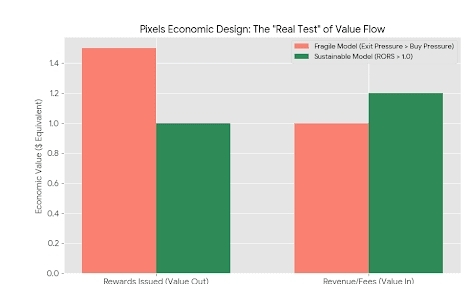
The projects that stand out today are the ones starting to move away from that pattern.
Instead of asking how to maximize engagement through rewards, they’re asking how to make players want to return even when incentives aren’t the main draw. That’s a much harder challenge. It requires designing for emotion, habit, and connection — things that can’t be easily quantified or engineered through token mechanics.
This is where the idea of “place” becomes important.
A successful game world isn’t just a collection of features. It has rhythm. It has familiarity. Players begin to recognize it, settle into it, and build routines around it. Over time, that creates something more valuable than short-term activity: it creates presence. People don’t just visit they stay.
And staying is what most blockchain games have struggled to achieve.

Part of the issue is how success has been measured. High user numbers and strong transaction volume can look impressive, but they don’t always reflect genuine interest. A smaller, consistent community often says more about a game’s health than a large, fluctuating one. Retention matters more than spikes. Consistency matters more than bursts.
To reach that point, the experience itself has to lead.
Gameplay needs to feel natural, not like a layer wrapped around an economy. Social interaction needs to be meaningful, not just functional. Progression should feel rewarding in a personal sense, not only in a financial one. These elements are what transform a system into something people care about.
But there’s still tension in the space.
Blockchain games exist in an environment where speculation is always close by. Even well-designed systems can drift toward optimization if incentives become too dominant. When that happens, behavior shifts. Players stop exploring and start calculating. The world becomes less about experience and more about output.
Avoiding that outcome requires restraint.
It means not over-relying on rewards to drive engagement. It means accepting slower growth in exchange for stronger foundations. And it means understanding that long-term success doesn’t come from constant excitement it comes from stability.
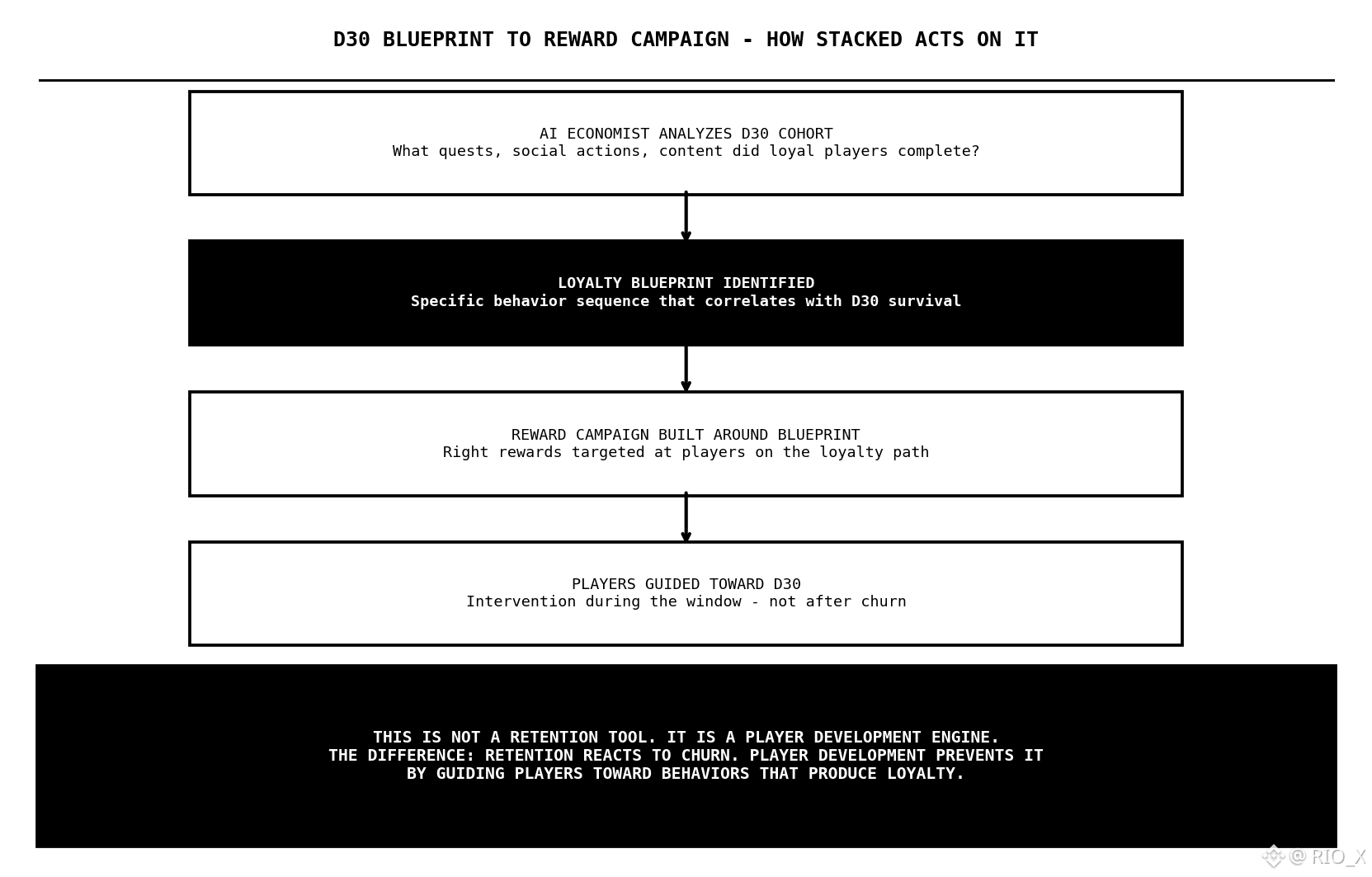
The future of Web3 gaming likely depends on this shift.
Not toward bigger economies or more complex token systems, but toward experiences that feel worth returning to on their own. Games that people log into because they enjoy being there, not because they feel compelled to maximize something before it disappears.
That kind of engagement is quieter, but it’s also more durable.
And in a space that has been defined by cycles of rise and decline, durability might be the most valuable thing a game can build.